People in Spain and Portugal barely had time to recover from last week’s deadly floods when another storm arrived.
Over the weekend, Storm Marta swept across the Iberian Peninsula, bringing heavy rain and strong winds. Two people lost their lives. Just days earlier, Storm Kristin had killed at least five people after hitting on 28 January. Storm Leonardo also claimed one life last Wednesday. Together, the storms have left behind flooded streets, damaged homes, and shaken communities.
And the rain is not over yet.
Forecasters say more wet weather is on the way this week for Spain, Portugal, and parts of France. North-west Portugal could see more than 100mm of rain in just the first half of the week. Later on, the heaviest rain is expected to move toward southern Italy and parts of Greece and Turkey.
While southern Europe braces for more rain, southern Africa is also preparing for severe weather.
Parts of South Africa and Lesotho are likely to receive high rainfall totals in the coming days. By Saturday, provinces such as Free State, KwaZulu-Natal, and Eastern Cape could see between 80mm and 100mm of rain. In some areas, strong thunderstorms may bring as much as 50mm in a single day.
The South African Weather Service has already issued warnings for severe thunderstorms. There is a risk of intense lightning, strong winds, and hail. Flooding and mudslides are possible, and damage to roads and buildings could follow. More than 10 million people may be affected if the storms become severe.
At the same time, East Asia has been dealing with a very different kind of extreme weather.
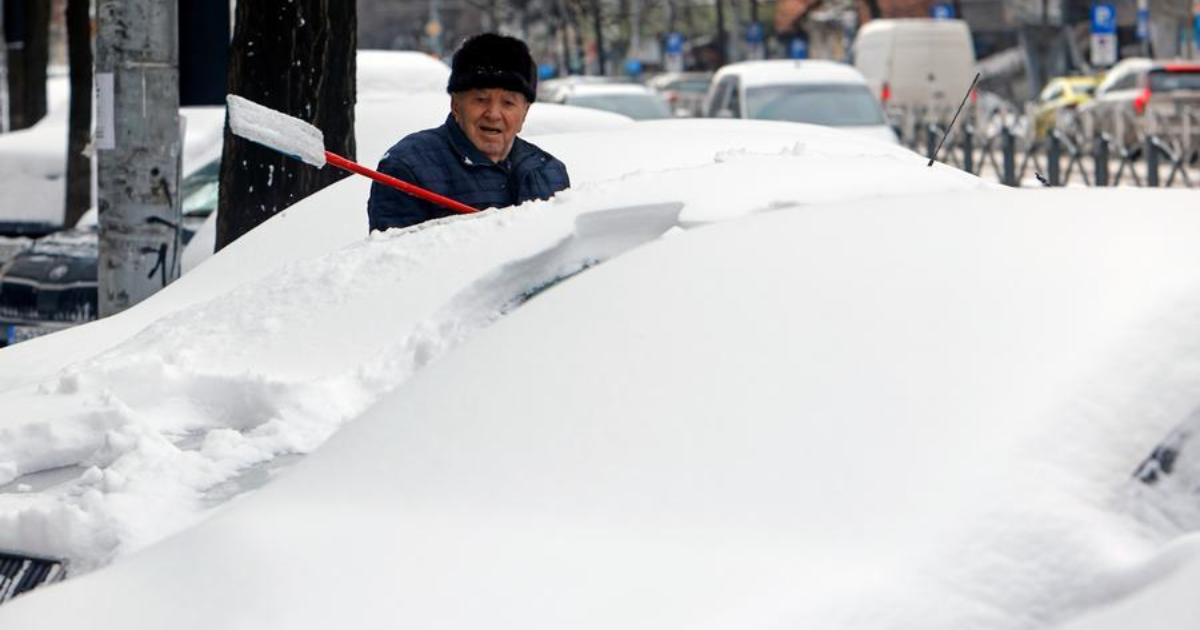
Japan and Korea experienced a wave of unusually cold temperatures last week. In Tokyo, temperatures on Sunday were nearly 10 degrees Celsius below normal. The city struggled to get above zero, and snow fell in some areas.
Although Tokyo sits at a similar latitude to parts of northern Africa and Athens, snowfall is not rare. It usually happens once or twice a year. Cold air flows down from eastern Asia, while moisture comes in from the Sea of Japan and the Philippine Sea. When these systems meet, snow can fall.
Western Japan saw the heaviest snowfall this time. In the Hokuriku region, more than 50 centimetres of snow fell in just 24 hours.
The good news for Japan is that temperatures are expected to rise quickly later this week. By the weekend, Tokyo could see temperatures in the mid to high teens.
From powerful storms in Europe and Africa to deep cold in Asia, the past week has shown how quickly weather conditions can change, and how communities around the world continue to face nature’s extremes.