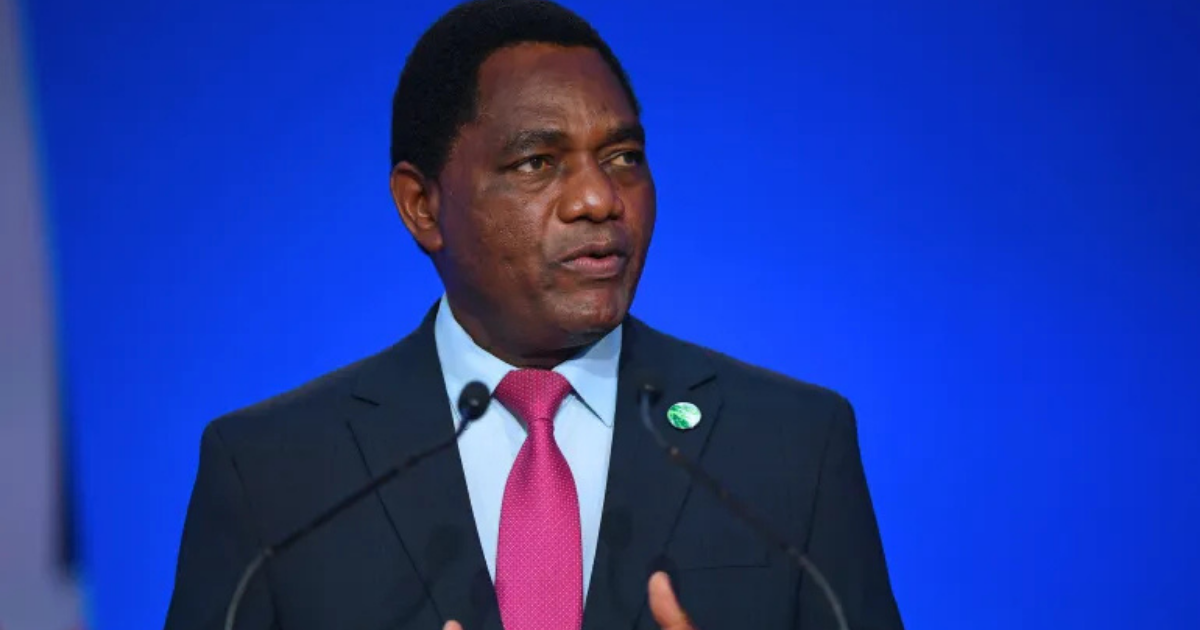
Zambia President Hakainde Hichilema has just been re-elected for a second five-year term by a convincing 60 per cent margin. His closest rival Brian Mundubile got 38%, according to the official results announced by Electoral Commission of Zambia.
The State House of Zambia issued a statement confirming Hichilema’s thank you. The 64-year-old president expressed his high praise of democratic process and strong encouragement for differences to be resolved at the ballot box. His United Party for National Development (UPND) supporters promptly took to the streets of Lusaka to celebrate.
But the political situation is still extremely volatile. Mundubile, 55, dismissed the election results as a ploy and threatened to seek a court challenge citing documented evidence of irregularities in the voting.
Since then, the leader of the opposition has been on the run. His NRPUP party confirmed he is currently in a safe place with a United Nations agency in Lusaka, as he faces dire threats to his life.
Then the political turmoil started after a raid on Mundubile’s house. He alleged armed security men broke into the premises, fired shots and that the former minister Mutotwe Kafwaya was shot and is missing. But the government authorities refuted those allegations, accusing several top opposition leaders of plotting an insurrection.
Mulambo Haimbe, who is Hichilema’s election agent, has refuted allegations of a violent raid. He said the opposition members arrested for allegedly committing crimes would be charged, and that the NRPUP should directly put their electoral complaints before the judiciary.
The voting day was generally peaceful, though the region and international observers noted the turbulence within the country. Southern African Development Community (SADC) monitors called on all stakeholders to remain calm but noted that there were unverified reports of intimidation, kidnapping and property destruction in five provinces.
The voting process was heavily challenged as the vote count was halted for a short time. The commission had cited incidents of violence towards polling staffs and the stealing of marked ballot papers, but such incidents were later sorted out and the suspension was removed later in the day.
Observers highlighted other concerns about fairness of the overall campaign period. A European Union monitoring team reported that electoral reforms that were delayed, media restrictions, and other issues that stifled opposition may have helped explain the uneven nature of the election.