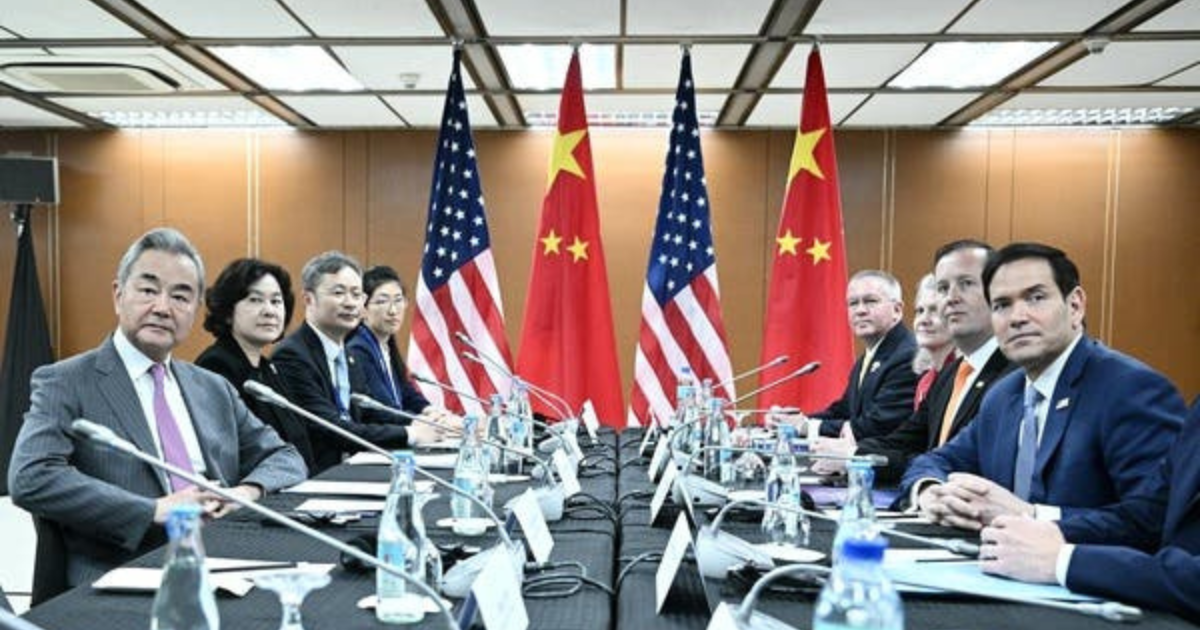
US Secretary of State Marco Rubio will arrive in Manila on July 19 and through to July 23 for various ASEAN-sponsored ministerial meetings. In this critical diplomatic visit, he will also meet directly with Philippine President Ferdinand Marcos Jr. while the United States is keen to deepen its ties with the Philippines amid heightened maritime and global energy worries.
This year’s chairman of the bloc, the Philippines, is hosting some high-level events. Rubio will also be participating in the ASEAN Post-Ministerial Conference, the East Asia Summit Foreign Ministers’ Meeting and the ASEAN Regional Forum Foreign Ministers’ Meeting, which are all being held in conjunction with the Philippine Department of Foreign Affairs.
Deepening Indo-Pacific Partnerships and Regional Security
Pigott said the visit will demonstrate the tangible fruits of the US-ASEAN partnership, as well as further establish the comprehensive partnership between the US and the Philippines.
One of the main issues in the talks will be the continued disputes in the West Philippine Sea. The meetings come just a few months after the 10th anniversary of a landmark arbitral decision in 2016 that struck down the Chinese government’s broad claims to the South China Sea.
The Philippines, along with 13 other partner countries, including the United States and Japan, on 12 July issued joint statement affirming the ruling as binding. The Chinese response was swift: it was “a distortion of facts,” it attempted to “vilify Beijing.
In addition to conflicts over the sea, the world’s energy security will play a key role in the talks. Iran’s renewed conflict has raised considerable fears of shipping disruption through the Strait of Hormuz, the world’s main oil shipping route.
The International Energy Agency estimates that some 80% of hydrocarbons transiting through this strategic waterway are meant for markets in Asia. President Marcos mentioned during the May summit in Cebu that the leaders of the region are already brainstorming on the establishment of a regional fuel reserve to shield member states from international fuel shortages.