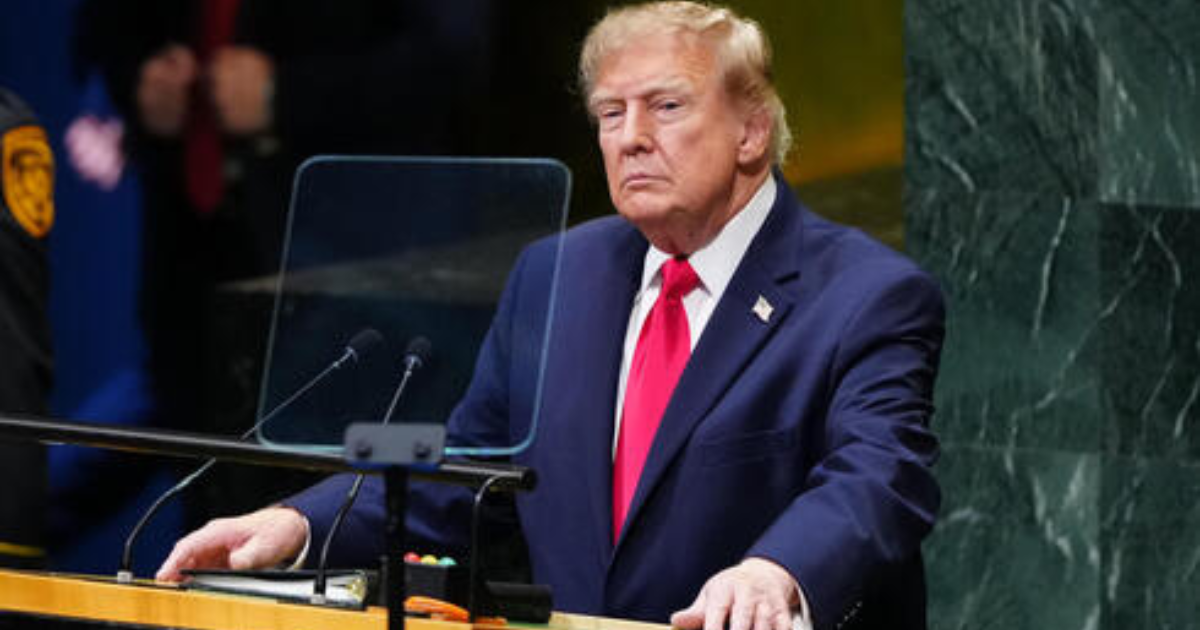
Continuing the conflict with Iran is going to be an “unlikely war to finish before November midterm elections,” U.S. President Donald Trump said Wednesday. The president, prior to answering the call of a political convention in Texas, said that the war will come to an end after the elections, and Iranian leadership will not be able to continue the war for long.
In his role as spokesman for The White House, Trump admitted that there was plenty of angst in this country about the high price of gas. But he said the strain on the economy in the short term is justified in order to keep Iran from getting weapons of mass destruction. Denial of these allegations has been Tehran’s position throughout, which has always claimed its nuclear programme is peaceful. Thirteen months into the conflict, the President’s popularity is on the decline and U.S. Congress is poised to be politically deadlocked in November’s elections.
EIA is closely watching the prolonged fighting in the energy markets, which have been severely disrupted. Oil prices for West Texas intermediate were recently above $100 a barrel for the first time since July. Production has been forced to cease on Iranian’s oil strikes in the Gulf countries, and key export lines through the Strait of Hormuz have been gravely affected. The U.S. recently imposed a naval blockade on Iranian ports and launched special attacks on Iranian tankers in response to strikes on its warships.
Military situation has become more tense on several fronts. The U.S. Department of Defense is confirming Tuesday the destruction of five oil tankers belonging to the Islamic Revolutionary Guard Corps (IRGC) of Iran by American forces in the Gulf of Oman and northern Gulf. In a counterattack Wednesday, the IRGC stated that its navy struck back at American warships in the Strait of Hormuz, damaging both destroyers and commercial tankers. But U.S. Central Command officials said they were not hit by any of their warships in the confrontation.
Additionally, the IRGC fired rounds of ballistic missiles at U.S. military maintenance bases and aircraft at Muwaffaq Salti Air Base in Jordan. At least 20 missiles were intercepted by the Jordanian armed forces, though no casualties were reported, but later, it was reported that some American fighter–jet aircraft sustained some degree of damage in the bombardment, including the F-15s and A-10 Thunderbolt.
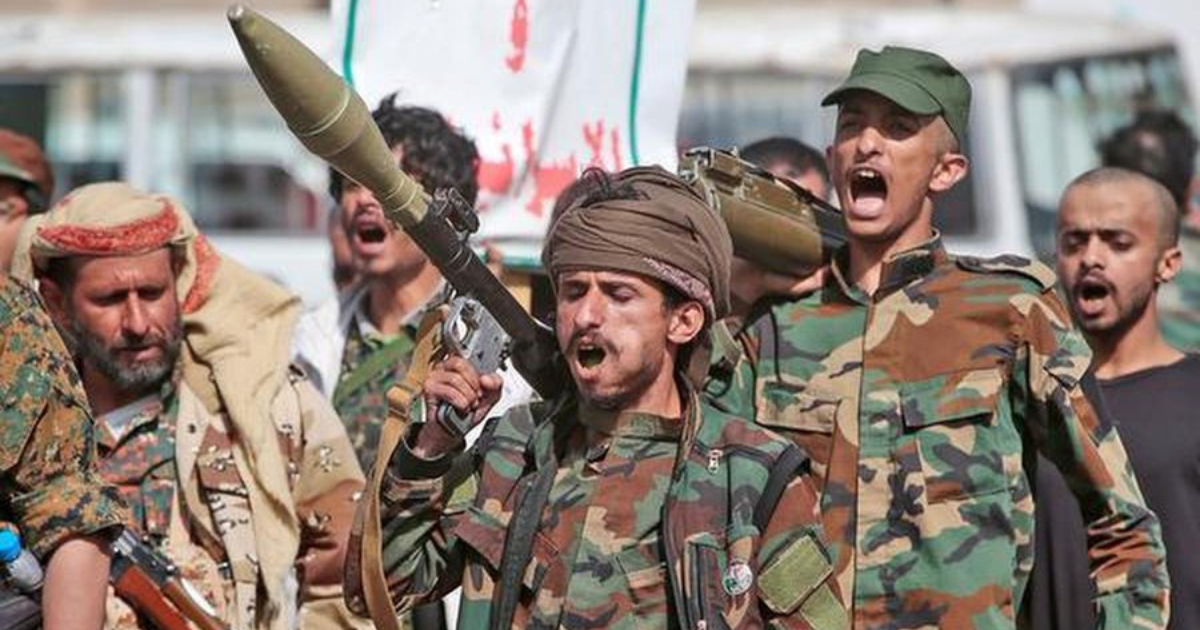
The regional violence is now a border affair as the Iran-backed Houthis have been making several waves of drone and missile attacks against southwestern Saudi Arabia from Yemen. The strikes – which set off fires in several Saudi oil facilities, including Khamis Mushait and Abha – were said by Houthis to be in direct response to recent Saudi airstrikes in western Yemen, and as such, signaling a complete failure of a four-year ceasefire that had been officially observed by the Houthis.