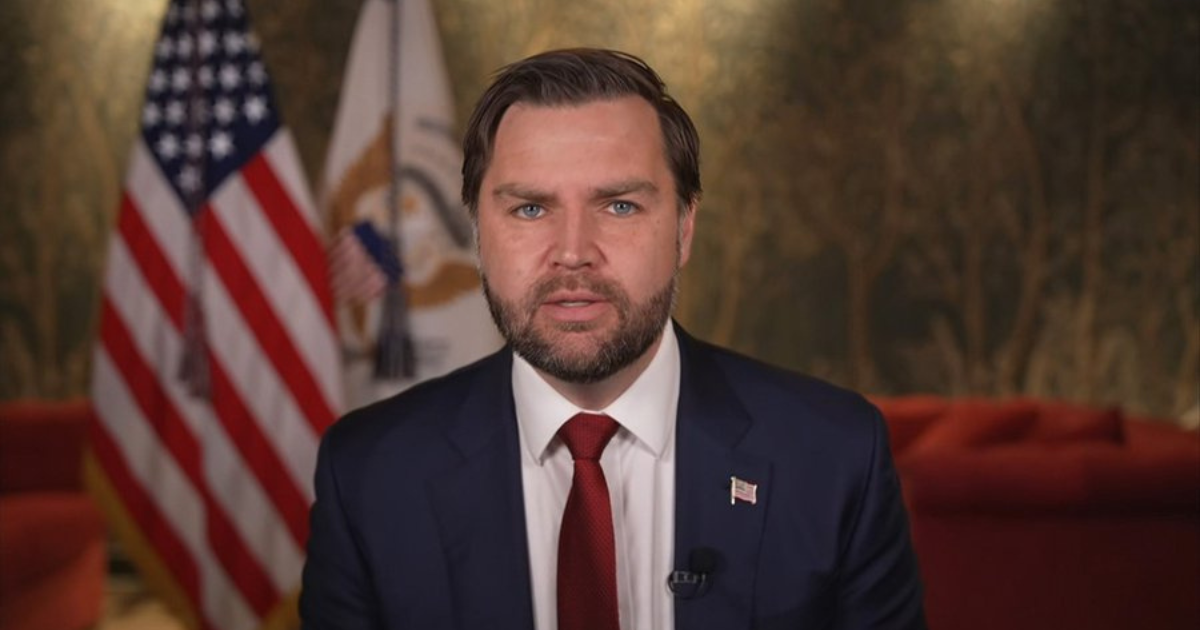
U.S. Vice President JD Vance said Iran has to pay attention to the U.S. demand and make “significant cuts” to its nuclear enrichment capability in order to end the seven-month conflict between the two countries. Speaking on behalf of the White House, Vance pointed out that any alternative to war must offer concrete steps toward curbing Iran’s ability to build nuclear weapons instead of just pledges to “draw down” its stockpile over time.
Vance stated that it was unnecessary to have 60% enriched fuel to use for peaceful civilian purposes. He made it clear that stopping the production of highly enriched uranium is a “fundamental threshold” for establishing Iran’s lack of nuclear weapons intentions, and the U.S. would “trade words for actions.
The present war has brought great dislocations to the world’s energy markets. The war, which has been reported to have cost $3bn a month, has also turned into an electoral headache for President Donald Trump and the Republican Party ahead of the November midterm elections.
Diplomats and officials from the U.S. Department of State and Iran have offered each other a couple of proposals to end the war and reopen the Strait of Hormuz, a vital global shipping chokepoint. But recently, President Trump has turned down Tehran’s latest proposal, saying military action might ramp up after midterms.
None of the discussions pertaining to the nuclear issue have been held, a senior Iranian official claimed. As per the U.S., it has indicated to Iran its readiness to talk about the nuances pertaining to the nuclear enrichment process. However, the Iranian regime views nuclear enrichment itself as a red line that cannot be crossed.
Diplomatic efforts are further hampered by the United States’ uncertainty over who has the final say in Tehran, Vance said. Washington is dealing with President Masoud Pezeshkian and Foreign Minister Abbas Araqchi, yet the extent of their real power is unclear to U.S. officials after they were hit by U.S.-Israeli strikes that killed Supreme Leader Ayatollah Ali Khamenei at the beginning of the conflict.
This is a claim made by Iran’s Foreign Ministry, which attributes the failure of the talks to “contradiction and mixed messages” from the U.S. government. Vance, meanwhile, has kept in touch with field commanders from the U.S. Department of Defense. He brushed aside concerns about the chronic problem of shortages of critical munitions and said Iranian troops would strike commercial ships from time to time but will not be able to interfere with energy exports through the Strait of Hormuz to any great extent.
Meanwhile, Vance seems to be busy in national politics on the one hand, and trying to solve the international crisis on the other hand. Recently, he went to Alaska to support Republican Senator Dan Sullivan during his reelection campaign. In a recent interview with the Politico, Vance spoke about not thinking about the presidential run in 2028.