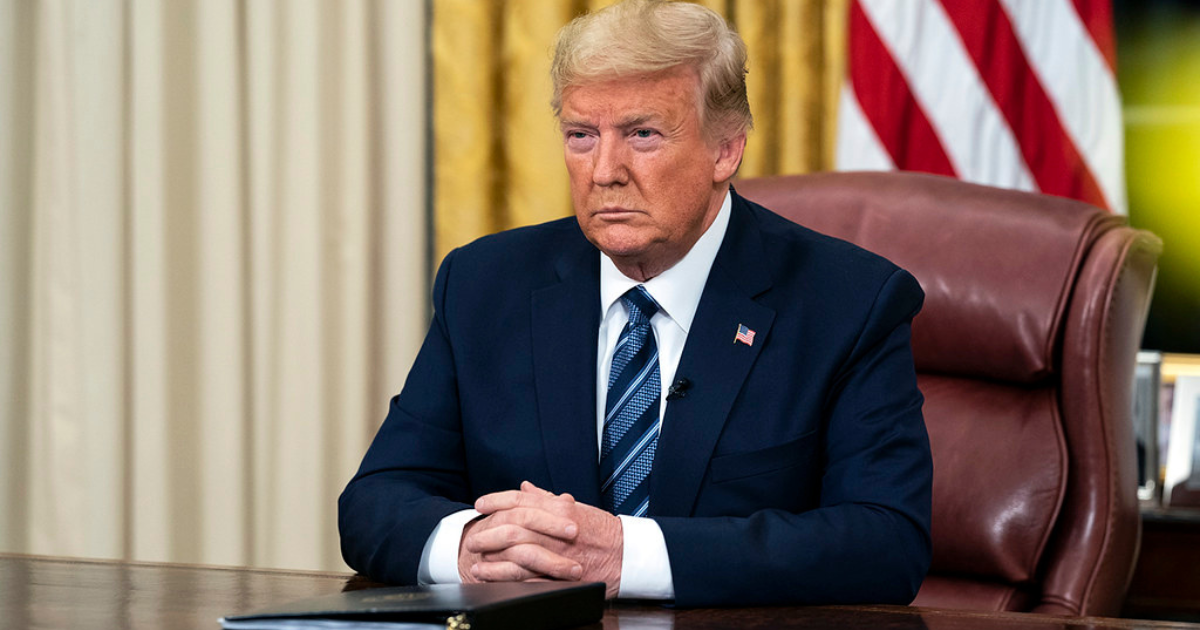
Lebanon and Israel have reached an agreement to maintain their existing ceasefire for three additional weeks. The agreement follows a high-level diplomatic meeting at the White House, hosted by U.S. President Donald Trump. The lecture welcomed Israeli Ambassador to Washington Yechiel Leiter and Lebanese Ambassador to the U.S. Nada Moawad.
President Trump declared that the United States will provide Lebanon protection against Hezbollah following the completion of his discussions. He expects to achieve a peace agreement this year which he plans to discuss with Israeli Prime Minister Benjamin Netanyahu and Lebanese President Joseph Aoun.
The U.S. Department of State brought together important American leaders with Vice President JD Vance and Secretary of State Marco Rubio who represented the department. The Lebanese delegation concentrated its efforts on achieving a ceasefire extension while planning to accomplish three objectives which included an Israeli military withdrawal and land border delineation and the return of detainees. Ambassador Moawad expressed gratitude to the President for his backing because he believed they could “make Lebanon great again.”
Israel focuses its resources on destroying Hezbollah. Ambassador Leiter stated that negotiations should focus on eliminating the Iran-aligned militant group instead of allowing Israel to leave the process early. Trump also pressured Lebanon to eliminate its anti-normalization laws which treat diplomatic relations with Israel as a criminal offense.
Persistent Border Violence and Regional Tensions
The situation remains unstable despite the diplomatic achievements that Washington has achieved. The ceasefire extension occurs after Lebanon experienced its most deadly day since the initial truce began on April 16. Deadly Israeli airstrikes on Wednesday resulted in multiple deaths including Lebanese journalist Amal Khalil.
The Israel Defense Forces reported ongoing conflicts between their troops and Hezbollah fighters who fired at Israeli aircraft and attacked soldiers in southern Lebanon. The Israeli military launched counterattacks against the group to destroy their facilities and eliminate three fighters.
The Ministry of Public Health in Lebanon reported that Israeli air and artillery strikes caused civilian injuries which included a child among multiple victims. Hezbollah which did not participate in the direct Oval Office negotiations demands that Israel must follow the ceasefire agreement while they strongly oppose any negotiations with Israel.
The conflict began again in March and it has caused extensive damage to the affected area. The Israeli military operation which began after Hezbollah’s attacks has resulted in almost 2500 deaths according to Lebanese officials. Israel has established a 5 to 10-kilometer buffer zone in southern Lebanon which it uses to protect its northern towns from continuous rocket attacks.