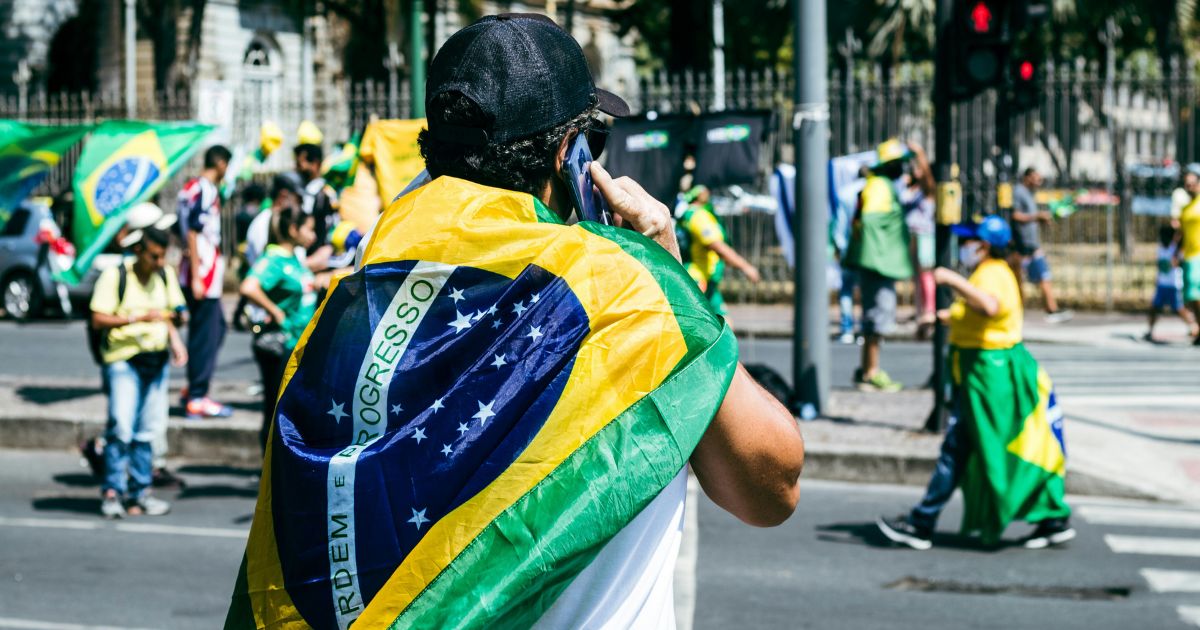
As campaigning stepped up for the presidential runoff between two more rightist candidates, thousands of people marched in the centre of Rio de Janeiro to voice objections to the political trajectory of the country and demand a change in leadership.
Drums, fireworks and chants against the Bolsonaro political movement and in favour of democratic values were part of the demonstration. Several young protesters expressed concerns about a possible shift in social policies, public education, health care programs and civil rights.
A few also noted the previous government’s management of the COVID-19 pandemic and their concern about the impact of the new government on minority communities and democratic institutions.
Concerns Over Social Spending
Another key topic of discussion at the protest was economic policy. Protesters raised concerns that the government’s plans to cut spending may impact federal universities, research programmes and subsidised health care programs.
Economic policy is also likely to be a major election topic in Brazil, where public indebtedness is high, and interest rates are high. Backers of budget reductions say that a smaller government and a tax-overhaul bill would make the economy more resilient, but opponents worry that the cuts would hurt needed public services.
Concerns Over Democracy
Some of the protesters also voiced concerns over plans for political amnesty and the management of cases concerning the nation’s former rulers.
Many protesters consider the election to be more than an economic vote. Its results could shape the country’s political trajectory and civil rights for years to come, they say.
Several pro-democracy protests will be held during the runoff campaign.
Campaign Enters a New Phase
As the presidential candidates gear up for the run-off election, they are refocusing their campaigns on consolidating political alliances, winning over undecided voters and boosting their social media engagement.
There are expectations that economic reforms, government spending, tax and social policies will continue to be campaign topics of interest, and both parties hope to rally supporters and entice voters who voted for other candidates in the first round.