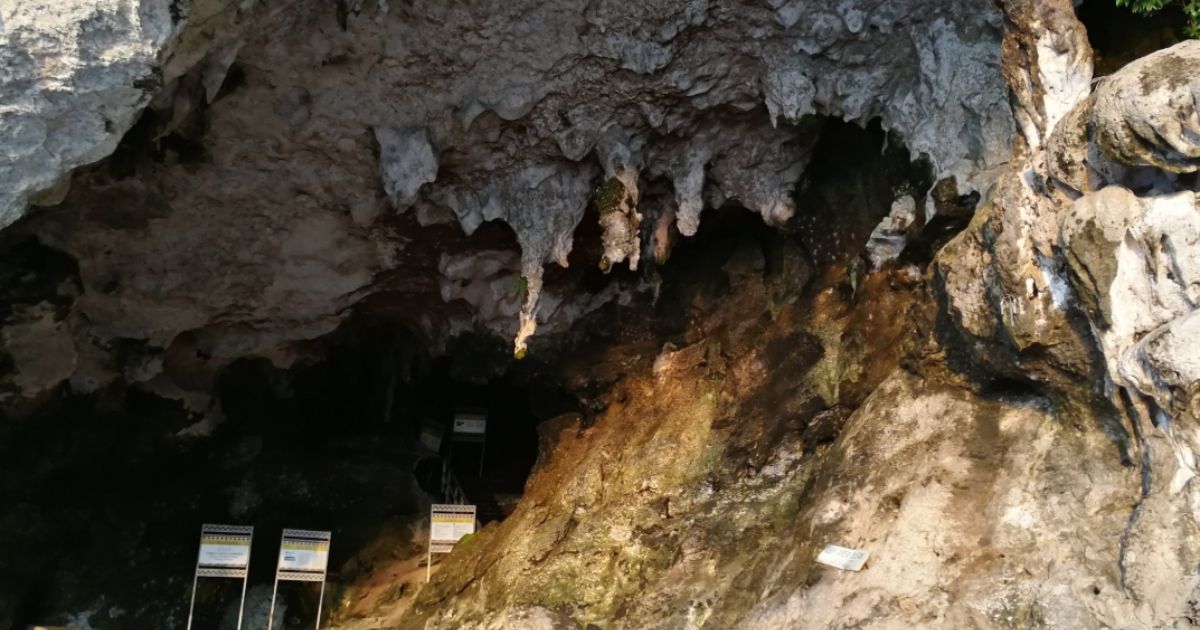
The eight-day scientific evaluation of the Tabon Cave Complex in Palawan has given a boost to the ongoing efforts to enhance cave management and to prepare for the site’s proposed inclusion in the UNESCO World Heritage List, the National Museum of the Philippines (NMP) said.
The assessment was made by the Department of Environment and Natural Resources (DENR)-Mimaropa Regional Cave Assessment Team and representatives from the Mines and Geosciences Bureau, Biodiversity Management Bureau, Palawan Council for Sustainable Development, Marinduque State University and the Archaeology, Geology and Palaeontology, Zoology, and Botany and National Herbarium divisions of the NMP, which was conducted from July 7 to 14.
The NMP team assessed and documented the present state of the caves that were part of the Tabon Caves Tour.
The assessment comprised identification, evaluation and recommended classification of the caves as a scientific basis for their proper management and use.
In addition, detailed mapping of the caves was conducted, and the documentation of speleothems, geological features and geohazards was carried out.
The team also opportunistically surveyed the flora and fauna within the caves and on access trails, providing ecological data to add to the archaeological and geological data.
The findings would form the basis for the recommendations to enhance current management guidelines and operational practices and ensure the protection and conservation of the cave complex in addition to responsible public access, the NMP said.
The museum is calling for the project to ensure the proposed inscription of the Tabon Cave and the entire Lipuun Point on the Unesco World Heritage List, it said.
While welcoming more visitors to this exceptional heritage site, the NMP remains committed not only to the conservation of its outstanding archaeological and cultural values, but also to the conservation of its ecological importance, which supports a variety of endemic flora and fauna and other important wildlife, the NMP said.
The museum also said that enhancing interagency cooperation and science-based conservation would help preserve the site’s natural and cultural heritage as well as support the sustainable management of the cultural landscape, which aligns with the United Nations Sustainable Development Goals, specifically SDG 11 (Sustainable Cities and Communities) and SDG 15 (Life on Land).