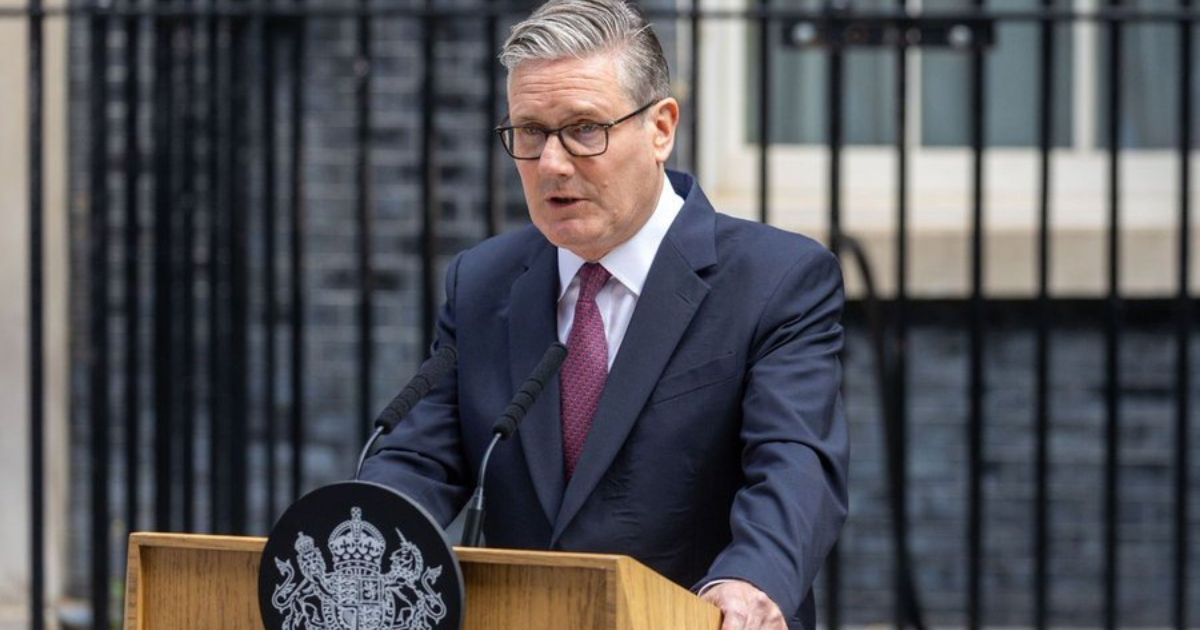
Prime Minister Keir Starmer is under heavy internal pressure in his own party to give a clear time-frame for his resignation from Downing Street. The internal struggle comes after Andy Burnham’s stunning success in the Makerfield by-election, and looks set to be a leadership challenge any day now.
Many more in Starmer’s cabinet and Labour party peers want him to give power to the former Greater Manchester mayor. It would avoid the “messy, prolonged” leadership battle the Labour Party is currently facing, they say, if they had been planned.
But the prime minister still shows defiant attitude. Starmer says that he will put up a fight to any challenge to his leadership and is “absolutely not” walking away from the position he was elected to fill.
A Tense Weekend and Calls for Reflection
Friends of Burnham have publicly pleaded with Starmer to have a deep discussion with himself, and pay attention to his ministers and MPs and family over the weekend. Both Burnham and potential challenger Wes Streeting’s campaign teams have declined to speak to media for the weekend as they apparently hope to give the prime minister room to reconsider.
Starmer was busy on the phone with ministers on cabinet-level on Friday, attempting to gauge how much support he still has. Both Transport Secretary Heidi Alexander and Foreign Secretary Yvette Cooper reportedly made separate remarks in private to him over the need to set a timetable for his departure. Chancellor Rachel Reeves, on the other hand, is believed to have provided the PM with her whole backing over a post-election phone call.
These are not completely new fractures, but rather ones that occur within the body. Last month’s underwhelming turnout at local elections had led to calls by senior politicians such as Energy Secretary Ed Miliband and Home Secretary Shabana Mahmood for Starmer to think about his exit strategy.
The prime minister’s future will be on the balance next Tuesday at a weekly cabinet meeting with his senior ministers.
When asked if he would resign, Starmer vehemently referred to his mandate. He reminded reporters that he won a general election as a representative of the country only two years ago. He spoke of his government’s successes in economic stability and immigration control and said there’s still a lot more he wants to do.
Unless there is a competition, “yes, I will run”, Starmer said. I will stand, and I have said many times that I’m not going to walk away from that.
Starmer appealed for party unity in a lunch-time meeting with Labour officials. He said that the chaos that they bring on themselves and on the country is a replay of the previous Conservative government’s failed attempts to set the party and country ablaze. Instead, he urged his team to target the Greater Manchester mayoralty vacancy being left by Burnham which is on July 30.
Andy Burnham will take the oath of allegiance as a Member of Parliament for the UK Parliament on Monday, having been absent for nine years. This is an important move for him to take to be able to go on the ballot paper to run for Labour leader.
His win in Makerfield was a huge one; his percentage rise for Labour was 10%, and the Reform UK candidate was beaten by more than 9,000 votes. Burnham spoke at the party’s triumphant meeting in Ashton Town Football Club, promising to be the vehicle for driving the campaign’s momentum onwards to revolutionise British politics.
Any challenger to the leadership must get the support of 81 Labour MPs to launch a formal leadership contest. Political analysts think Burnham will be well underway to reach that mark. Wes Streeting has also announced that he has the backing he needs to be a contender, but according to a source close to the transaction, he may be forced to back away if there is a strong Democratic push for Burnham. With the current party rules, Starmer does not have to go through the MP nomination process.
The political repercussions were felt in the Labour Party. Reform UK leader Nigel Farage said he was disappointed with his party’s second-place result in Makerfield. But he said there were many people who were influenced by a tactical “vote Burnham, get Starmer out” attitude, he said. Farage also expressed frustration over the emergence of Restore party, which he said stole thousands of right-wing votes from Reform.
Two by-elections in Scotland were held at the same time as this one. The Scottish National Party (SNP) were able to defend Arbroath and Broughty Ferry. But in an amazing turnaround, they lost to the Conservative Party in the South’s Aberdeen South by-election, the first time they’ve won a Scottish by-election in more than half a century.
Conservative Party leader Kemi Badenoch told the meeting, in Aberdeen South, that the voters had made their message clear, asking for more drilling of North Sea oil and gas. She acerbically attacked Labour, saying the political internal struggle of the party was taking priority over the cost-of-living crisis that is affecting the common man.