For mainland Europe, the total solar eclipse was best viewed by the wide expanse of people who gathered in Spain and Portugal to witness the rare phenomenon of a total solar eclipse. Parts of Greenland and Iceland also experienced the eclipse.
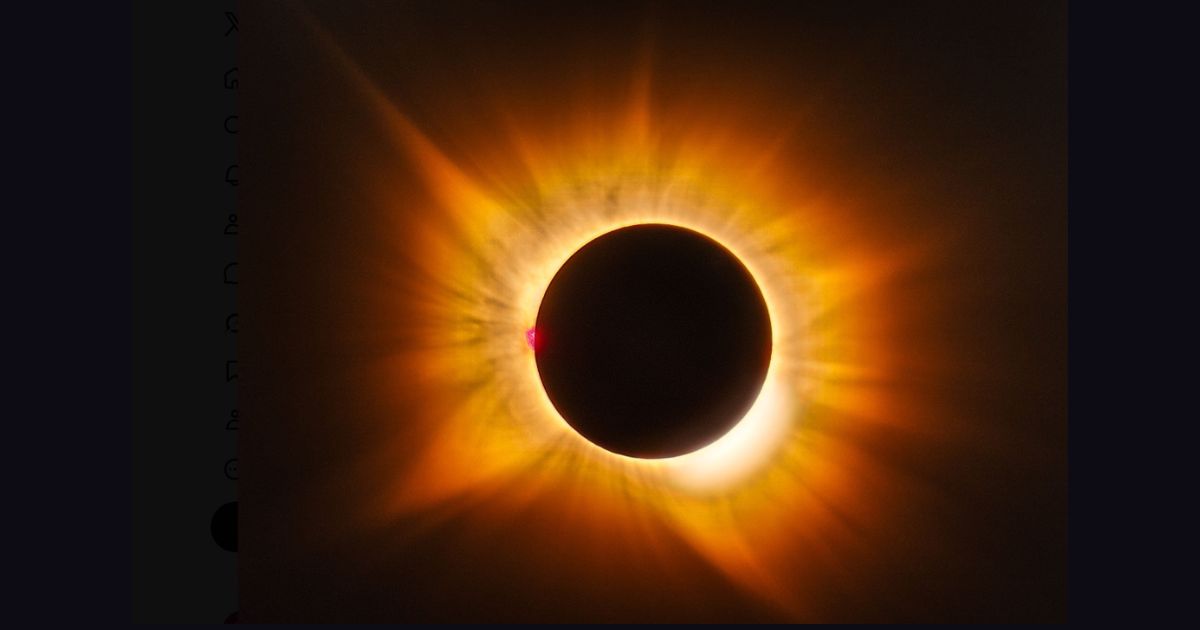
This celestial event took place when the Sun, Moon and Earth came into alignment, leaving the eclipse path briefly in darkness. It was the first total solar eclipse seen in Spain in over 100 years, and brought in crowd numbers to cities, towns and viewing sites.
Hundreds of viewers assembled at viewing sites all over northern and central Spain. At least 500,000 more people were also anticipated to travel during the event, boosting the need for lodging in towns that lie along the path of totality.
Totality, or complete darkness, was less than 2.5 minutes long at its maximum. In Portugal and Spain, the eclipse lasted only about a minute, as it happened near sunset.
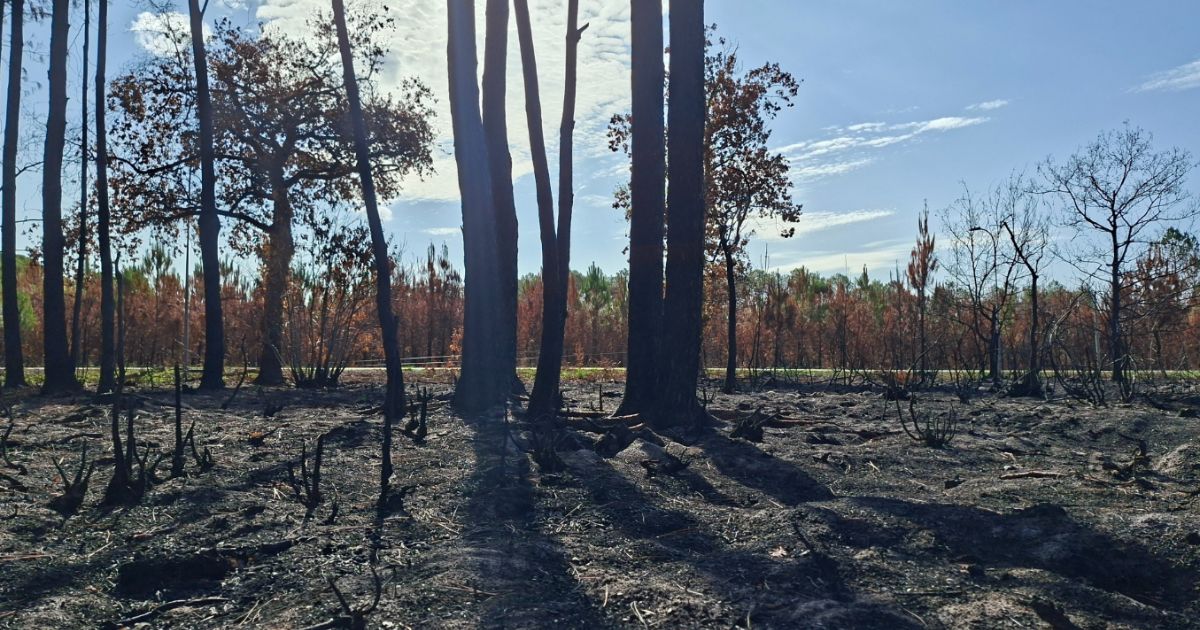
The eclipse took place during an unusually warm summer and amid continued fire threats in Spain. Many viewers recorded temperatures over 35 degrees Celsius. Authorities set up approximately 350 official observation points and dispatched over 33,500 police and security forces to order crowds and ensure access to the venues.
Eyepiece safety precautions were also stressed since direct viewing of the Sun can be harmful to the eyes. Eclipse glasses with solar filters were distributed and sold throughout Spain, and in some places were in short supply.
In Iceland, somewhat of an issue of visibility was caused by the cloudy and rainy weather, but people still flocked to take a moment of darkness. The eclipse was of great importance for Iceland as it had never before seen a total eclipse.
The eclipse also drew people to Greenland for sighting conditions, as conditions along the cruise path were monitored. People in the Arctic region were given a dramatic experience when suddenly it was daylight and then darkness.
The rare astronomical event turned into a major public interest and tourist event throughout the region, attracting large audiences and demanding substantial planning of transport, safety, accommodation and eclipse viewing.