The 2026 program of the nationwide Culture Route Festival of Türkiye has been launched in Sanliurfa, which is located at the heart of a cultural project that integrates heritage, tourism, and economic strategy.
The inauguration ceremony was held at the Sanliurfa Museum, and this is the first of a series of festivals which will spread to 26 cities. The event was not only a cultural program but also a part of a larger process of redefining the presentation of cities to both national and international audiences.
According to Deputy Culture and Tourism Minister Nadir Alpaslan, the initiative is described as a type of development model, where the festivals are meant to “increase the brand value of the cities, make the cultural heritage visible and transform culture into economic value.”
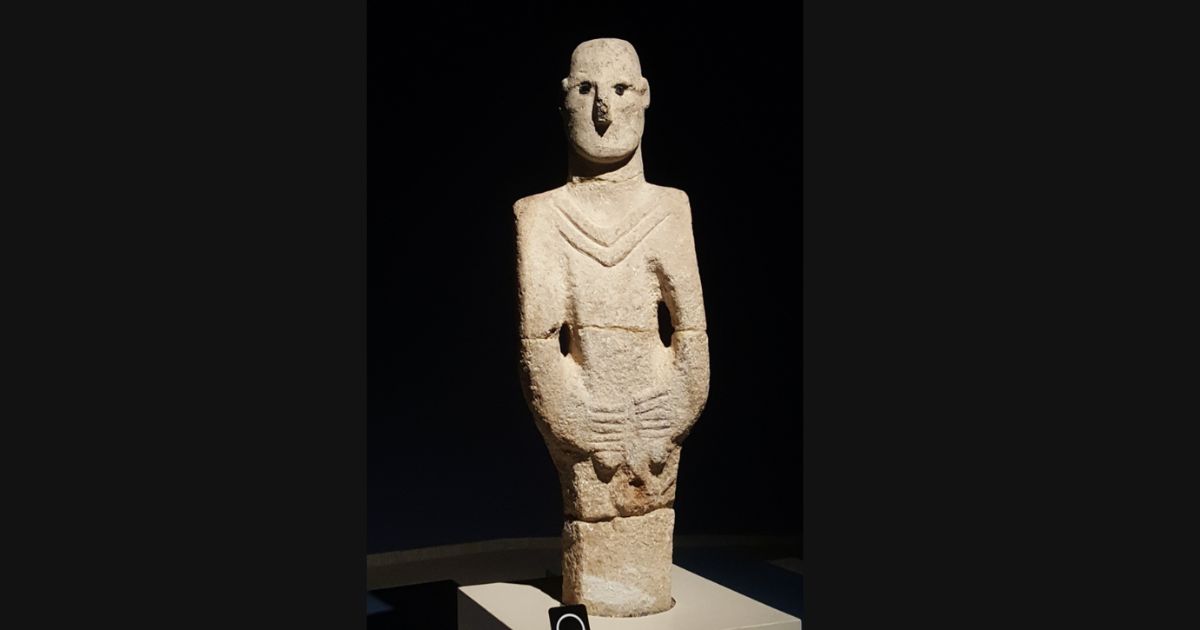
He highlighted the importance of Sanliurfa in history, calling it “the place where the history of humanity started” and referring to such archaeological places as Gobeklitepe and Karahantepe as the key points of that story.
Festival as cultural and economic planning
Authorities over and over again associated the festival with the development of tourism and its international recognition, pointing out the recent investments in museums, restoration projects, and archaeological research.
In 2025 alone, Alpaslan provided evidence to show that over 800,000 visitors travelled to Gobeklitepe in 2025.
He also emphasised the contribution of the project of the Neolithic period, “the Tas Tepeler,” where excavations are still in progress on 11 sites, which are still contributing to a better understanding of the Neolithic period.
He said that “these lands not only serve as the centre of the past, but also the future,” and that international exhibitions in cities like Rome, Berlin, and others have helped them take Sanliurfa to the international arena.
Sanliurfa Governor Hasan Sildak paid more attention to the positioning of the city in terms of tourism by taking more direct action and stating that the key task of the city is to present itself to the tourism market through more prominent presentation and infrastructure.
His greatest task is to make sure that Sanliurfa is represented in the tourism market with a powerful presentation, which is reflected in the recent advancements in the accommodation capacity and quality of service.
Multi-venue program spans exhibitions, music and gastronomy
The festival will continue until May 3 and will have a very broad program that will help to mix the historical narrative with the products of contemporary culture.
There will be 159 events in 21 venues, comprising exhibitions, workshops, performances and outdoor activities.
Some of the major components of the program are:
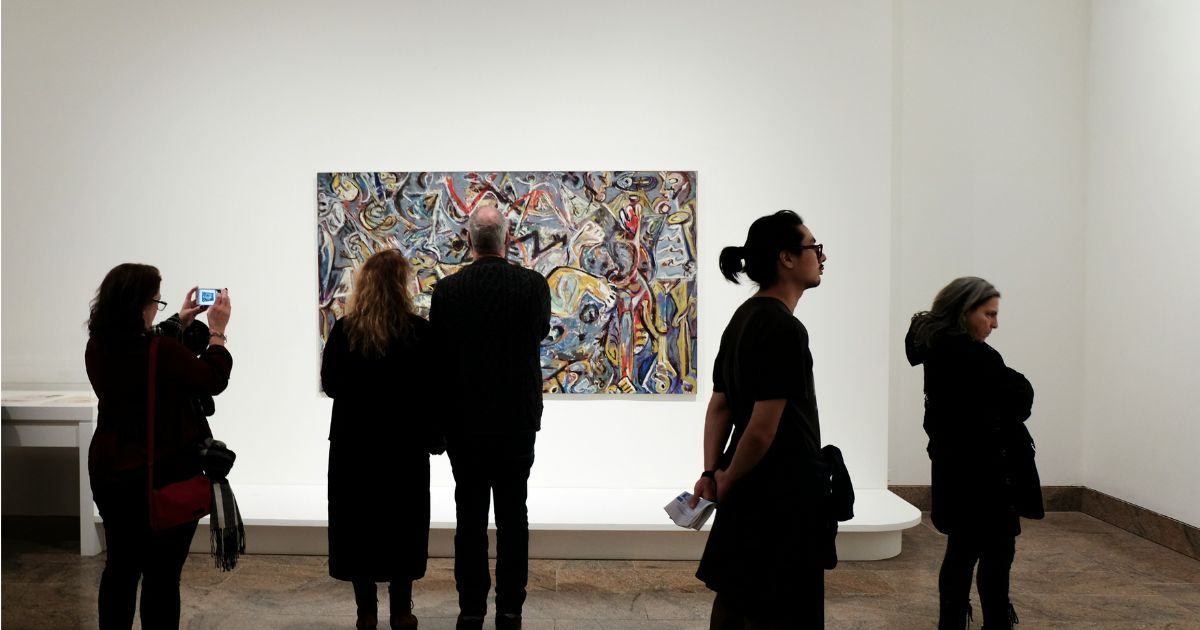
- Exhibitions: The “Hane” exhibition features family-related themes in calligraphy, ceramics and digital artworks of the major collections.
- Living heritage display: The display is a large-scale display that brings together traditional artisans such as ceramics, textiles, woodwork and metalwork, reflecting the artisans’ practices of the region.
- Neolithic reinterpretation: Student art based on sites like Gobeklitepe and Nevali Cori relates the findings of prehistoric discoveries with contemporary expression.
- Music and performance: Concerts, traditional gecesi sira gatherings, and choral interpretations of Anatolian music are some of the musical and performance activities.
- Workshops and lectures: Workshops and lectures are dedicated to archaeology, literature and intangible cultural heritage, including the traditional practices such as the coffee known as a “mirra.”
On the one hand, the extension of the program out of the museums with guided walks, cycling tours, and photography events allows more children to participate in the program.
Gastronomy Pathway lays Emphasis on Local Cuisine
Food has continued to be a key part of the festival through the project, “Lezzet Noktasi” (Taste Points), which is a mapping of a curated route through 33 of the selected restaurants in the city.
The project enables tourists to savour the cuisine of Sanliurfa in a direct manner, with the choice made by a board of chefs and gastronomy professionals.
The program itself is being presented by the officials and organisers as an attempt to integrate cultural heritage, everyday life, and consumption of tourism into one whole entity, where the visitors would not be mere spectators but participants in the whole program.
With Sanliurfa being the first destination of the 2026 festival calendar, it is likely that the city will set the tone of how the Culture Route model will be implemented in other cities in the coming months.