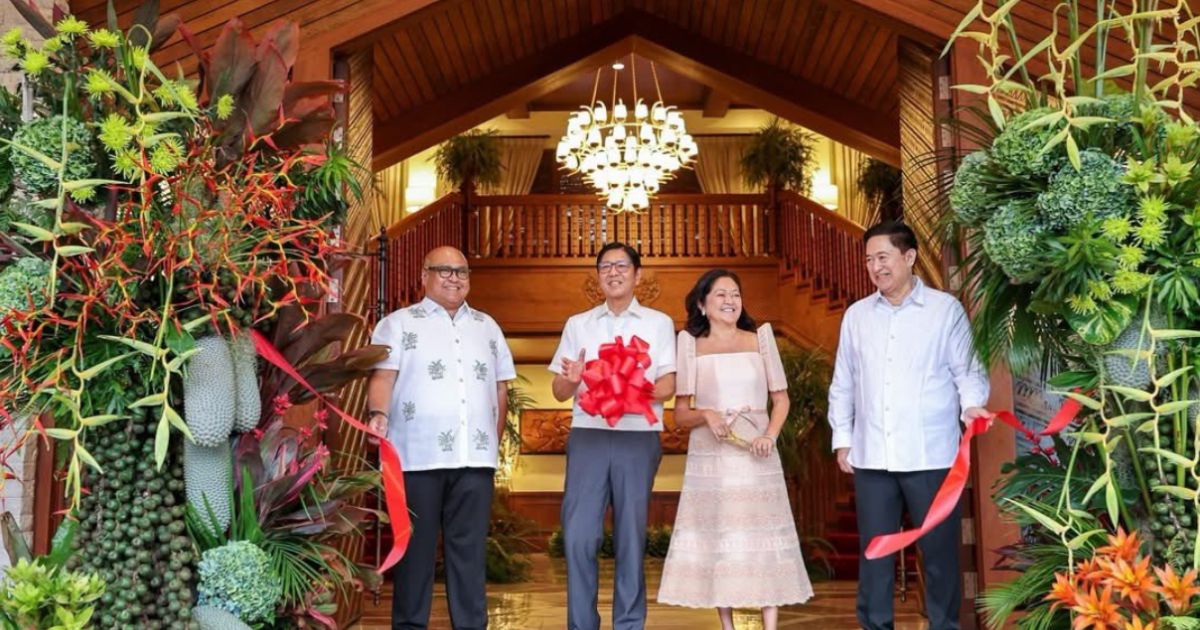
The Government Service Insurance System (GSIS) declared the reopening of the popular Coconut Palace to the general public today, thus providing yet another chance for Filipinos, as well as other visitors from all over the world, to visit one of the most iconic symbols of Filipino culture and architecture.
The Coconut Palace represents Filipino creativity and skills, since it belongs to the Cultural Centre of the Philippines (CCP) Complex situated in the City of Pasay.
This structure was designed by the National Artist for Architecture, Francisco “Bobby” Mañosa, and the most notable feature of this building is that it incorporates a unique style of Filipino architecture and a variety of native materials, namely coconut, representing the natural wealth of the country.
This event can be considered a success in preserving and promoting the cultural heritage of the country, and at the same time, it will provide tourists with an excellent opportunity to learn about the country’s culture and history.
“The opening of the Coconut Palace is not just about restoring a historic building; it’s about fostering a bond with Filipino heritage, appreciating Filipino creativity, and celebrating the architectural and cultural legacy that continues to shape the lives of generations to come,” said Jose Arnulfo ‘Wick’ Veloso, President and GM of GSIS.
The Coconut Palace’s architectural design, its complex details and the rich and varied cultural elements of the Philippines will be showcased once again for visitors to delight in.
The Coconut Palace will also serve as a venue for cultural events, official ceremonies, educational programs, tourism attractions, and showcasing the artistry and innovation of the Filipino people and Filipino culture.
The reopening is part of the government’s continued efforts to conserve and protect the cultural heritage of the nation and provide meaningful, significant opportunities for citizens to access historically important sites, all in the hopes that the public will have access to this heritage.
As the Coconut Palace welcomes back its visitors, it is still a symbol of the Filipino spirit, creativity, craftsmanship and Filipino pride.
In its presence, it continues to demonstrate the cultural identity of the country and the eternal vision of architecture based on the Filipino tradition and values.
“With the approach of the public’s return to the Coconut Palace to learn, enjoy and embrace this classic of Filipino heritage, I look forward to seeing them there,” Veloso added.
About the Coconut Palace
The Coconut Palace (Tahanang Pilipino) is a landmark of national significance, for being an example of pioneering Filipino architectural design, and for using coconut-based and other indigenous materials.
The project was commissioned by the then First Lady Imelda Romualdez-Marcos in 1978 as a government guest house to highlight Filipino culture, craftsmanship and the sustainability of coconut as a construction material.
Designed by National Artist for Architecture Francisco “Bobby” Mañosa, the Palace aimed to reflect the Filipino ingenuity and hospitality, rich architectural heritage and local resources.
The original design called for it to be the venue for the presentation and reception of very high-ranking foreign dignitaries and foreign guests, including the visit of Pope John Paul II to the Philippines in 1981.
The Coconut Palace is one of the most famous examples of Filipino tropical architecture, and is known for its use of coconut lumber, shells, roots, and fibres, as well as other indigenous materials.
The design embodies Filipino creativity, craftsmanship and sustainable design and promotes the use of local materials.
It is a national heritage and tourism landmark which has cultural, historical and architectural significance, and a reflection of the artistry and identity of the Philippines.