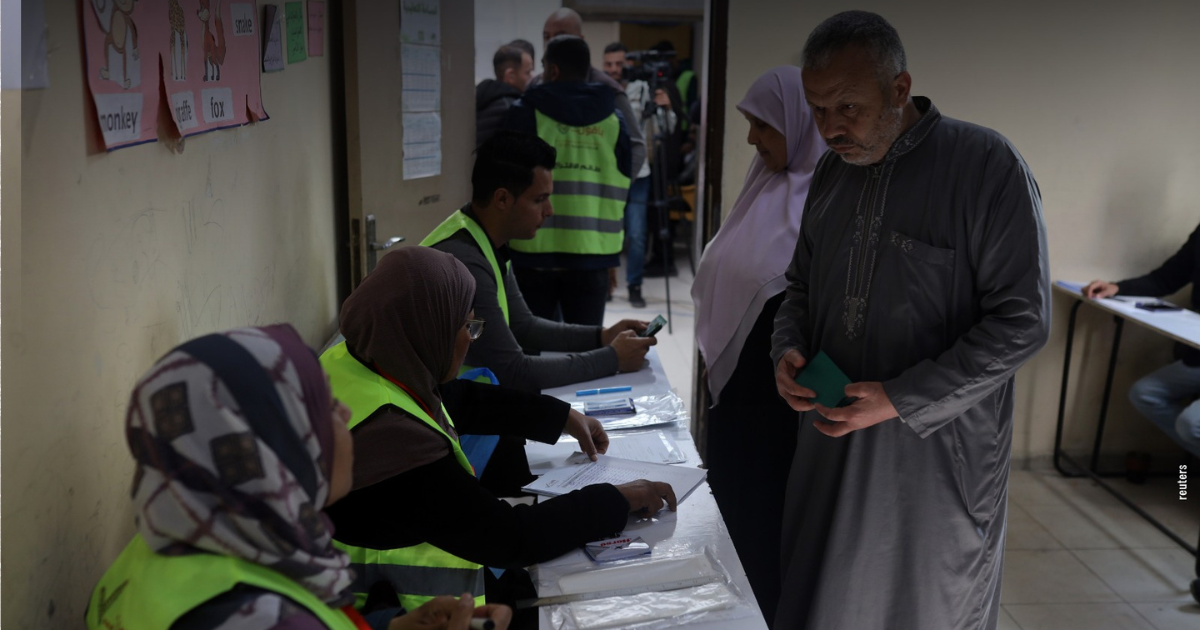
The West Bank and central Gaza areas saw Palestinian residents vote in municipal elections which marked their first polling activity since the 2023 Gaza war began. The local elections held local importance but they served as one of the last opportunities for Palestinian Authority citizens to participate in democratic processes.
President Mahmoud Abbas cast his vote in Al-Bireh, telling the Wafa News Agency that he was pleased to see democracy in action despite the immense challenges facing the region. The elections concentrated on vital services which included water systems and sanitation facilities and road maintenance because these services remain crucial for communities that are currently recovering from their prolonged periods of conflict and unrest. .
A Tale of Two Turnouts: Voting in the West Bank and Gaza
The Central Elections Commission – Palestine reported a stark difference in participation between the two territories. The West Bank experienced slow initial voting which increased to 53.44% because of a voting surge that occurred during the last hours of the day. This figure shows that residents maintain their desire to participate in local governance according to previous elections despite ongoing security threats and settler violence.
The Deir el-Balah turnout in Gaza showed a major decrease because only 22.7% of registered voters took part in the election. Deir el-Balah was specifically chosen for this pilot vote because its population had remained relatively stable compared to other heavily displaced areas. The territory experienced power outages which made it impossible for polling stations to function, so they closed early to count ballots during daytime hours.
Political Significance and the Push for Reform
The election served as a test for evaluating whether the Palestinian Authority maintains its rightful status as a legitimate governing body because international donor nations demanded that the authority implement democratic reforms. The European Union External Action service hailed the vote as an “important step” toward broader democratization. However, the election lacked Hamas candidates because most electoral lists included only Fatah members and independent candidates.
The humanitarian situation which exists at the voting site continues to display serious problems. The United Nations reports that two years of fighting have resulted in tens of thousands of deaths while destroying extensive areas of vital infrastructure. The World Health Organization in Gaza has reported ongoing health service and sanitation system failures which make it compulsory for local councils to take responsibility for these essential services beyond their ceremonial duties.
The young voters in Gaza used their voting rights to express their wish to live while they asked the international community to support their efforts to rebuild their country. The municipal councils lack legislative authority but the successful execution of the election demonstrates Palestinian peoples’ commitment to rebuild their communities while establishing a functional state.