On Thursday, oil prices dropped by 1%, although prices are still above $100 on the global markets. Investors are waiting to see whether Saudi Arabia and the Iranian-backed Houthi forces will be able to resume oil deliveries and news of new oil from Saudi Arabia is coming in. Earlier this month, the United States Energy Information Administration issued a warning about the worsening energy shortage situation following Israel and the US attacks on Iran.
Brent crude futures closed up 0.95% at $104.82 a barrel, while US West Texas Intermediate (WTI) futures rose 0.5% to $101.91 a barrel in market moves. The benchmarks were both off 3 percent on Wednesday. Brent futures fell to multi-day lows after news of additional crude cargos being offered to Asian refiners via ship-to-ship transactions off Oman’s Sohar port from the Saudi Arabia came out from the OPEC meeting.Saudi Arabia’s ship-to-ship crude cargoes off Oman’s Sohar port boosted offers to Asian refiners in the OPEC meeting, pushing Brent futures to multi-day lows. These operations are being closely monitored by international monitoring organisations such as the International Energy Agency, which was aimed at compensating for the disruption to the East-West pipeline caused by recent attacks on the Red Sea.
Saudi Arabia is also working to restore some 50% of the capacity at its East-West oil pipeline within days. The critical infrastructure that provides Yanbu, a city in the Red Sea, with its export hub, was paralyzed last week after an attack by drones damaged three pumping stations. If the closure lasts, it may deprive the world of up to 4% of its oil supply, a worry for the members of the Organization of the Petroleum Exporting Countries. Riyadh had stopped some shipments of cargo to European customers, but industry sources estimate that crude will start flowing through the pipeline soon.
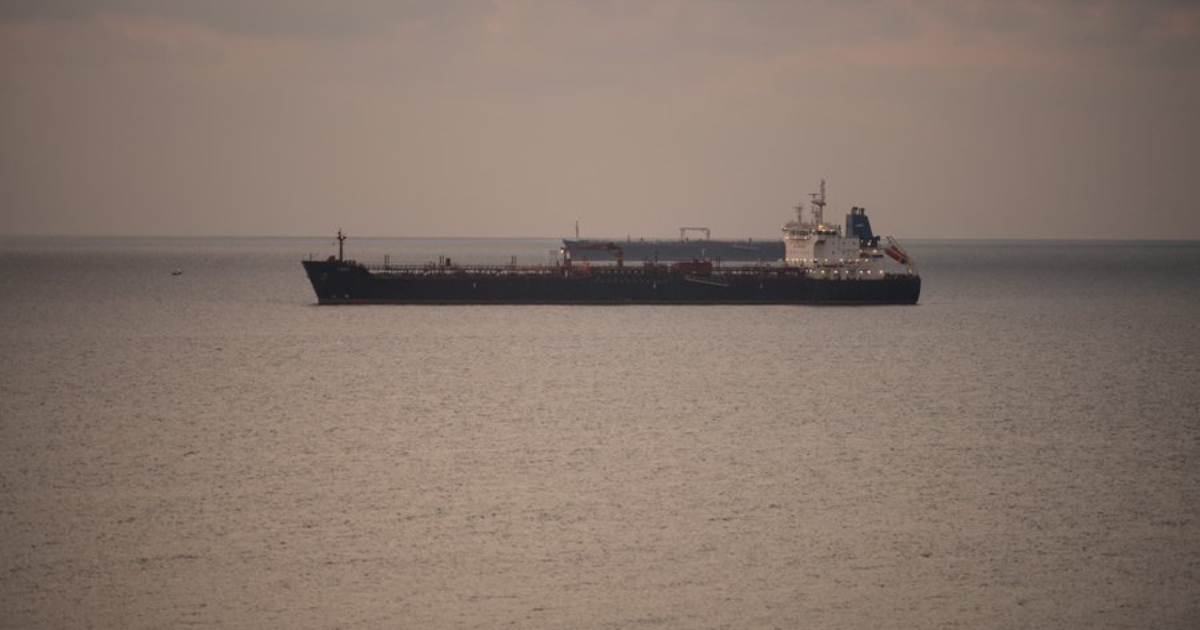
Crude supply is a major concern in the market, but shortages of diesel look to be a significant source of pressure. Energy supply unavailability in Middle East and Russia is dramatically limiting fuel availability worldwide. As a result, both European gasoil futures and US ultra-low sulfur diesel futures hit record highs earlier this week. The rising energy pressures are all closely watched by the U.S. Department of Energy, in the face of decreasing tanker usage in the Strait of Hormuz.
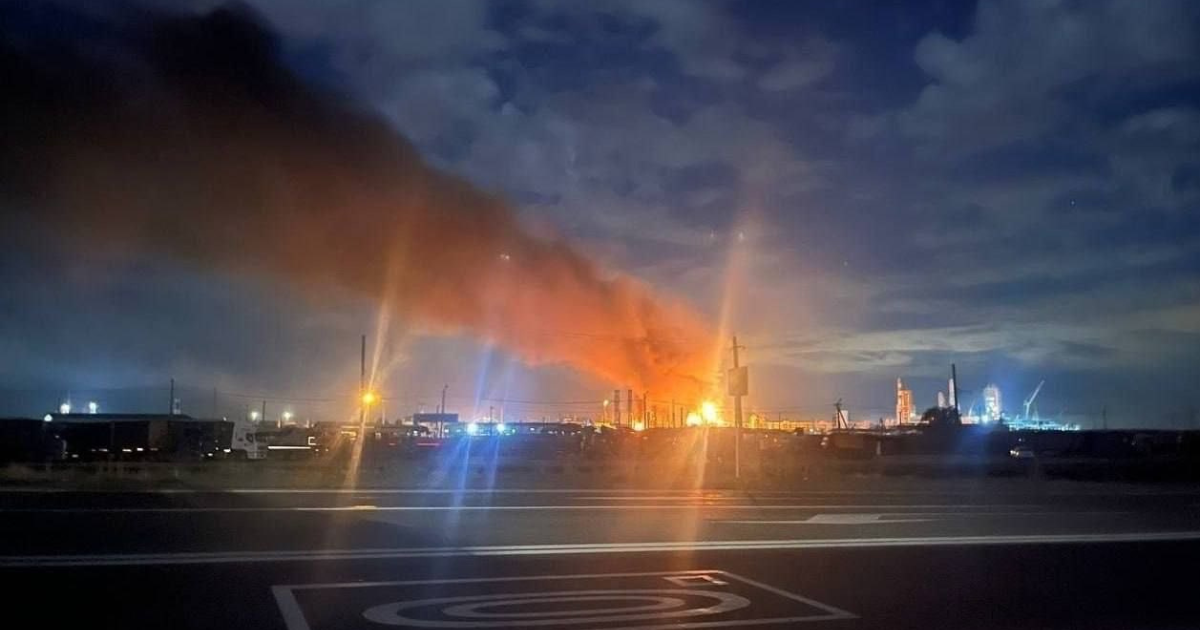
The Red Sea shipping and regional energy infrastructure remains very vulnerable to further disruption in the face of ongoing geopolitical tensions. But a Ukrainian drone strike recently damaged a refinery in Yaroslavl, Russia, resulting in a fire that was extinguished. International diplomatic efforts are ongoing at the United Nations to help calm tensions in the region, and some financial analysts believe the price of Brent crude may reach 85-95 an barrel eventually if the tensions with the U.S. and Iran get better in the fourth quarter.