Oil prices had a bumpy day and closed in the red on Wednesday. The IEA agreed to speed up delivery of oil stocks from around the world. The agency has said that it will focus on diesel to ease record-high fuel prices in the ongoing war between Iran and other countries that is affecting the international supply of fuel.
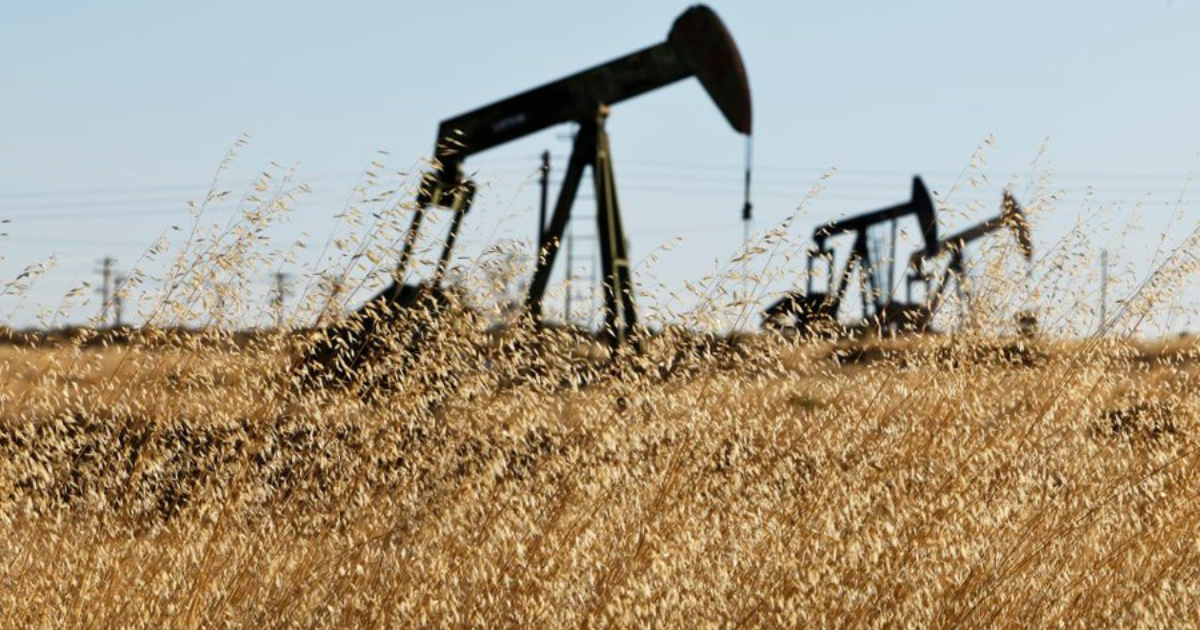
Brent crude futures were 38 cents lower, or 0.38%, to $100.20 a barrel. Meanwhile, U.S. West Texas Intermediate (WTI) crude settled down $1.16, or 1.3%, to end the session at $88.28.
The IEA said that if it could get the stock releases completed as swiftly as it has already announced, it could put a total of some 100 million barrels on the market. Some analysts note that this isn’t necessarily a new intervention, but it is having an immediate effect on the market. The Government of France, which will sell 10 million barrels of diesel from its strategic reserves to help ease regional shortages, is backing the move.
The ongoing energy supply crisis is still very much in Europe, energy market analysts report. The faster-than-expected release of the reserves is likely to offset some of the demand pressure on the U.S. stocks, in particular easing the pressure on U.S. West Texas light sweet crude (WTI) stocks.
Domestic crude and distillate stocks decreased last week, but gasoline stocks increased, according to the U.S. Energy Information Administration (EIA). Crude inventories fell 3.2 million barrels to 424.1 million barrels for the week ending Oct. 2. The reduction was particularly large, and came in short of analyst predictions for a gain of 1.7 million barrels.
But, global conflicts are still casting volatility into the energy market, even after the supply interventions. In Yemen, Houthis militia groups attacked the Aden international airport with missiles and drones as fighting with Yemeni government forces fighting on the Saudi-backed side of the conflict increased. Ukrainian forces attacked two Russian oil facilities in Eastern Europe, killing at least 15 in Ukraine with Russian bombing. All these geopolitical developments, along with the reduction of crude oil refining capacity in the Middle East, have contributed to significantly restricted fuel markets.
Further complicating the situation are diplomatic stalemates. The White House and U.S. negotiators are not making progress toward meeting Tehran’s demands, a senior Iranian official said after Vice President Joe Biden, who was speaking at the Foreign Correspondents Association, insisted Iran must reduce nuclear enrichment to put an end to the “current war.
Extreme weather is also undermining the stability of the markets. The National Hurricane Center is monitoring a disturbance in the Gulf of Mexico that could turn into the first hurricane in the Atlantic this year. The storm could threaten key oil and gas infrastructure that could disrupt oil production of 11.2 million barrels a day. The U.S. Gulf Coast currently accounts for approximately 15% of the nation’s total crude production, which is expected at 2.05 million b/d during the week, and will add an unwanted complication to the already strained global crude market.