The Museum of Islamic Culture and Art is officially opened in the City of Sarajevo and has thus become one of the most awaited cultural institutions in the region, dedicated to the spiritual legacy of the area. The museum, established by the Islamic Community in Bosnia and Herzegovina, can be visited through a permanent exhibition which is displayed in three historic gallery units: the Gazi Husrev-beg Hanikah, the Kuršumlija Medresah and the Gazi Husrev-beg Library.
The new institution aims to collect, preserve, research and exhibit the Islamic cultural heritage. A particular focus is given to the authentic Bosnian experience of Islam over centuries of living on European soil.
Speaking to the audience, the Grand Mufti (Reisu-l-ulema) Husein-ef. Kavazović highlighted the historic importance of the establishment. He said it was a very significant day that the community has waited for almost 100 years and that the museum has a mission to save priceless cultural and spiritual treasures from oblivion.
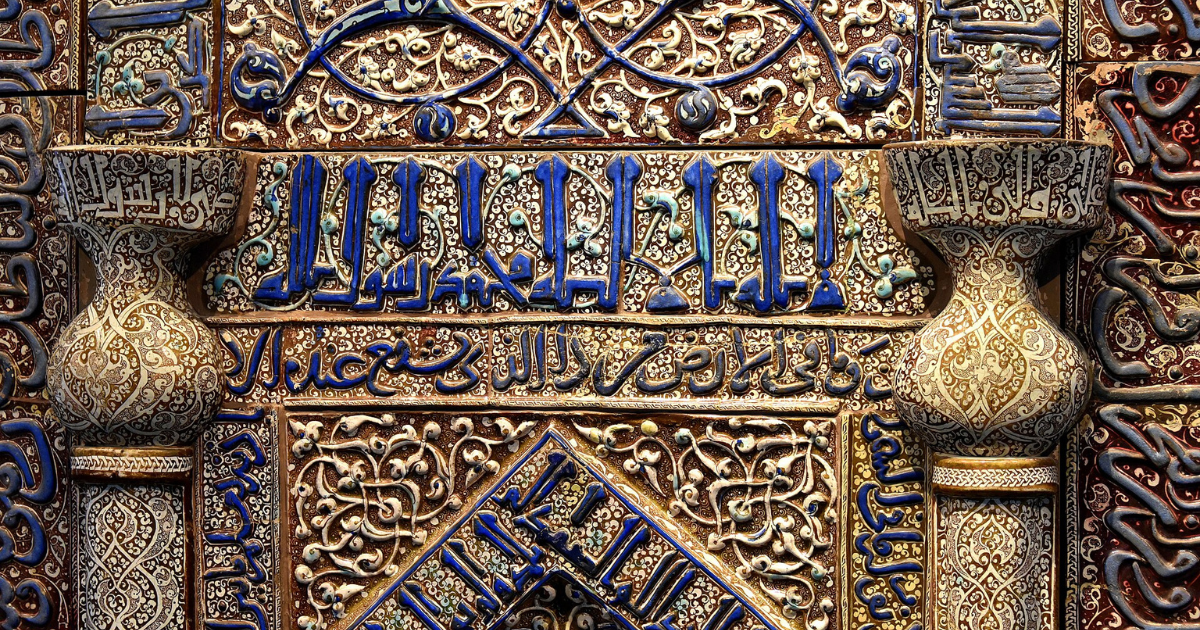
The museum’s collections range over 200 years of artistic and spiritual creativity. Unique manuscripts of the Quran, important calligraphic works, and elaborate objects made from wood, metal, and canvas are all part of the exhibits. These are significant artifacts, which are proof of the amazing craftsmanship of Bosnian and Herzegovinian artisans.
Among the most important exhibits is a copy of Al-Ghazali’s “Ihya Ulum al-Din. It is the oldest book in the Gazi Husrev-beg endowments, which was copied five years before the author’s death in 1106.
Founders hope that the museum will become a mobile education and dialogue centre, rather than silent guardian of the past, by being integrated in the architectural setting of the historic complex of Gazi Husrev-beg. The National Commission to Preserve National Monuments closely tracks this wider historic quarter to make sure that its structural fabric is preserved for future generations.
This museum project could not have been realized without more than six years of hard work and scientific and research efforts of the Directorate for Education and Science, guided by Professor Dr. Dževad Hodžić. In the future, the museum wants to be a place that will draw in researchers, students, and tourists from all over the world and will create a dynamic space for preservation of culture similar to UNESCO’s global heritage.