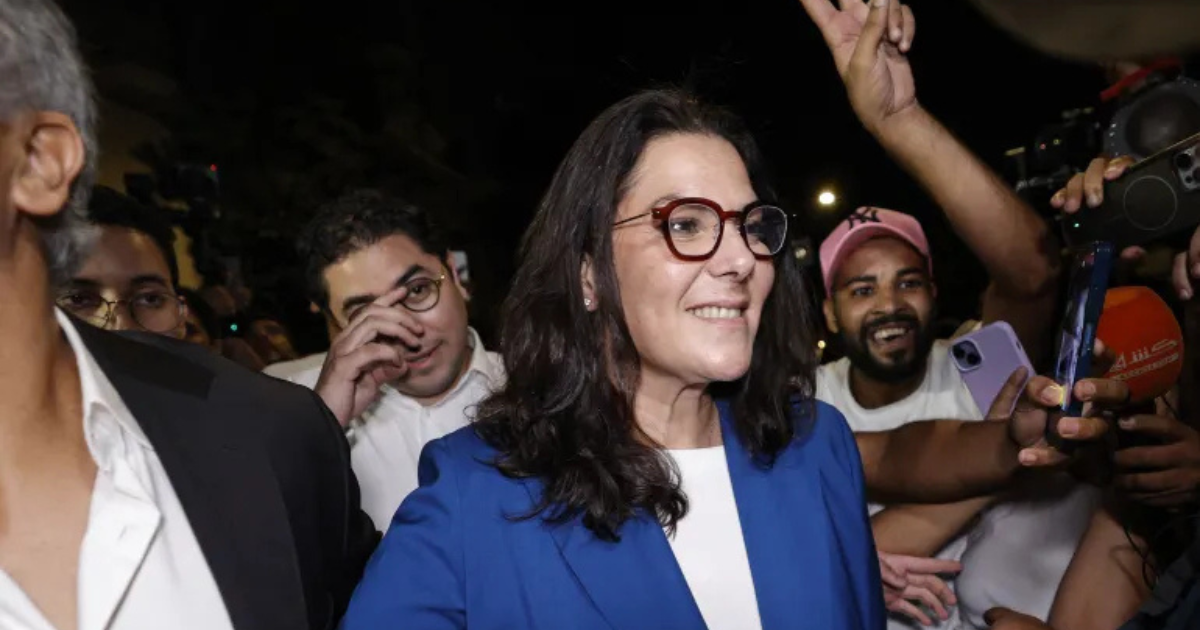
The Authenticity and Modernity Party (PAM) has won a parliamentary election with the lowest turnout ever, as only 38 percent of people took part. The kingdom is home to nearly 16 million registered voters, and they are currently facing a high level of voter apathy, partly due to the social crises facing them, high unemployment and economic inequalities. The official government portal revealed that Interior Minister Abdelouafi Laftit confirmed the National Rally of Independents (RNI), the head of the outgoing coalition, had obtained second place with 66 seats. The Islamist opposition party’s Justice and Development Party won 54 seats in the House of Representatives, followed by the right-wing Istiqlal party with 65 seats.
The election was held within two months of the massive migration crisis in which tens of thousands of mostly young Moroccans arrived in the Spanish enclave of Ceuta. In addition, the level of youth turnout in the voting booth was abysmal, as only some four per cent of registered voters were aged 18 to 24. The distancing comes after recent rallies by the Gen-Z demanding transformational change in the public healthcare and education systems. The turnout of 38 percent on Wednesday is a major drop from 50 percent in 2021, and the lowest rate of civic engagement since 2007.
Many citizens spoke with a deep distrust of the political system and complaints about the disconnect between their daily concerns with purchasing power and the lack of good public services and the political system. On the other hand, a smaller number of voters voted expecting a change of leadership in the major political parties, which they think is long overdue, in this election cycle.
The kingdom’s economies are still showing a steady growth despite the popular disillusion, a factor which is strictly followed by international institutions such as the World Bank. The government is heavily scaling up large-scale infrastructure investments, ahead of the 2030 World Cup co-hosted with Spain and Portugal, a big international project under the auspices of FIFA. But the huge sums of money spent on sports have been criticised at home for being too divorced from the country’s socio-territorial priorities, especially in the context of continued rural isolation and unemployment among young people.
The king’s traditional way of appointing the prime minister to lead the government for a five-year period from the party that won the elections, while the monarch remains in charge of the important decisions of the state. The Prime Minister, Akhannouch, who had taken over the RNI’s campaign after his own resignation as party leader, strongly rejected any criticism of his administration’s efforts to increase the social security coverage and wage rates. However, the rich businessman has been subject to unending charges of conflicts of interest to his fuel distribution firm Afriquia and has been called upon to resign during the current popular uprising among the youth.
The victorious PAM and its main competitor, the RNI, are ideologically close and have strong historical links to the royal palace. However, to make itself more attractive, PAM sought out popular leaders such as Budget Minister Fouzi Lekjaa, who was a well-known leader in national football, who campaigned on higher salaries and the empowerment of the young. But the winning main party in the elections has its own serious issues to contend with. More recently, the PAM suffered from a spectacular corruption and drug-trafficking scandal known as the “Escobar of the Sahara” case, which saw two senior members of the PAM given lengthy prison sentences, highlighting the challenges of governance that the country faces as it meets the expectations of international and domestic bodies such as the United Nations.