The credit rating agency Moody’s has not lowered the country’s credit rating, and has maintained it at A1. The classification rank the country among the more robust countries in the “low risk of default” group. The rating affirmation comes on the eve of critical discussions in the weekend that will determine the 2027 budget of the Federal Government of Belgium, where a total of more than 10 billion euros will have to be saved by applying structural cuts to spending.
Moody’s latest economic review projects Belgium’s economic growth to hit 0.7% of its GDP this year, with a gradual recovery to 1.0% in 2027 and 1.1% in 2028. The current economic slowdown was caused by the ongoing Middle East conflict that has led to an increase in global energy prices and reduced foreign demand, the agency said. The national deficit is anticipated to remain around a concerning 5.3% of GDP while inflation is projected to be 3.5% in 2026.
One of the single major concerns of the country is the increasing burden of interest payments on the national debt. The interest rate paid on Belgian ten-year bonds was on average 4.35% by the end of September, up 85 basis points from the beginning of 2012. The National Bank of Belgium and the Belgian Debt Agency have both issued severe warnings and notified that if the current steps are not taken and drastic financial measures are not implemented, then a devastating debt-interest spiral could engulf the economy by 2029 or earlier.
Belgian Prime Minister Bart De Wever is trying to bring his coalition partners together to complete the budget framework and tame the debt burden. But political obstacles are huge to the negotiations. Other political parties are strongly opposed to any proposed cut of the healthcare growth norm, with proposed changes to the VAT rates still being a major sticking point, especially for MR. The ultimate aim is to achieve at least the savings required by the European Union’s spending rules by 2029.
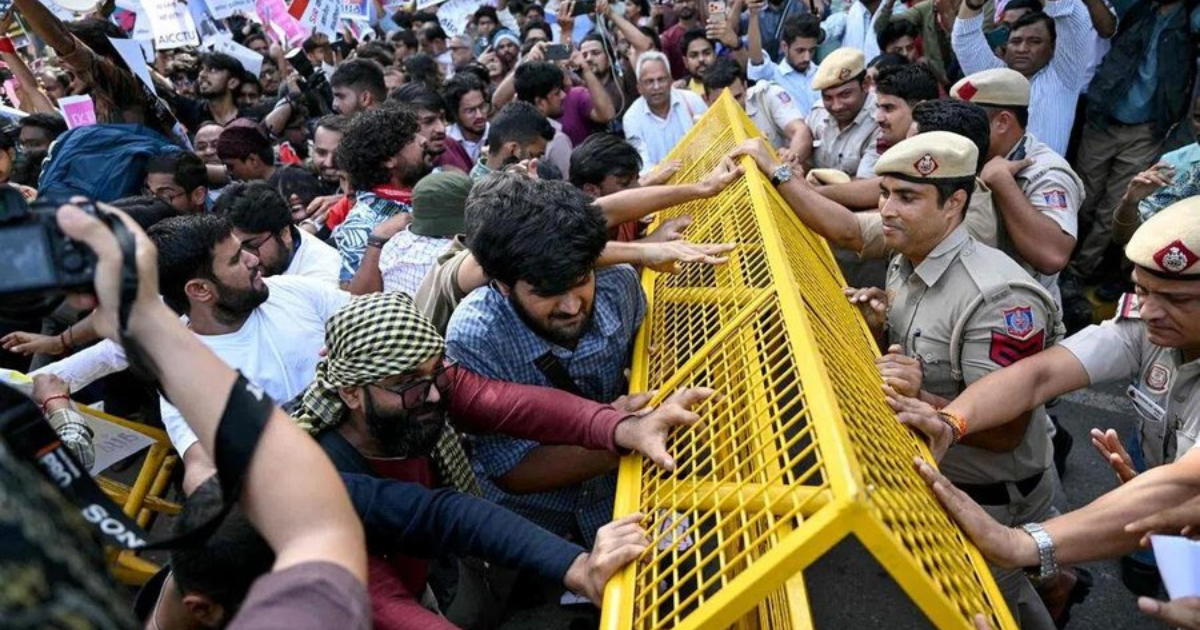
Prime Minister De Wever has been assigned Tuesday as the last day to reach a consensus, on which he will deliver his “State of the Union” address to Parliament, though there is a lot of doubt about whether the coalition will succeed in doing so by then. The potential for harsh cutbacks has also resulted in a strong public reaction leading national trade unions to take up an active role in organising against previous and further budget reductions.