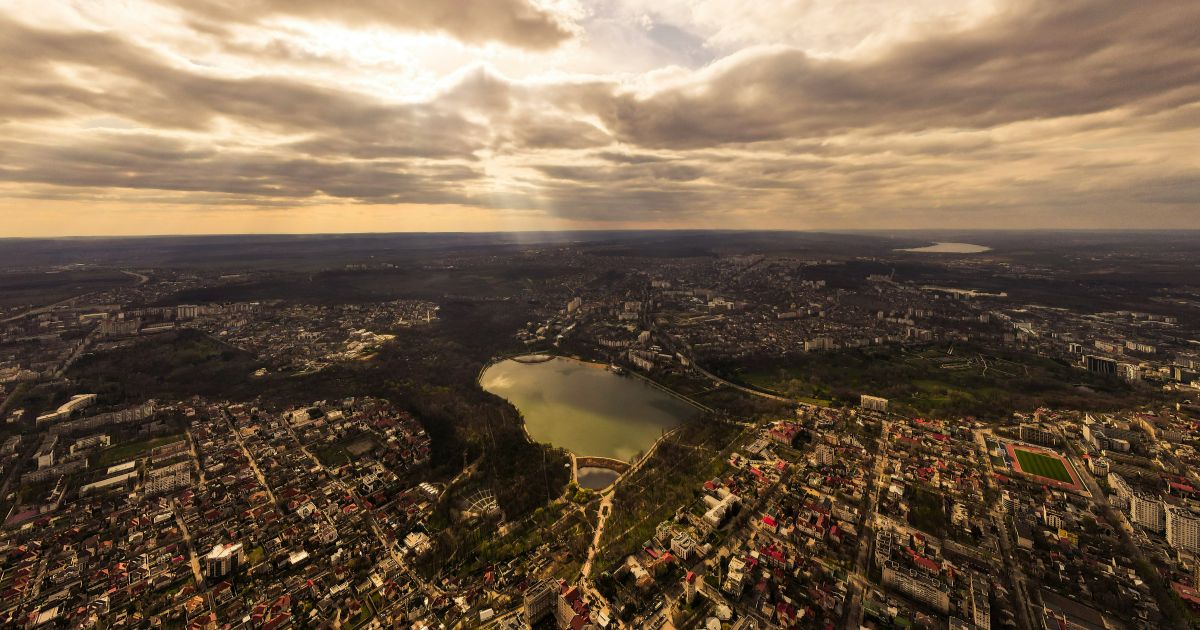
The national competition for the European Capital of Culture 2033 title is open to Moldovan municipalities, which will submit long-term urban cultural development plans before the application deadline on October 4.
The national selection procedure is the first step to establish the representative city for the Republic of Moldova in the wider competition of the European Union. The municipalities can submit their application files both digitally and physically.
The Estonian model: Tartu 2024
This builds on the success of other European cities that previously took the title, with the most recent being the Estonian city of Tartu in 2024. Seven years of intensive work yielded a designation that attracted over one million visitors and spawned hundreds of cultural programs for the benefit of visitors and residents, enhancing the city’s international appeal and stimulating the local economy.
Hannes Rumm, former head of the European Commission Representation in Estonia, said that politicians’ backing is not a precondition for this artistic idea, but it is most certainly not a deciding factor.
Tartu, the oldest city in Estonia but also the birthplace of the country’s oldest university (1632), is known as the cradle of Estonian culture. The city’s year-long cultural programme was themed “Arts of Survival” and featured over one thousand events supported by a budget of €26 million (approx. 520.65 million MDL).
The motto of Tartu is “The city of good thoughts and smart people”. The people here are very much connected with European values and are very much aware of taking the opportunities,” Rumm added.
Common academic traditional ties
Estonia’s academic centre has great historical value for Moldova. Bessarabian political actors who signed the Union Declaration in 1918 – Pantelimon Halippa, Ion Inculeț, Ion Pelivan – studied at the university between 1905-1908, when the university’s name was Dorpat.
In the Tsarist Empire, populations in the outskirts were not allowed in university centres in Moscow or Saint Petersburg. That is why young people from Bessarabia (Ukraine), Georgia and Armenia studied at Tartu, Rumm explained. It is a privilege to be able to say that this European-level institution allowed the creation of cultural and political elites of several countries.
Now, municipalities from all over Moldova have until 4 October to submit their bids and compete for the European designation for 2033.