The already volatile conflict involving the Ministry of Foreign Affairs of Iran has been escalated, and the attacks and threats from Iranian-backed proxy groups have been greatly intensified. The recent developments have put a tremendous strain on the Saudi kingdom and raised fears of a much broader regional showdown.
Houthi rebels on Friday stepped up attacks on a Saudi military base in Yemen. Another serious skirmish between the Iran-backed movement and Saudi forces occurred in the strategic Saudi region of Najran, near the south border.
At the same time, Iraqi militias loyal to Tehran have been readying themselves for a reaction to recent deadly joint operations in Iraq by the American and Saudi forces against their positions. But the groups have so far delayed their plans to launch retaliatory strikes, which might reduce the threat of further escalation on Iraqi soil in the near future.
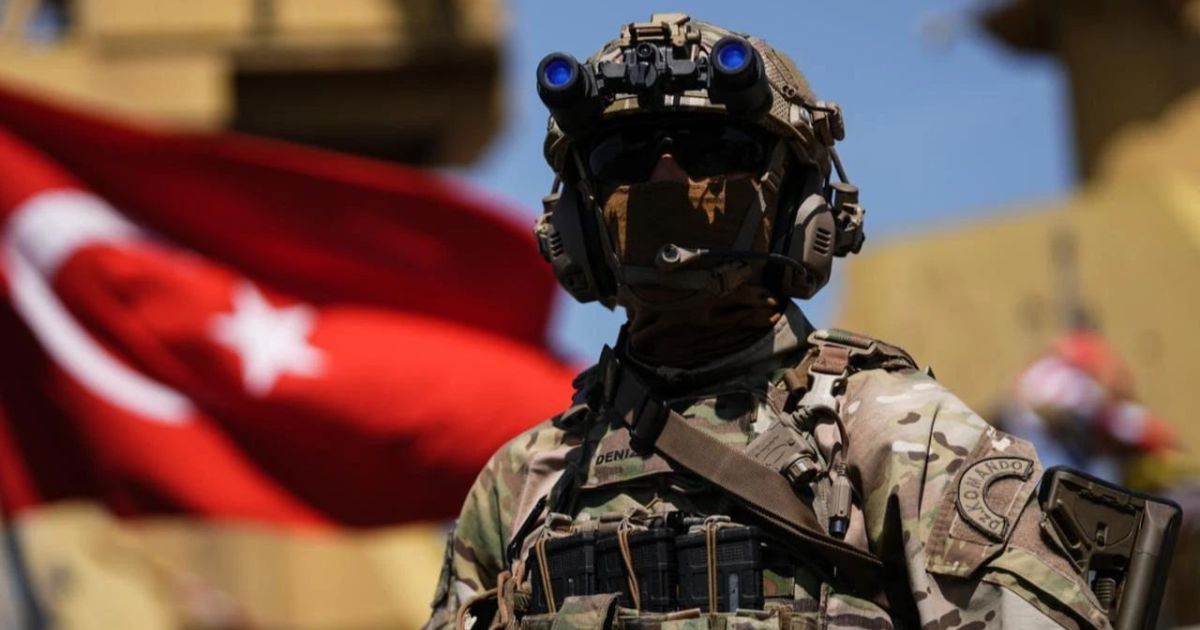
In this context, the Kingdom of Saudi Arabia’s Government has taken steps to beef up security measures. Recently, the Saudi leadership signed a comprehensive mutual-defense pact with the Republic of Türkiye and the Government of Pakistan.
This new agreement clearly declares that an attack upon any of the three countries involved will be considered an attack upon all three countries. It is a significant increase in trilateral defense cooperation, but is more properly viewed as a mutual defense pact, according to regional analysts, rather than a “NATO-style” alliance.
At the same time, the U.S. Department of Defense is making very tough choices about their current conflict with Iran. A new report claims Chairman of the Joint Chiefs of Staff Gen. Dan Caine has told senior officials in the Trump administration privately that the military is in a “state of emergency” and desperately requires an “off-ramp” from the conflict.
Gen. Caine was said to have voiced some real worries that more military escalation could seriously backfire, as it might turn against them, and that using airpower by itself could be kinda limited, not exactly enough, to reach Washington’s long-term aims. In the end, while the U.S. is still measuring the danger of a broader conflict, the regional states are moving fast to strengthen their security ties, basically gearing up for what comes next in case instability shows up again.