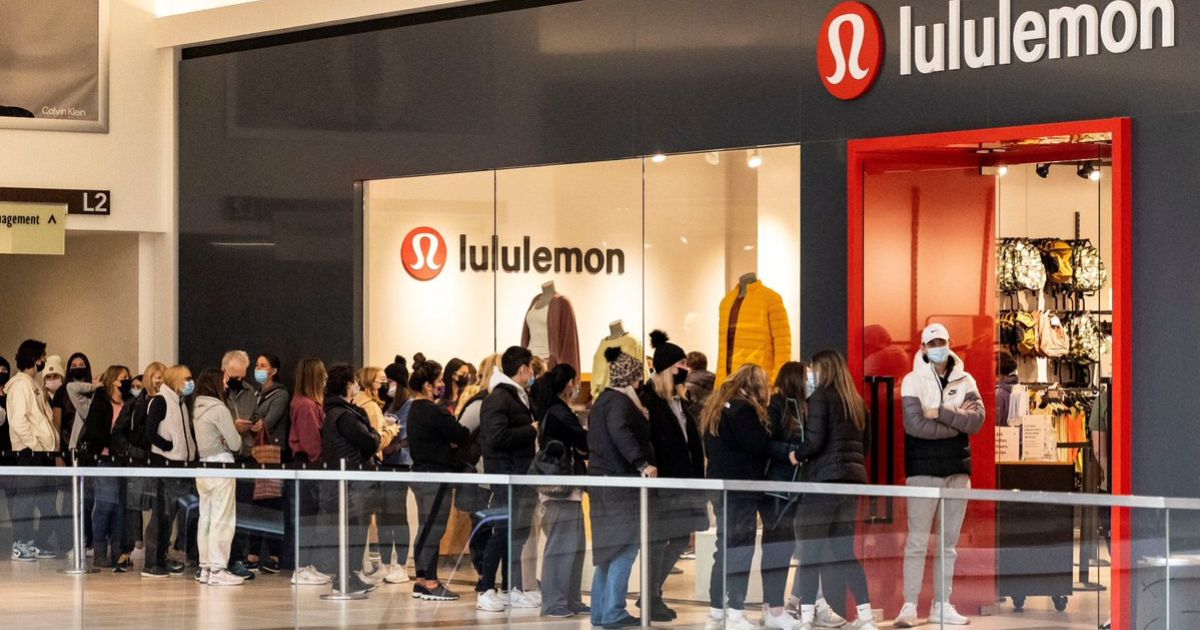
A Texas lawsuit against Lululemon Athletica Inc. to determine the presence of so-called “forever chemicals” in its clothes has created a ripple effect throughout Chinese social media, highlighting the danger the firm is about to encounter in one of its key expansion areas.
The investigation, which involves looking into whether Lululemon athletic wear has polyfluoroalkyl substances, or PFAS, went viral in China after being announced by the office of Texas Attorney General Ken Paxton earlier this week.
Xiaohongshu, an Instagram-like application that is popular among young urban consumers, has been met with swift and polarising reactions. Some users sounded more sceptical about whether they could still lend some backing to the brand; others sounded more opportunistic, saying that the controversy could result in discounts in case resellers are pushed to lower their prices, or alleviate the chronic shortages of popular products.
Simultaneously, the problem has provoked more widespread interest regarding product safety and quality control of Lululemon, and criticism began to appear along with less serious commentary.
Although the company could end up being vindicated, the incident emphasises the speed at which the consumer market of China, which is highly sensitive, can turn. Any reputational blowback is especially risky since COVID-19, which has seen Lululemon maintain a steady trend in the country since the pandemic, has limited the number of Western brands that have been able to maintain momentum.
The fact that the company is dependent on China as a driver of growth increases that weakness. North America has been lagging, but Lululemon reported an increase of approximately 30 per cent in sales in the country in the last fiscal year that ended in February.
On Wednesday, Lululemon China responded to the issue of safety with the statement that “all Lululemon products sold in mainland China today are PFAS-free and meet the applicable laws and regulations as well as national and industrial standards.”
Lululemon previously stated that it was collaborating with the investigation of the Texas attorney general and supplying documentation, and the company had eliminated the usage of PFAS during fiscal 2023.
Such a heated online discussion indicates the popularity of Lululemon in the second-largest economy in the world. Riding on a post-COVID boom in demand around outdoor sports and fitness, the brand has done better than most of the sportswear companies in China in the last two years. It has recorded a growth of online sales in the double digits in most months since early 2024, beating its competitors, such as Nike Inc., Adidas AG and domestic leader Anta Sports Products Ltd., as indicated by data provider Shang Zhi Zhen.
Chinese consumers are not all alarmed. There are social media users who claim that the chemicals in question are common in most products, and should not be overreacted to. “After all those food additives, I am still alive and kicking,” one Xiaohongshu user wrote. “And what would I be afraid of is a piece of clothing outside?”
Some others hypothesised that it was geopolitical or competitive, citing tensions with the United States or Canada or saying that it might help its competitors. Nevertheless, some shoppers are still worried whether they might have purchased products containing PFAS in the past.
One person on the microblogging site Weibo wrote: Don’t have filters on bands, they are all the same. Another customer of Lululemon’s high-end yoga wear said, “Lululemon, thank God I can not afford them. Poverty saves me.”