Office ties between Tokyo and Moscow have worsened after Russian President Vladimir Putin visited the disputed island group visited by a highly controversial trip. The archipelago, called the Northern Territories by the Japanese and the Kuril Islands by the Russians, was captured by the Soviet Union in the final days of World War II, and is strategically important.
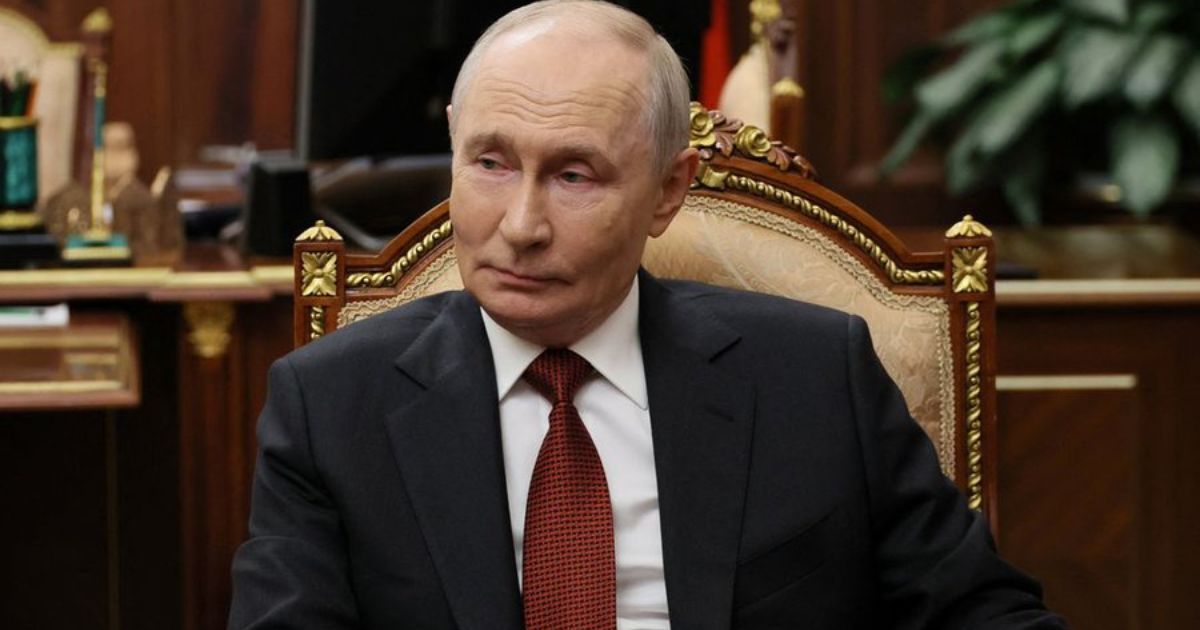
The Kremlin recently posted on YouTube a video of the president visiting one of the four principal islands, inspecting a fish-processing plant and tasting local caviar. The first meeting of a Russian head of state with the disputed territory since 2010.
In a swift response, officials from the Prime Minister’s Office of Japan strongly condemned the trip. Historically and according to international law, the islands belong to Japan, and the visit is absolutely unacceptable and offensive to the Japanese people, Prime Minister Sanae Takaichi said.
At the same time, the Japanese Ministry of Foreign Affairs summoned the Russian ambassador to make a formal protest. But Moscow outright denied the diplomatic complaint. “Politically inappropriate and legally dubious,” said a spokesperson for the Government of the Russian Federation, about the position of Tokyo and its overall foreign policy, as being “bordering on hostile.”
A spokesperson for the United Nations Secretary-General tackled the bilateral issue amid the constantly rising row and unrest in the diplomatic world. The international outfit called on both countries to be “restrained, responsible and refrain from any action that could further inflame “the situation” in the region”.
Geopolitical Tensions and Strategic Militarization
Since the start of the Ukraine conflict in full-scale mode in 2022, relations have hit rock bottom between the two countries. Japan followed the lead of the other members of the G7 countries and toughened their stance on Russia while supplying Kyiv with non-lethal military assistance. The Russian president has recently described Japan’s sanctions as unjustified, and that Tokyo is “unjustifiably treating Russia as an enemy and a military threat.
Sweeping security worries are also growing in the region. Japanese fighter jets have been scrambled numerous times due to increased joint naval and air exercises in the region by Russia and China. The Japanese Ministry of Defense (MoD) has recently released a white paper emphasising the new collective threat of Russia, China and North Korea.
The disputed islands themselves are of great strategic importance to Moscow. The islands have a population of about 20,000 Russian people, who have rich fishing grounds and valuable mineral deposits. For more than anything else, they offer significant military leverage.
After the Japanese were deported and interned at the end of the war (1945) in the midst of the Occupation, the Soviet Union and subsequently Russia kept a strong military force on the archipelago of 17,000 Japanese. The islands are now well armed with Bastion coastal defense missile systems, SU-35 fighter planes, and firmly under the control of Russia, who is able to command primary sea lanes in the region and has sent Japan a clear warning over the continuing sanctions.