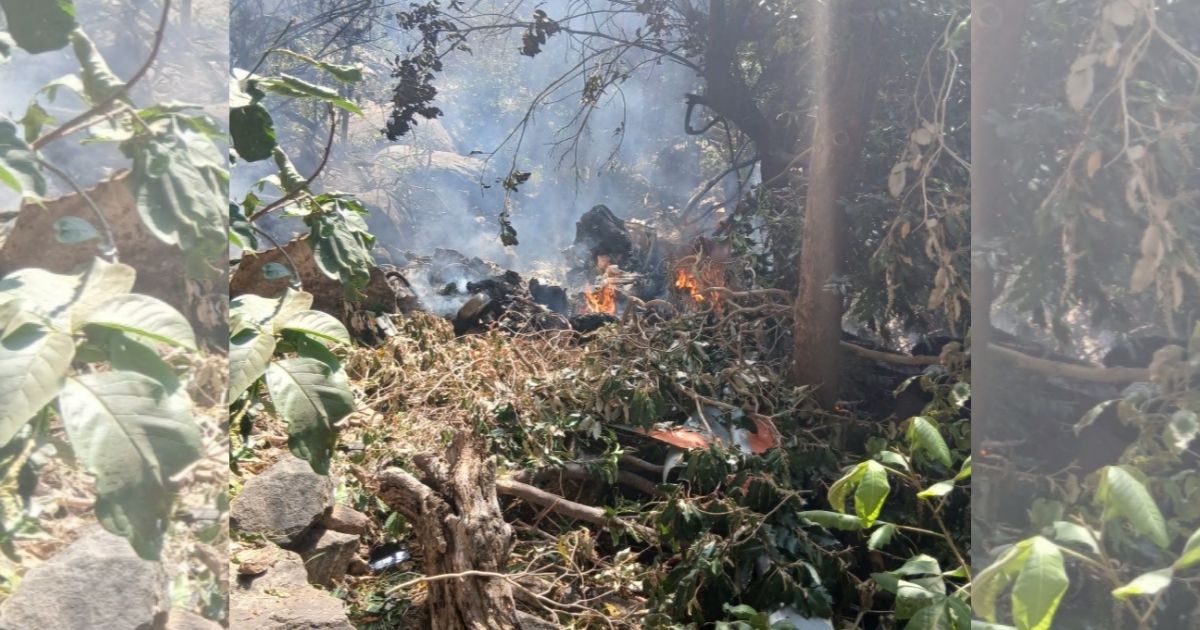
Israel and Turkey are at higher risk of conflict after an Israeli strike hit the Abu al-Duhur airbase in Syria. Israel said Turkey was putting its security in danger. Turkey, in turn, called the strike a careless act and condemned it.
The attack has drawn fresh attention to the shifting power struggle inside Syria, which sits next to both countries. Israeli leaders say they are more worried about what Ankara can now do in the region. They point to the year 2024, when President Ahmed al-Sharaa removed Bashar al-Assad.
Israel also claimed that Damascus was getting ready to let Turkish forces stay at the airbase long term. Israel’s Ministry of Defense said this would be a clear danger and a fast one, even after Israel warned against the plan.
Syrian Foreign Minister Asaad al-Shaibani rejected the Israeli claims. He said Syria had no intention of setting up a permanent Turkish base at the site. He added that the area was mostly vacant and not fully ready. He acknowledged that Turkish officers had visited the base in the northwest, but he said the visit was only for training and to share know-how.
Turkey’s Ministry of National Defense said it agreed with the Syrian version of events. Turkish officials stated that no Turkish military team was at the base before the shelling or while it was happening. The ministry also said it would keep backing Syrian work to build its own defense capability. It urged Israel to follow international law.
The disagreement had come up again before the strike. Reports say it was discussed a few days earlier on a rare call between al-Shaibani and the Mossad chief, Roman Gofman. After the attack, Israel’s defense minister, Israel Katz, told President Tayyip Erdogan to stop taking what he said were risky actions in the area.
Turkey is a NATO member. It borders Syria for about 550 miles. Turkey has also been deeply involved in Syria’s 13-year civil war. From Israel’s view, the worry about Iran is not the only issue now. Israel is also watching how Turkey deals with the new leadership in Syria. The new rulers are said to have good ties with the United States. Still, Israel is wary of them because of their earlier militant record.
Israel has carried out more than one strike in parts of southwestern Syria. It has also taken and held ground there. The stated goal is to protect Israel’s border areas and the Druze in the region. These tensions are now shaping Israeli politics at home. They are playing a role ahead of the October 27 national vote. Polls suggest Netanyahu may face a close contest. The race is said to be affected by problems that followed the Hamas-led attacks in 2023.
The situation has been getting worse, and the State Department is trying to put a workable deconfliction channel in place with the countries involved. Tom Barrack, the U.S. special envoy for Syria, said the Israeli strikes were not necessary and that they only made fighting more intense.
He also played down the risk of a sudden clash between Israel and Turkey. In his view, the airstrike did not kill people and did not wipe out major strategic targets.
Still, despite U.S. involvement, progress in diplomacy has not moved. Al-Shaibani said that a broad security plan had been discussed a lot during the last year. He added that Israel’s foreign ministry and its leadership later backed out, and the agreement never reached the point where it could start.