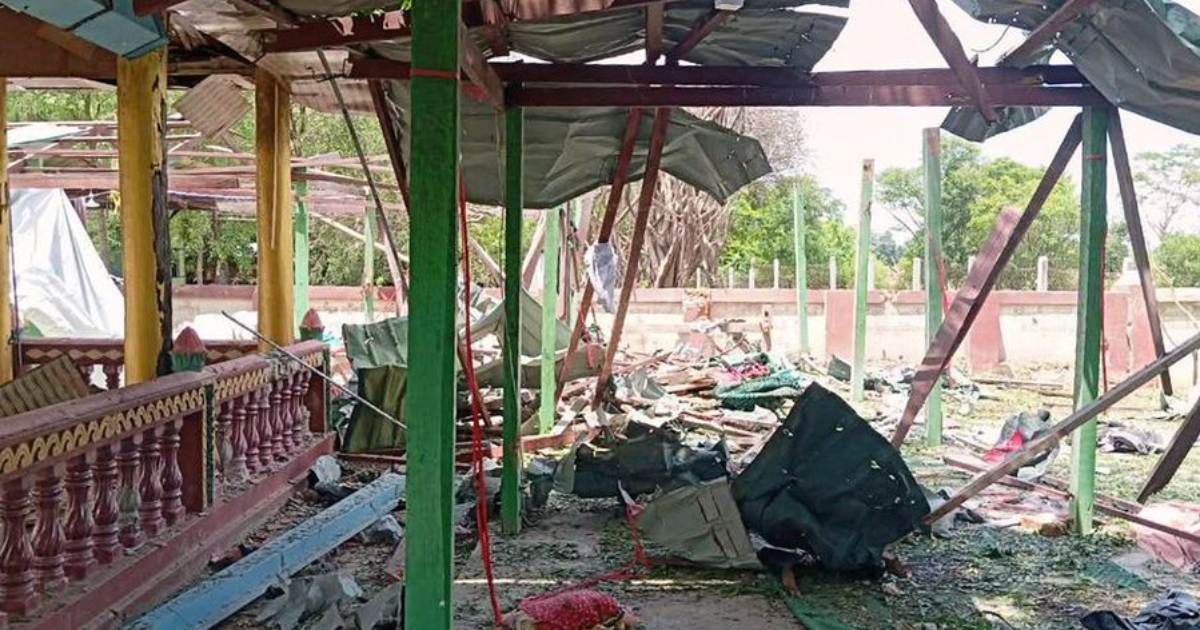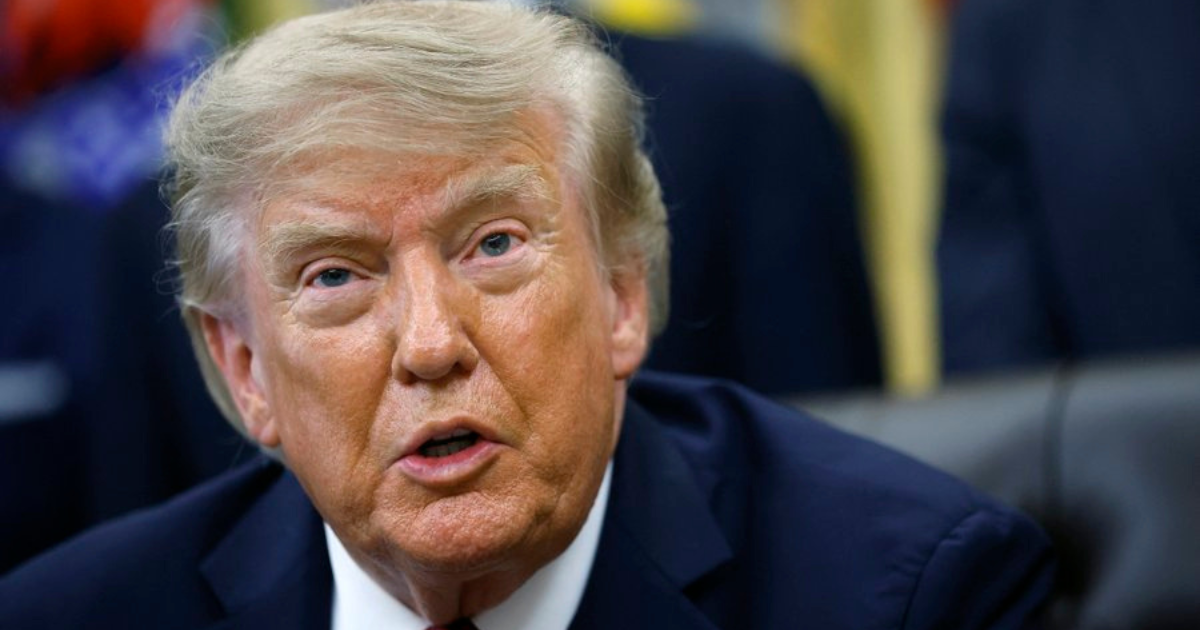
Iran has issued a strong warning that the next time the United States threatens it, it is going to respond in a harsh military manner. This is an assertive statement after Washington’s promise to impose “financially unprecedented sanctions” that are specifically aimed at ousting the current Iranian government.
The full details of these new sanctions will be released by the U.S. Department of the Treasury soon. America has made it clear that it will impose economic sanctions on any country that tries to give an economic lift to Tehran.
Major General Ali Abdollahi, the Chief of Staff of the Iranian Armed Forces, announced the Islamic Republic’s response would be wide-ranging and powerful, in response to the growing pressure. He stressed that the military is fully prepared to respond to any aggressive moves by any means with “crushing and punishing force” — “land, sea, air, and cyberspace.
The incendiary rhetoric comes amid an almost six-month-old war between the U.S., Israel, and Iran. Despite the war, Iran’s economy and conventional military have been severely affected, although it has considerable drone and missile capabilities that can be used to upset the stability of the region and commercial tanker traffic.
In the meantime, the White House is trying to deal with the domestic consequences of the unpopular war. The administration’s approval ratings have been battered by a variety of factors, including the rising cost of gasoline and an unfulfilled goal of breaking up Iran’s nuclear program.
Iran’s government is also conceding the serious tension at home. During his recent visit to neighboring Iraq, Parliament Speaker Mohammad Baqer Qalibaf pointed out that without the citizens’ hunger being met and production of national economy, military power would be unable to maintain the country.
Oil Markets Fluctuate as Global Maritime Risks Mount
Crude oil futures on the International Energy Market plunged immediately after the U.S. sanctions threat, thus increasing market expectations for tighter supplies of global energy. Treasury officials continue to be unchanging and have openly stated their desire to bring the Iranian regime to an end.
The new economic constraints have significant global consequences, especially for China, which imports over 80% of Iran’s exported oil. Chinese officials from the Ministry of Foreign Affairs of the People’s Republic of China have warned that heavy pressure and sanctions will not solve the root causes of the issues, and they urged resumption of diplomatic efforts.
Other threats hang over U.S. Gulf allies, such as desalination plants and other key energy installations that have been attacked by Iran in the past. Diplomatic efforts through the Islamic Republic of Iran and Oman’s ministries of foreign affairs are underway to find a way to resume free sailing in the Strait of Hormuz, but Washington is adamant against any deal that would charge a toll for ships to pass through the strait.
In recent times, NATO military chiefs held a video conference to discuss the threats facing the sea. Chiefs of allied defense forces met to coordinate their actions in the freedom of navigation in the waterway—marked global energy routes are in need of stabilization.