Iran has publicly claimed to be successful in resisting the new U.S. sanctions, which were expanded. Iran has made it official that it is confident of countering the new enlarged sanctions imposed by the United States. The defiant response comes after Washington’s declaration of an “economic D-Day” that was “specially crafted to sever Tehran’s ties with the world’s economy completely.
Iranian Economy Minister Ali Madanizadeh has stressed that his country’s economy is fully equipped to face the tough economic pressure. These savage economic policies were sure to result in a strategic setback for the United States, he assured, “over the long haul.
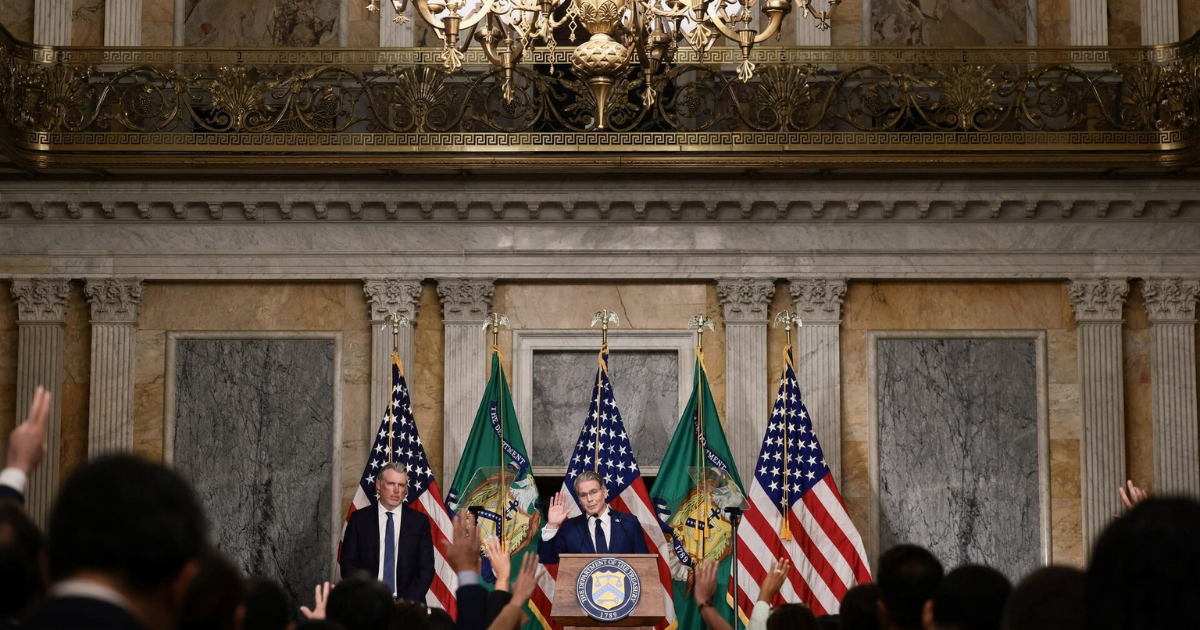
Treasury said it’s imposing a comprehensive suite of new economic sanctions against the Iranian regime. Treasury Secretary Scott Bessent said any country that is financially connected to Iran will be cut off. He also stated that global banks and commercial companies who conduct business with Tehran would be also isolated if they are not ready to immediately cut down relationship with Tehran.
The aggressive financial moves come after a number of policy changes and extended deadlines from the White House as the administration stumbles in its attempt to end the current conflict. Bessent said the sanctions are the biggest financial assault in history to cut off all avenues for Iran’s income. The new edicts are for five areas: digital assets, technology, gold, aviation and shipping, and approve nearly 60 entities and ships.
But, international economists have doubts about the effectiveness of the sanctions as a whole. The true effects will be very dependent on how the key Iran trading partners respond. Other strong powers are resisting American pressure while the United Arab Emirates Government announced a complete ban from all kinds of financial transactions with the country.
Soon after the statement by the Americans, Iranian authorities reaffirmed their trust in maintaining international trade. China and Russia have not accepted the unilateral measures, said Madanizadeh. He said the Iranian government has a blueprint to deal with these events over a two-year period, and has the means to deal with the growing sanctions.
The Iranian position was quickly supported by the Chinese government. The Chinese Ministry of Foreign Affairs strongly condemned the ‘illegal unilateral sanctions’. A ministry source pointed out that the economic pressure tactics are not practical to solve complex problems of geopolitics, and Beijing will continue to protect the national interests of its own country and keep maintaining business ties with Tehran.
The standoff is affecting energy markets worldwide. Iran threatened to close all the oil exports from the region if the war goes on, in response to the new threats by the Americans. Commercial vessels have been warned not to pass through the Strait of Hormuz, a route through which one-fifth of the world’s oil and gas is normally transported, unless granted explicit permission, by the Iranian military.
This successful maritime blockade has helped to push oil prices up around the world, and the price of Brent crude is now $92 per barrel. The increases are driving high inflation in the U.S. at home, as gasoline prices stay above $4 a gallon, and are a big worry for voters ahead of the November midterm elections.
Even though some financial analysts argue that China buys most Iranian oil and often ignores one sided embargo claims, the State Department and Treasury officials in the U.S. still keep a tough stance. U.S. diplomats keep reaching out to leaders around the world. They ask that talks and deals with the Iranian government stop. They also stress that the administration means it and that it will act fast to push countries to follow the rules.