Following a week of heavy regional diplomacy with Omani and Pakistani officials, Qatar’s Prime Minister and Foreign Minister Sheikh Mohammed bin Abdulrahman Al Thani recently went to Tehran. In the high-level meeting, the Iranian Foreign Minister Abbas Araghchi was consulted by leadership in Qatar about de-escalating tensions and reopening the much-contested Strait of Hormuz.
The talks were dominated by regional security and operational mechanisms for the importance of the waterway, said the Ministry of Foreign Affairs of Qatar. The Qatari government stressed that dialogue and respect for freedom of navigation, as per international law, continues to be the best means to resolve the prevailing geopolitical situation.
The diplomatic efforts are in addition to the current negotiations being handled by the Islamic Republic of Iran’s Ministry of Foreign Affairs. Iran has been actively working on an agreement with Tehran for a temporary shipping corridor and the launching of extensive mine clearance work in the area.
Meanwhile, the United States is stepping up its “economic asphyxiation” of Tehran in general. The U.S. Department of the Treasury has warned to expand secondary sanctions against any governments, commercial banks, or private companies that do business with the Iranian government.
The war has made it difficult for Iran to continue providing itself with its own energy supply, and the tight U.S. naval blockade puts an added constraint on Tehran’s capacity. Iranian Vice President Mohammad Jafar Ghaempanah recently admitted the blockade has made it difficult for Iran to import enough petrol to meet the gap between its domestic supply and demand.
The shortage of this fuel has resulted in long queues outside petrol stations all over the country and has forced the Government officials to review the country’s highly subsidized petrol quotas. Iran’s negotiators are defiant in the face of rising pressures at home, high inflation and a waning currency. Washington’s restrictions have been labeled “failed policies,” and the situation in the capitals has been publicized as an all-out economic war by officials.
Keeping the Strait of Hormuz safe and secure relies heavily on these vast economic controversies. The Omani Ministry of Foreign Affairs is still trying to come up with the technical side of the maritime negotiations with Iran about the distribution of the waters and the option for payment of passage; however, according to Oman’s maritime talks the territory will remain closed until the U.S. meets certain conditions. These basic requirements involve ending the sea blockade, releasing foreign funds, and abolishing oil sanctions permanently.
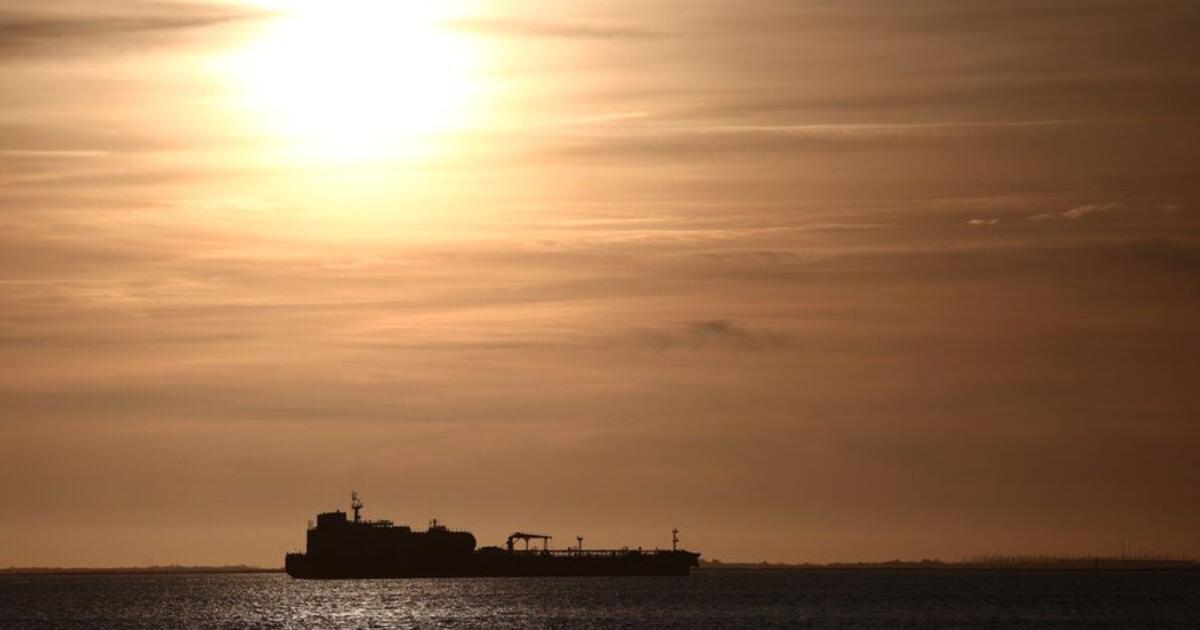
Meanwhile, the maritime security environment is very dynamic. Regional authorities and the United Kingdom Ministry of Defence are also continuing to monitor heavy marine interests, and recently confirmed that a ballistic object hit a commercial shipping vessel while it was passing through the strait, resulting in a partial fire and an emergency response team extinguishing the blaze.