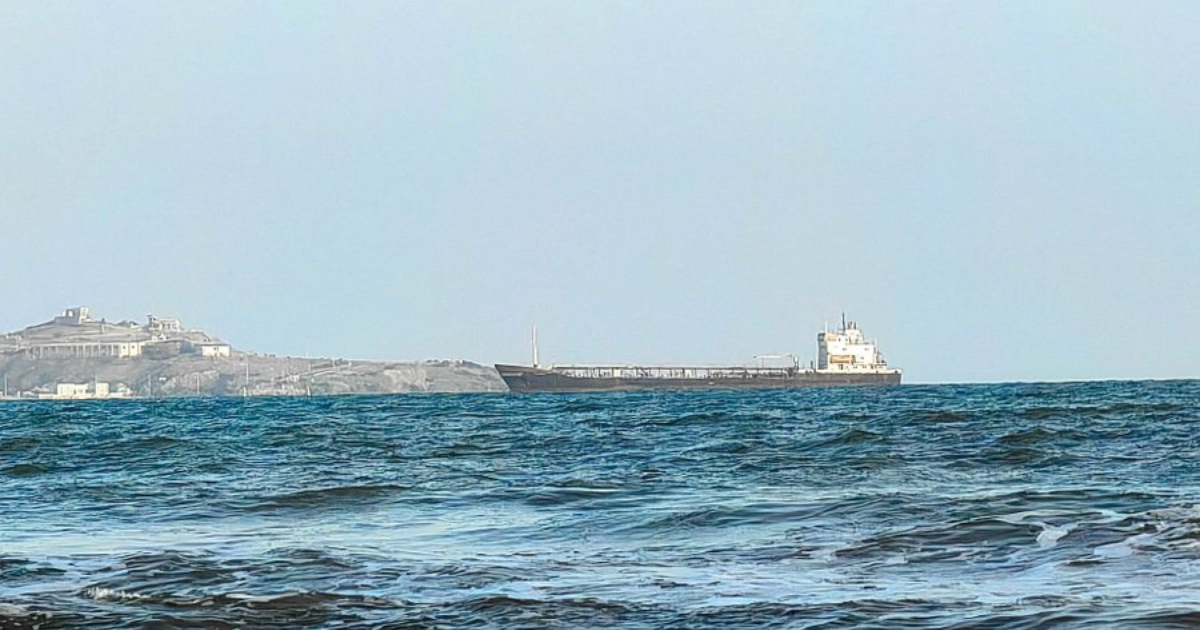
Iran and Oman have agreed on initial terms for the location of a navigable shipping route in the Strait of Hormuz in the Persian Gulf. The move is a major step toward reopening the vital waterway and towards the possibility of ending the seemingly endless conflict between Tehran and Washington.
According to a spokesman for Iran’s foreign ministry, Esmaeil Baqaei, the deal is on the final stages. He, however, warned that the navigation could not be guaranteed completely while the U.S. navy continues to block Iranian ports.
This key waterway is still not open and hinders ongoing peace talks. The proposed deal would allow Iran to control inbound shipments in the waters, which has been an area where U.S. negotiators have been adamant against Tehran, said a senior Iranian source.
In the meantime, Iranian Deputy Foreign Minister Kazem Gharibabadi said the agreed road with the Foreign Ministry of Oman is a temporary one which will remain valid for two to four months. He further said Tehran won’t tolerate any foreign presence in the strait.
There was another report recently from a transiting oil tanker of explosions which it heard near the Omani coast without injury to the vessel or crew, a reminder of the continuing instability in the region.
Threats of Retaliation and Stalled Military Strikes
Although some diplomatic steps have been taken, Iran has vowed to attack energy facilities in the Persian Gulf if the U.S. continues with further military action. Iranian Foreign Minister Abbas Araghchi called on the regional leaders including the Government of Saudi Arabia to advise the U.S. president not to attack again.
The Iranian alarm was clear and applicable to regional energy plants, refineries, electricity grids, water systems and transport systems. The Saudi crown prince directly appealed to the American president to seek a ceasefire rather than continued action, in response to the increasing rhetoric.
The rivalry between Tehran and Jordan flared up before, with Tehran even surprising a military base in Jordan where three American soldiers were killed. The U.S. in turn, retaliated with a strong barrage of bombings on Iranian positions.
The White House has backed off threats to an even more severe strike, however, because of its desire to quickly end a peace deal. According to media reports, the decision to end the strikes was driven by concerns over missile and interceptor stocks being dangerously low that were expressed by the U.S. Department of Defense, though U.S. officials have publicly called the claims “fake news.