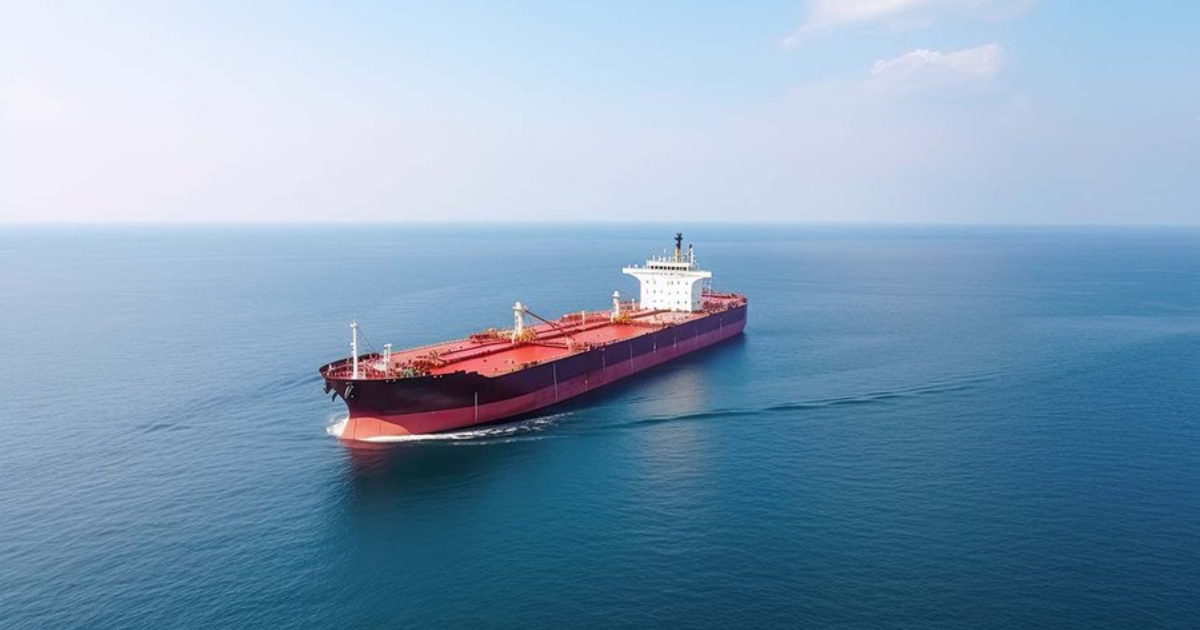
The Houthis, who are backed by Iran, took responsibility for military attacks on two Saudi oil tankers on Thursday. This attack marks a new naval blockade of Saudi Arabia in the Bab el-Mandeb Strait, possibly a second significant choke point in the world’s oil supply chain, following Iran’s ongoing occupation of the Strait of Hormuz.
These synchronized strikes have led to major disruption in international shipping and high inflation rates around the world. Five tankers have changed their course to evade the Red Sea on Wednesday, and three more freighted with Saudi oil to Asia had to make a U-turn as soon as they were warned of the danger.
The Houthis said they identified the ships targeted as the Encelia and the Layla. Maritime security sources said the Encelia sent out a distress call when it was hit by an unidentified object near Jizan port in Saudi Arabia. Saudi oil recently got rerouted to the Red Sea port of Yanbu, which would not traverse the Strait of Hormuz. If this route is also closed down, vessels will have to make weeks-long, expensive detours around the Red Sea.
Escalating Military Strikes and Regional Fallout
In the ongoing shipping crisis, the U.S. Central Command announced yesterday that U.S. military forces had conducted a 12th straight night of strikes against Iranian targets. These continuous activities are designed to weaken Tehran’s capacity to pose a threat to international shipping.
President Donald Trump further upped the ante in his rhetoric on Wednesday, threatening to “destroy an Iranian power plant or a bridge” for every time Tehran targets a ship in the Strait of Hormuz. In response, Iran’s joint military command threatened to “decimate” regional energy infrastructure and block all Middle Eastern oil exports if the U.S. goes ahead and strikes on its infrastructure.
Iran’s Revolutionary Guards, in turn, later claimed to have detected an explosion in the Strait of Hormuz and that it is now saturated with mines, closed and firmly in the hands of the Revolutionary Guards. Moreover, Iranian troops have proven their ongoing strike prowess with their attacks on key desalination and energy facilities in Kuwait and against American military installations in Bahrain and Jordan.
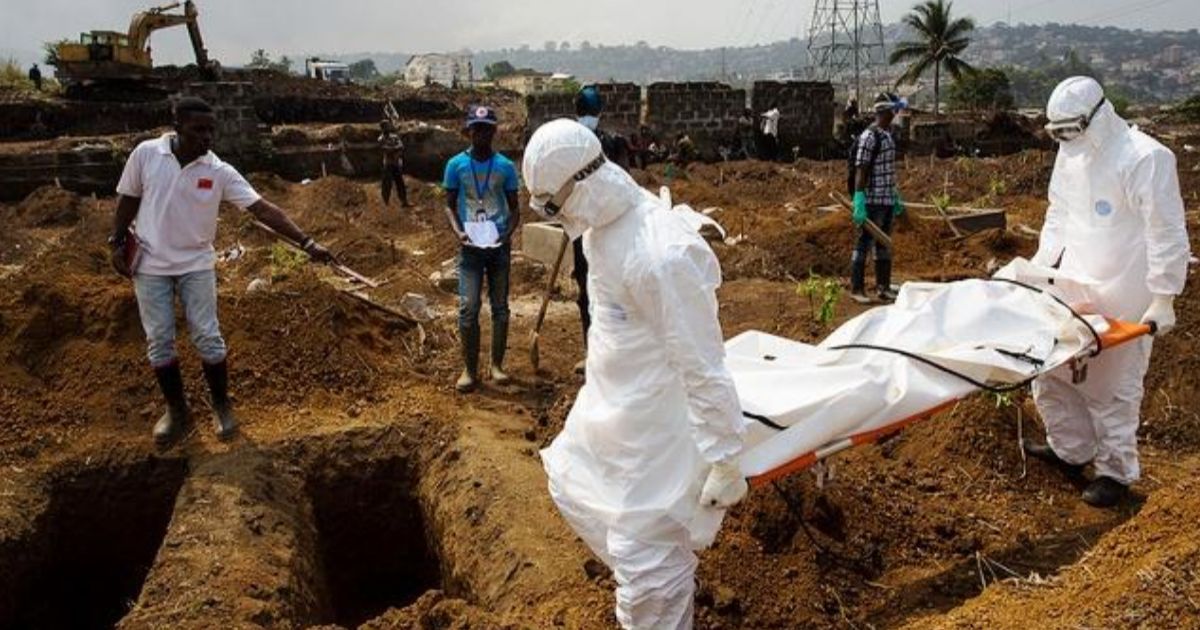
Human suffering has continued to mount on both sides of the conflict. Since late last month, Iranian health officials say 53 civilians have died and almost 600 injured. The U.S. military has said it will never target civilians, abiding by the United Nations Geneva Conventions, but Trump has publicly threatened attack of civilian infrastructure if it is being used for military purposes.
The U.S. Department of Defense says that 18 American soldiers have died and more than 450 have been wounded in the war. The President watched a solemn, dignified exchange ceremony at Dover, U.S. Air Force Base on Wednesday for four who died in the Middle East in Jordan and Iraq recently, describing it as “one of the most difficult tasks of my Presidency.
Later in the evening at another rally in Georgia, however, Trump adopted a tone that sharply contrasted with the mounting fatalities, expanding conflict zones and massive disruptions to the global economy, calling the ongoing war a “skirmish.