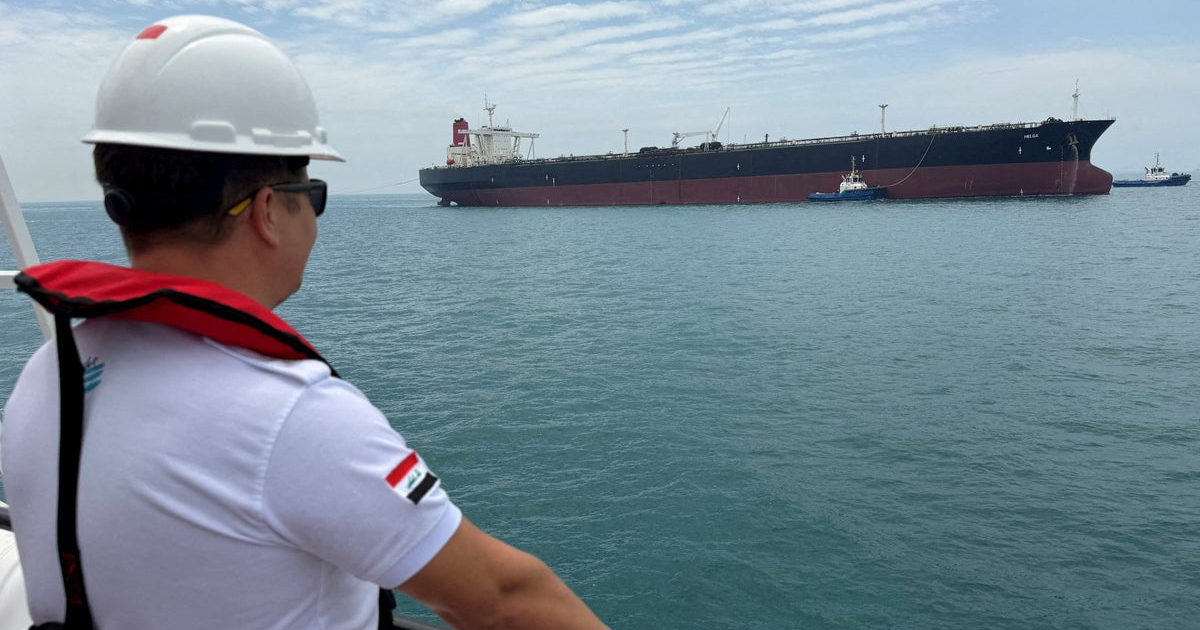
Gradual resumption of commercial traffic through the vital Strait of Hormuz has pushed the price of oil to official levels since before the Iran war. International benchmark Brent crude briefly moved down from $72.48 a barrel, the price it had sold at prior to the attacks by the US and Israel on Feb. 28, before settling around $73.23.
This major drop in price comes after a Memorandum of Understanding (MOU) agreement was signed by the US and Iran on June 17. The pact set up a 60-day deadline for negotiations on Tehran’s nuclear program and other steps to resolve the conflict. After talks in Switzerland the weekend, the US also decided to ease sanctions on Iranian oil exports.
Restoring Maritime Trade and the Push for Cheaper Fuel
The activity on the sea is gradually recovering in the area. 284 ships carrying crude oil, LNG and fertiliser have passed through the Strait successfully since the MOU was signed. Although this is a significant step up it is still far short of the pre-conflict figure of 138 ships/day, with hundreds of vessels still queuing in the Gulf.
In order to make it safe, mediators Qatar and Pakistan facilitated a direct communications line between the US and Iran. At this time, ships are using a northern route through Iranian waters and the US naval forces are guiding ships on the southern route through the waters that are free of maritime mines. Yet experts in economics and finance point out that the world markets are still extremely volatile and that if there is again some escalation, oil prices can once again be on the rise very rapidly.
At the consumer’s end, focus is on the rate at which these declining crude prices will work their way through the supply chain to pump prices. British motorists may soon have to budget less for petrol (and even for diesel) as the UK motoring group RAC predicts both will soon drop below 150p per litre. The average price for regular gasoline in the U.S. has fallen to $3.93 per gallon from a high in April but is still slightly above pre-war averages.
The US President recently initiated an investigation into major energy firms including Shell and ExxonMobil due to sluggish downward trend in retail fuel prices and claimed they are “price gougers”. The industry, on the other hand, defended itself, with the American Petroleum Institute saying that consumer fuel prices don’t always rise and fall in tandem with crude oil prices.
Likewise, the UK’s competition watchdog is probing British energy companies last month for similar charges. No widespread evidence of unfair price hiking was found by the agency, however, and average profit margins were unchanged overall during the conflict.