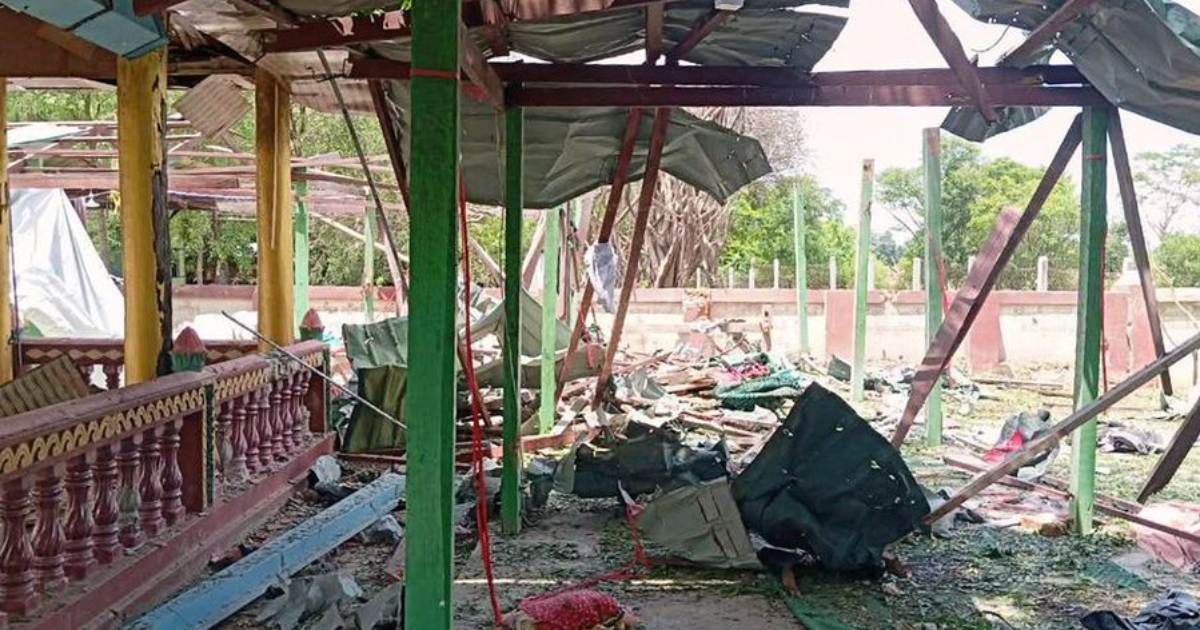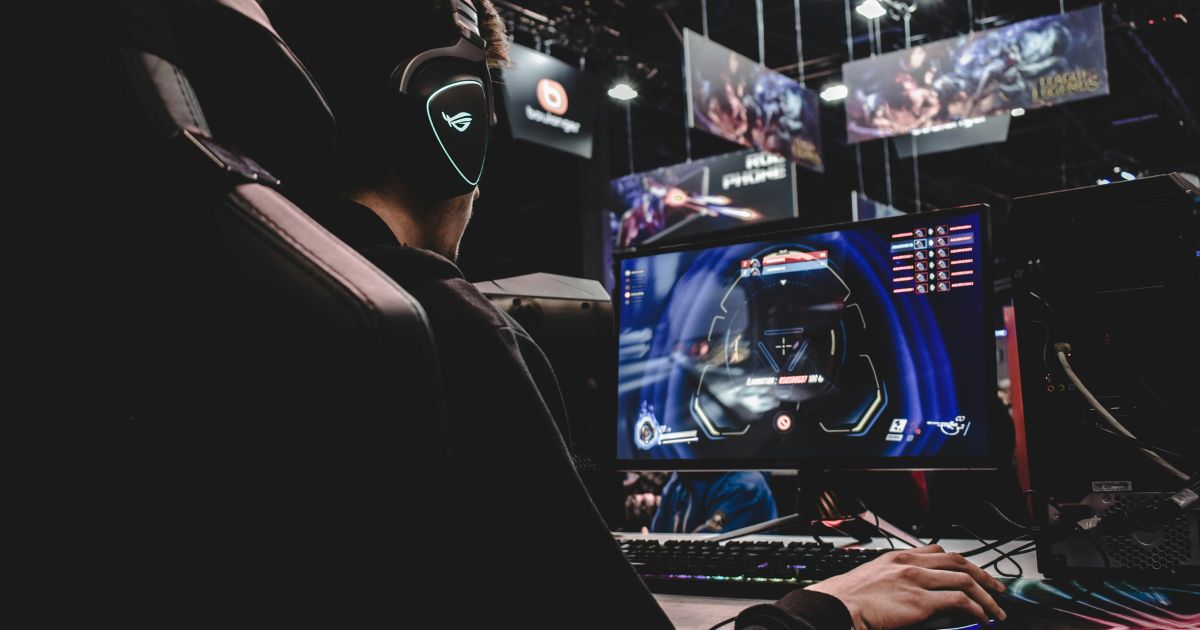
After a deadly shooting in Zamboanga City, Interior Secretary Jonvic Remulla urged Congress to introduce tough laws to keep kids away from violent video games and social media websites, and what he called a “radicalisation factory” in these virtual environments is threatening young Filipinos.
According to the internet, radicalisation is: The adoption of extreme shifts in opinions, practices, states or circumstances. It’s a gradual process, which can take months or even years. According to the report Manila Bulletin published on April 16, in which seven children were rescued from online grooming, the radicalisation process has been going on for approximately five years.
The Zamboanga City suspect’s devices are still being analysed, and police are convinced that the attacker was heavily influenced by the popular online platform Roblox.
Remulla explained that while Roblox itself offers users the ability to create and publish games, such as shooter games, the main risk lies with the accompanying communication capabilities. Unmonitored chat rooms are breeding grounds where “extreme peer pressure and radicalisation” can happen,” he said.
The topic of this issue has received much attention from legislators. Earlier, Sen. Risa Hontiveros warned about extremist groups such as “764” that allegedly recruit and sway young people into taking violent action through gaming websites and social media.
Violent video games as a cause of violence is not “scientifically” sound, according to Polygon, a gaming and entertainment news site, in 2020. “Violence is a complex social problem which may have several causes that deserve study by researchers, policy makers and the public and that shouldn’t be ignored because of the blame being laid at video games. Video-game violence cannot be blamed for violence because that is not a scientifically valid conclusion”, Sandra L. Shullman, PhD, president of the American Psychological Association, said in a report.
Beyond the platforms, Remulla recommended that the Philippines move for restrictions on social media for minors, drawing parallels with Australia’s ban on social media for those below 16.
Child rights activists, however, are not saying that a blanket ban is the answer, but are using their efforts to create regulations. The group noted that, despite having access to the Internet, children and teenagers are smart enough to get around bans. The group also noted that a ban on social media will likely only block the more popular platforms, leaving children and youth exposed to other social media platforms that they could find, unknown to adults, to be far more dangerous and completely unregulated, which could lead to grooming and radicalisation risks. You can read about that report here.
“But a single legislative move will not solve the problem, ” he warned.
Multi-layered approach: Regulating digital platforms is part of a complex solution, Remulla said, noting that school shootings are very rare in the country.
Effectiveness issues: The proposed model is now subject to debate, with recent assessments suggesting that there are not yet enough data to demonstrate that Australia’s measures have significantly affected the online behaviour of young people.
To cap this off, here’s another article published by the Manila Bulletin that talks about a social media ban from a teenager’s point of view.