At least 169 people have died, and hundreds more have been injured in Colombia after a devastating earthquake hit the nation.
Rescue workers will continue to search collapsed buildings and areas damaged by the earthquake in search of survivors, which may increase the death toll. At least 900 people are reportedly injured, and emergency personnel are trying to access communities with roads and infrastructure damaged.
The quake had a magnitude of 7.4, and it was located at a depth of approximately 103km at 07:34 local time. The epicentre was near San José del Palmar (Chocó province). A large region of Colombia experienced strong shaking, and shaking was also felt in neighbouring countries.
Cities Among the Worst Affected
In several cities, people lost their lives, and damage to structures was reported. Cali was one of the worst affected regions, with scores of fatalities reported. Pereira and Manizales suffered heavy losses as well.
Videos from affected areas showed buildings damaged and collapsed, with debris and dust scattered on the streets. People reported very strong vibrations, walls cracking, and objects falling from buildings and houses.
Several regional airports were also damaged by the earthquake, such as airports in Pereira, Manizales, Quibdó, Armenia, Cartago and Buenaventura. There were some sections of the roads damaged in certain areas, hampering the efforts of emergency responders to access affected communities.
Damage Reported Across a Wide Area
The earthquake was intense enough to be felt in the epicentre and hundreds of kilometres away. In Bogotá, trees were said to be shattering and traffic lights shaking, and some buildings were cracked. But immediate damage to the city’s infrastructure wasn’t reported.
There was also shaking felt outside of Colombia, in Venezuela, Ecuador and Panama.
Some of the effects normally seen in shallower quakes may have been less because of the depth of the earthquake. But even deep earthquakes can lead to significant structural damage due to the way energy radiates from the earthquake into the ground.
Rescue Operations Underway
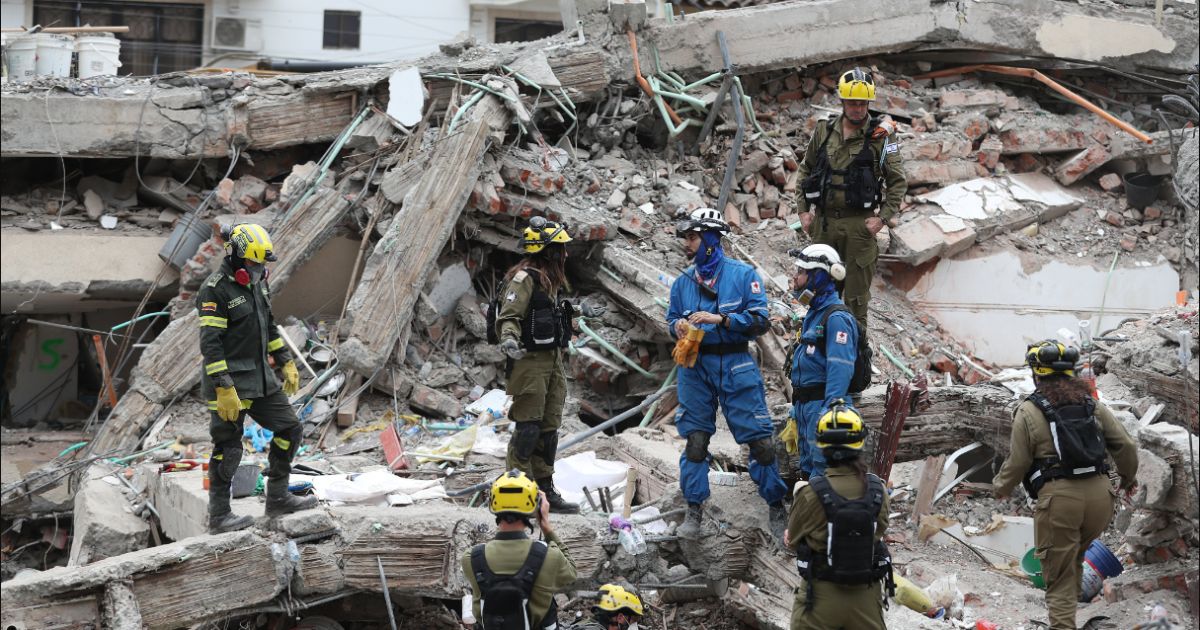
Rescue and relief efforts have been scaled up as emergency personnel are trying to gauge the extent of destruction. Search teams have concentrated their efforts on places where people could be trapped under buildings.
The government has declared a national disaster situation, enabling the authorities to draw on additional resources and restructure emergency expenditure in response to the disaster and while conducting rescue and recovery operations.
Roads, buildings and, in some instances, transportation infrastructure have been damaged, creating challenges for emergency services.
International Support
The disaster has prompted messages of support and offers of assistance from countries and international organisations.
Satellite images and other resources are also being utilised by international organisations to assist in the identification of damage zones and in the rescue effort.
Search for survivors, Medical Aid to the injured and aid to the victims of earthquake needs to be carried out.
The number of casualties and the extent of damages is expected to be different because the assessment process is still ongoing. The rescue and relief efforts will continue until all affected areas have been attended to.