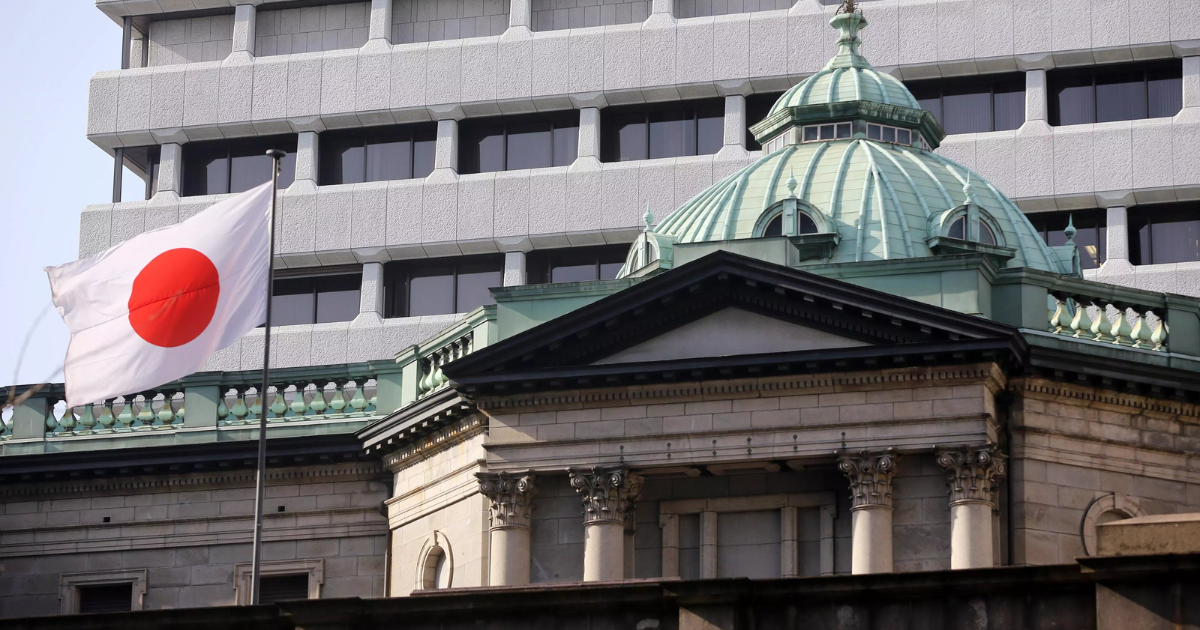
A quick read of the Bank of Japan (BOJ) April policy meeting, sort of shows a more hawkish mood building up among the policymakers. With inflationary pressures still feeding in from the ongoing Middle East conflict, a number of board members pushed the idea that they should hike interest rates soon, maybe even by June, depending how things land.
Growing Consensus for a June Rate Increase
While a minority of the nine member board wanted to leave rates steady, due to geopolitical uncertainties and all that, the prevailing vibe kind of, strongly leaned into tightening monetary policy. The BOJ officially kept its short-term policy rate at 0.75% in the April 27-28 meeting, but three members, they were really pushing for an immediate hike right away.
One board member said, a rate increase is highly probable from the next meeting onward, no matter how the geopolitical landscape turns out. Another policymaker added that unless the Cabinet Office of Japan reports clear, undeniable evidence of an economic slowdown, the central bank should raise rates without hesitation, to fight inflation and keep things contained.
That hawkish stance didn’t just sit there. It hit financial markets immediately, pushing the benchmark 10-year government bond yield to a 29-year high, which is a key number closely tracked by the Ministry of Finance. Because of this, most market analysts now expect the central bank to carry out its next rate hike at the June 15-16 policy meeting.
Inflationary Pressures from the Middle East Conflict
The main catalyst behind this swing in monetary policy is kind of the economic fallout from the conflict that involves Iran . At the same time surging global energy prices are, yes, fueling domestic inflation and essentially pinching Japan’s economy , which depends a lot on imported fuel, handled through the Ministry of Economy, Trade and Industry (METI) .
In the April discussions, the policymakers seemed to focus nearly all of their attention on the upside risks to inflation that come from these geopolitical , supply-side frictions . Several members cautioned that higher oil prices can set off second-round effects, meaning the cost of all kinds of everyday consumer goods could rise, and the path for underlying inflation to sustainably reach the bank’s 2% goal could end up arriving earlier than expected.
Since Japan wrapped up its decade-long, massive stimulus program earlier this year , Governor Kazuo Ueda has repeatedly indicated a willingness to keep tweaking interest rates . Now as the country tries to absorb these rising costs for raw materials and labor, regulators such as the Financial Services Agency (FSA) will be watching market stability in a pretty close way , more broadly.