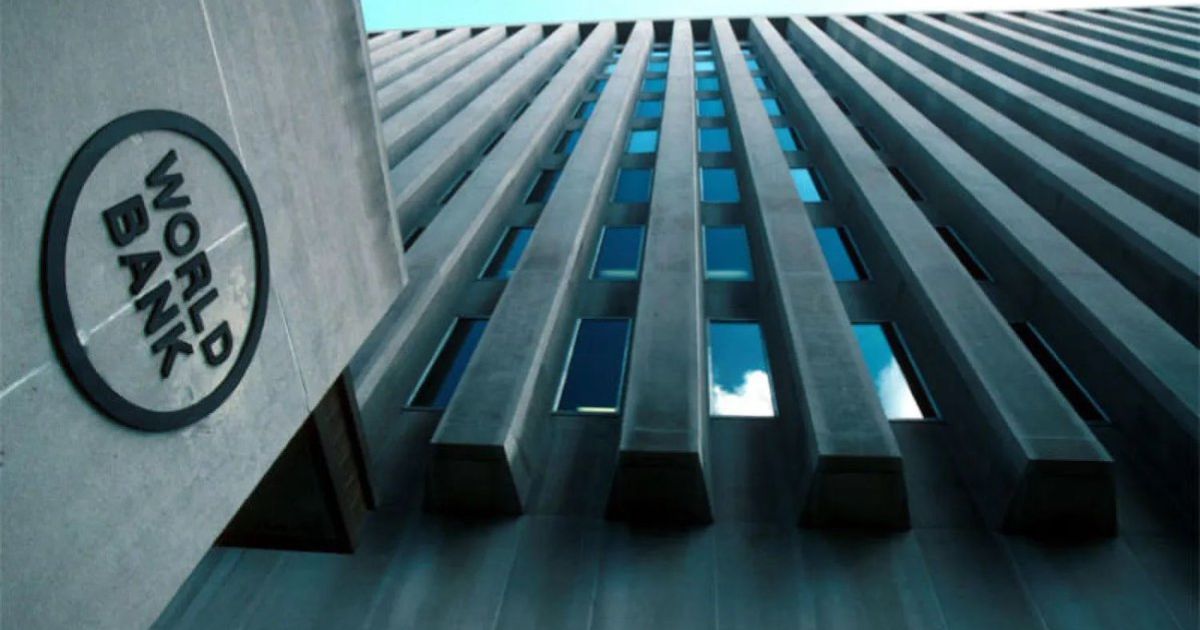
A new Mission 300 Private Sector Council was established by the World Bank Group, African Development Bank and The Rockefeller Foundation to harness the billions of dollars of private investment required to bring 300 million Africans to electricity by 2030 and open employment opportunities throughout the continent.
The fourteen leaders representing various sectors will contribute to the strategies of crowding in capital and deal-making capacity, maximising economic transformation, and scaling up catalytic finance platforms- particularly to local currency- in order to accelerate commercial investment that can be used to both access energy and create jobs. Makhtar Diop, managing director of International Finance Corporation, part of the World Bank Group, and Ray Chambers, Chair of the MCJ Foundation, will be Co-Chairs of the Private Sector Council.
“The success of Mission 300 lies in its ability to attract large-scale mobilisation of private investment and adoption of strategies that are informed by businesses that have experience in the energy sector in Africa,” according to Makhtar Diop, managing director of IFC. “That is precisely what this council offers: senior leaders who have the networks and know-how to turn ambition into impact.”
The World Bank and African Development Bank have a program called Mission 300 with the assistance of The Rockefeller Foundation, Global Energy Alliance for People and Planet and Sustainable Energy for All to provide access to electricity to 300 million people in Africa by 2030- and to help generate more employment.
In Africa, almost 600 million individuals do not have access to electricity. The magnitude, pace and amount of investments will be needed like never before to close the gap with a greater involvement of the private sector. The World Bank Group members have pledged to support the investment by the private sector through IFC and MIGA to the tune of 5 billion and achieve this by 2030 under the mission 300.
Since the start of the mission of 300 in 2024, 44 million people have been connected to electricity through the initiative. Energy compacts have been signed by 30 countries, and they have attempted to increase infrastructure, regional integration of power, adoption of renewables and increased investment by the business sector.
The introduction of the Mission 300 Private Sector Council is an important action that will open the door to the scale and pace of private investment required to meet the target of Mission 300, considering that approximately 50 per cent of the energy compact investments will be attracted to the private sector, the invitation of captains of the private sector to join the mission 300 will create more links between the policy reform, catalytic finance, and bank.
The council will be based in the secretariat of the Rockefeller Foundation public charity, RF Catalytic Capital (RFCC), which will convene quarterly.
According to Andrew Herscowitz, CEO of the Mission 300 Accelerator, “half of all the electricity connections will be off-grid solutions, and the private sector is essential to scale up off-grid energy options and meet the aim of Mission 300. The Mission 300 Accelerator is looking forward to collaborating with the IFC, African Development Bank and our Private Sector Council to make sure we can make commercial investments and transform lives.”
The members of the Private Sector Council are the following companies: Airtel Africa Plc, Delta40, DLO Energy Resources Group, Elsewedy Electric, EQT Corporation, GOGLA and Meridium.
Others include Sahara Power Group, Scatec, Husk Power Systems, Total Energies, The MCJ Amelior Foundation, Standard Bank, and Zhero.