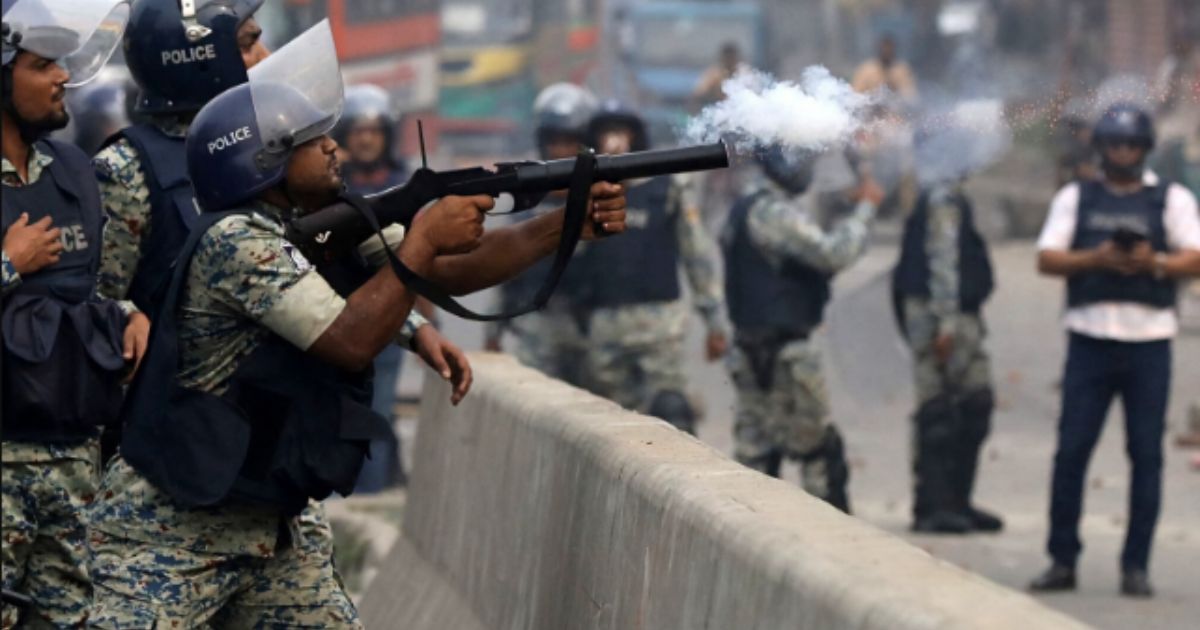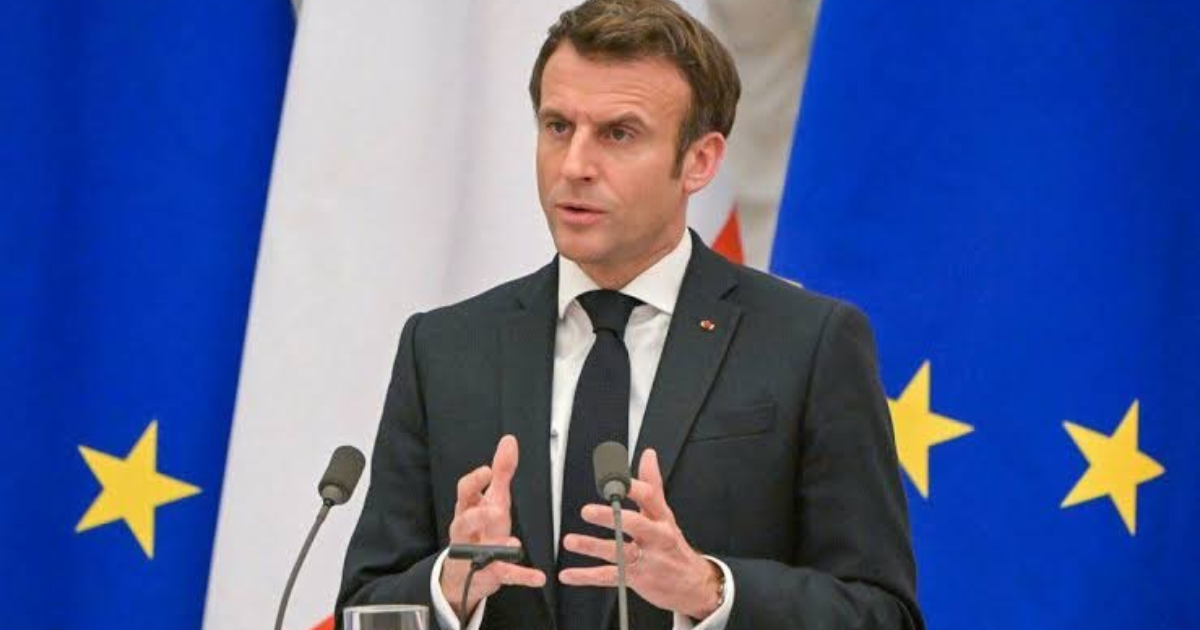
This month, 10 European countries will send 2,800 soldiers to Poland for a first-of-its-kind exercise of a new multinational force to assist Ukraine. The Multinational Force – Ukraine (MNF-U), with the United Kingdom and France at its helm, will be a non-offensive force and will only be deployed after a formalised ceasefire agreement with Russia.
The MNF-U is an independent organization, with an operational headquarters in Paris and limited participation of the United States, and was created in 2025. The force’s mission is to protect Ukrainian airspace, help rebuild the local military forces, and allow the Black Sea economy to recover, according to the two Ministries.
It is expected that the military exercise, code-named “Koalicja,” will take place in a 100-km radius around the town of Nowa Deba in southern Poland, about 100 km from the border with Ukraine. France would be sending the biggest contingent, 1,100 soldiers, to the training grounds run by the Ministry of National Defence of Poland while the UK would be pushing 300 soldiers to the same region.
The first exercise was a significant step in the MNF-U’s capability to deploy the land, sea and air components immediately after the onset of conflict. British Lieutenant General Tom Bateman and French General Armel Dirou, the co-leaders of the operation, stressed that it is neither a show of force against Moscow nor a peacekeeping mission or ceasefire monitoring mission.
Rather, the Belgium, Estonia, Germany, France, Lithuania, the Netherlands, Poland, Spain, Sweden and the UK will be dedicated to logistical coordination and cross-cultural integration. The main tools troops will use are light equipment like anti-drone and self-defence systems, and heavy weaponry and tanks will not be used unless there is absolutely no alternative.
The ground exercises will go on as planned in Poland, while the Ministry of National Defense of Turkey will coordinate a parallel maritime simulation from Istanbul. The naval part will help to test the readiness of the coalition in the event of mine-clearing operations in the Black Sea, which is important for the long-term economic recovery under the Ministry of Defence of Ukraine.
These exercises contribute to a well-trained, international support mechanism that is ready to help Ukraine as soon as the fighting stops, and come as the war enters its fifth year with no substantial breakthrough.