Yemen’s oil prices reach new six-week peak on Tuesday as Houthis attack Saudi energy sites. Oil installations were set ablaze and over 70 people were injured in four southern Saudi cities in the strikes, which could severely escalate the Middle East conflict.
After the attacks, Brent crude futures were up 0.9% to $97.92 a barrel, while U.S. West Texas Intermediate (WTI) crude futures were higher by 1.7% to $93.03. The bounces sent both global benchmarks into technically overbought readings, with the price of both grades setting a new close high since July. Saudi warplanes struck Houthi sites in Yemen’s Jubah district and Taiz province in quick response in the wake of the shooting, further undermining the country’s peace talks being closely monitored by the Office of the Special Envoy of the Secretary-General for Yemen.
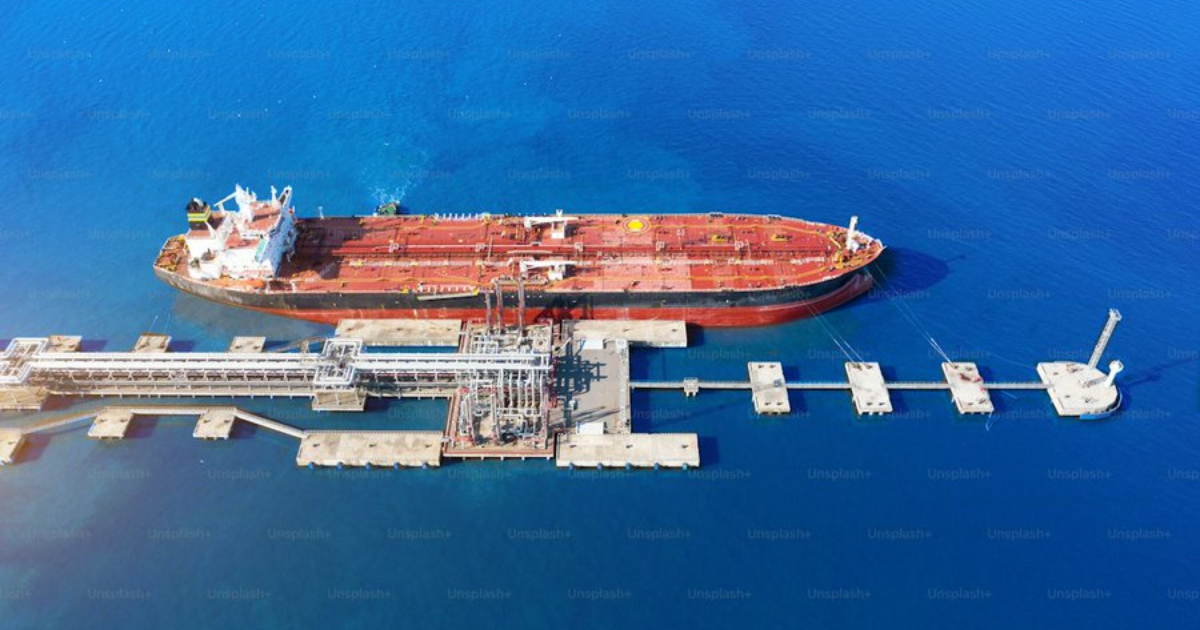
War in the region has severely affected Gulf oil exports since late February. Saudi Arabia, the second largest oil producer after the U.S., as measured by production rates tracked by the U.S. Energy Information Administration, had been bypassing the Strait of Hormuz by sending oil west by sea through the Red Sea, in response to constant threats there. But Tuesday’s unprecedented strikes could have an impact on these alternate supply routes. The number of ships carrying various goods able to transit the Strait of Hormuz fell to seven on Monday, down from 20% of global oil flows that once passed through it. The shipping data, reflecting IMO data, showed that the number of ships carrying goods in transit dropped to seven in the Strait of Hormuz on Monday from 20% of global oil supplies.
As the energy crisis grows worse, Wall Street pundits have begun to change their long-term market projections. Big financial firms are predicting that Middle East shipping disruptions will continue well into 2027. Oil futures, meanwhile, slowed their rally, as concerns grew over the possibility of record-high fuel prices driving up global inflation. This broad-based economic contraction may push central banks to take quick action to increase interest rates, which would slow down economic expansion and reduce the demand for energy in the long term. That is because traders are now pricing in an 80% probability that the Board of Governors of the Federal Reserve System (the Fed) will hike rates again in the near future, due to strong U.S. jobs data and continued inflation.
Eastern Europe’s geopolitical changes are also affecting crude futures. The price of the oil changed only marginally after President Donald Trump told Russia’s Vladimir Putin he was looking for a “prompt conclusion” to the Ukraine war in a phone call. The price of the oil ticked up a bit after President Donald Trump told Russian President Vladimir Putin he is seeking a “prompt conclusion” to the Ukraine war, diplomatic exchanges later confirmed by The White House. By ending the war quickly, Russia, as a key OPEC+ member, could be able to export much more energy in the future, to cushion the energy supply deficit in the Middle East. In China, meanwhile, the government’s tightened exports of refined oil products have been in place to protect domestic supplies, despite the nation’s overall crude imports falling 23.4% year-over-year in August.