The economy of the Republic of Korea grew by 0.6 percent in the second quarter of the year. The rebound in domestic demand was robust but largely offset by robust semiconductor exports, and the positive result was largely driven by the country’s recovery from some geopolitical risks in the Middle East that persisted.
The real gross domestic product (GDP) expanded by 0.3 percent, beating the consensus among economists of 0.2 percent and the Bank of Korea’s forecast, preliminary data released today showed. The current quarterly increase follows a similar surge of 1.8 percent in the fourth quarter, putting the annual increase on track to reach its highest level since 2021 — if it reaches the figure.
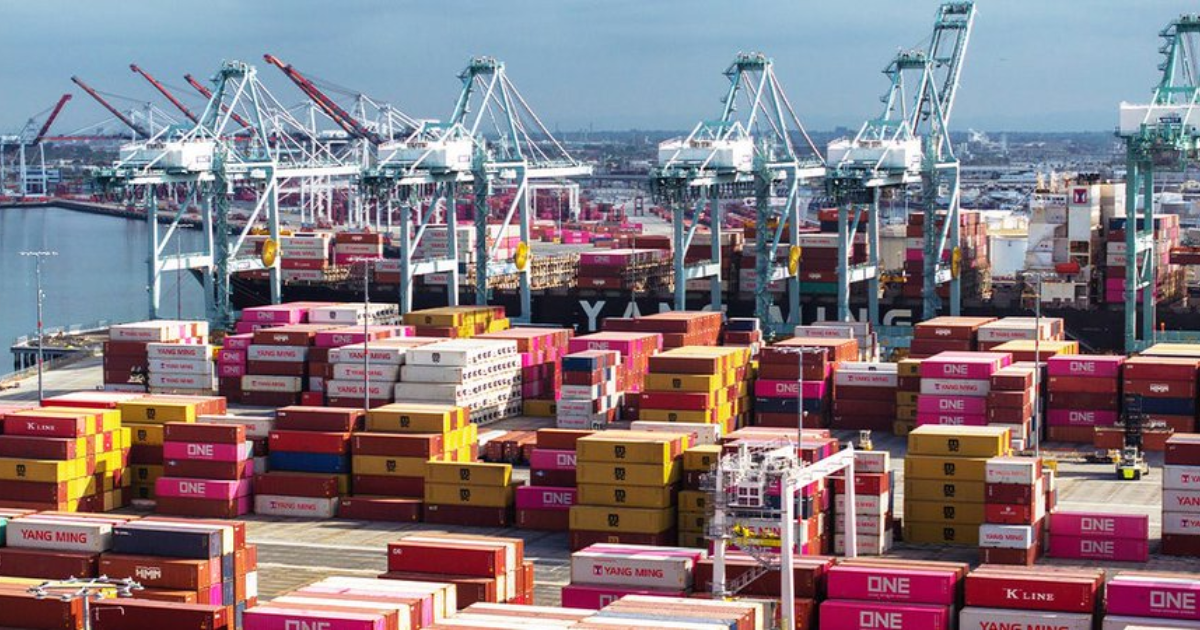
The overall exports index increased 1.4 percent in the quarter, mainly due to increased exports in machinery, with semiconductors increasing by 1.0 percent, accounting for the majority of the growth. Besides, the private consumption grew by 0.4 per cent and the investment in facilities rose by 0.2 per cent, while construction investment fell by 0.2 per cent.
The effects of the Middle East conflict were felt in employment and production, but thanks to the proactive measures taken by the Ministry of Economy and Finance and other government departments the situation was stabilised, Lee Dong-won, director general of the BOK’s economic statistics department, said. Some government actions, including diversifying sources of imports, changing crude oil reserves, and arranging naphtha supplies, alleviated the overall economic impact.
Income Surge and Future Monetary Policy
The real gross domestic income (GDI), which is also an important indicator of purchasing power, also increased by 3.6 percent from the previous quarter. But more importantly, it rose by 15.6 percent year-over-year. This is the biggest GDI jump in more than 38 years, marking the record from the first quarter of 1988, according to Statistics Korea and historical data from central bank.
This record increase in income was higher than the actual production due to the high prices of semiconductors in the export market. The global tech prices remained steady, hence the large inflow of national income from the higher prices of tech in the global market,” said Lee.
These strong economic metrics have helped ease market concerns over continued monetary tightening. The BOK recently upped its benchmark rate by 25 basis points, for the first time in three and a half years, moving away from an easing stance – a move that is being closely watched by market watchdogs and the Financial Services Commission.
The strong Q2 income growth is likely to affect future policy decisions, with BOK Governor Shin Hyun-song saying that the rate hike will be determined by the results. Analysts believe the chances of a back-to-back rate hike in August are increasing, as BOK Governor Shin Hyun-song has indicated the strong Q2 income increase will have an impact on future decisions. This possibility grows with the rising oil prices and the renewed Middle East tensions, which are putting upward pressures on the domestic economy, noted Cho Yong-koo, analyst at Shinyoung Securities.