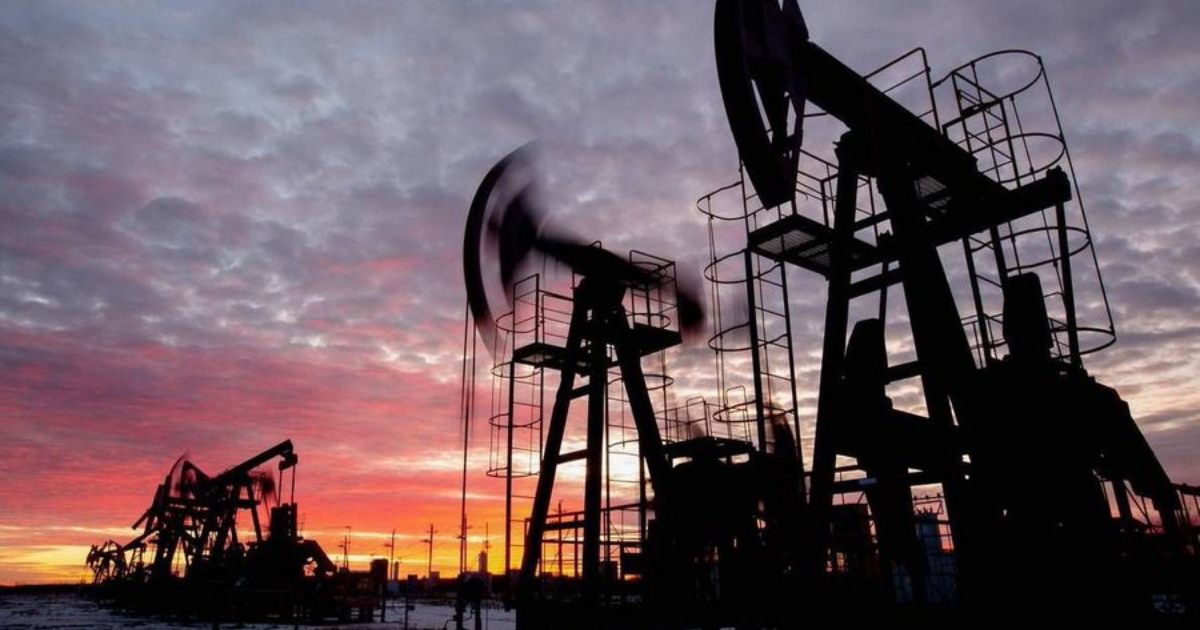
On Tuesday, global oil prices rose some 2% to a month-high after the U.S. reimposed a naval blockade on Iran. The geopolitical row could cause a significant drop in oil traffic through the Strait of Hormuz, which was used to transport approximately 20 per cent of the world’s global supply of oil before the war broke out.
Brent crude futures rose $1.43, or 1.7%, to settle at $84.73 per barrel, while U.S. West Texas Intermediate (WTI) crude climbed $1.20, or 1.5%, to close at $79.34. Both indexes finished at their highest points since mid-June, and Brent is technically overbought for the second straight day.
Geopolitical Conflicts and Economic Pressures Disrupt Global Energy
Desperate moves by the White House in the Middle East fanned the flames of market volatility. President Donald Trump has backed off a proposal to impose a 20% security fee on ships passing through the Strait of Hormuz and is instead looking for more wide-ranging investment arrangements with Gulf nations. The administration, however, officially reimposed a strict blockade of Iranian shipping, and Trump explained that the strait would only be open for ships from outside Iran.
The situation deteriorated after reports were issued on Iranian cruise missiles hitting two oil tankers of the United Arab Emirates. One Indian man was killed and eight others injured in the severe attack. In general the violence has largely broken the spirits of those who had hoped a memorandum of understanding reached last month would lead to a permanent ceasefire. The U.S. military has thus gone all out to maintain its military presence in the area.
Other than the Middle East, the ongoing conflict in Eastern Europe is driving diesel prices skyrocketing around the world. 2 Russian oil refineries in the Bashkortostan and Krasnodar regions were struck overnight by the Ministry of Defence of Ukraine in recent reports. These drone attacks have already significantly reduced Moscow’s diesel exports, causing diesel futures to rise by about 21 percent so far this month, and refining profits to reach record levels.
Domestic economic indicators are also limiting upside potential for prices, given concerns over oil demand. U.S. consumer inflation ticked up less than the market wanted in June, but financial markets are still anticipating an interest rate hike from the Federal Reserve. It’s not that Fed Chairman Kevin Warsh didn’t want to do his job, he simply reaffirmed his dedication to independent monetary policy, promising to do his job regardless of pressure from the president to cut rates and spur economic growth.
Now traders are keenly watching the domestic supplies for near-term market balances. Analysts are estimating a withdraw of 2.7 mln barrels by energy companies last week from their storage stocks. The official U.S. Energy Information Administration inventory confirmation is expected to arrive on Friday to determine whether the trend of falling stockpiles is to be expected for the 13th time in 14 weeks.