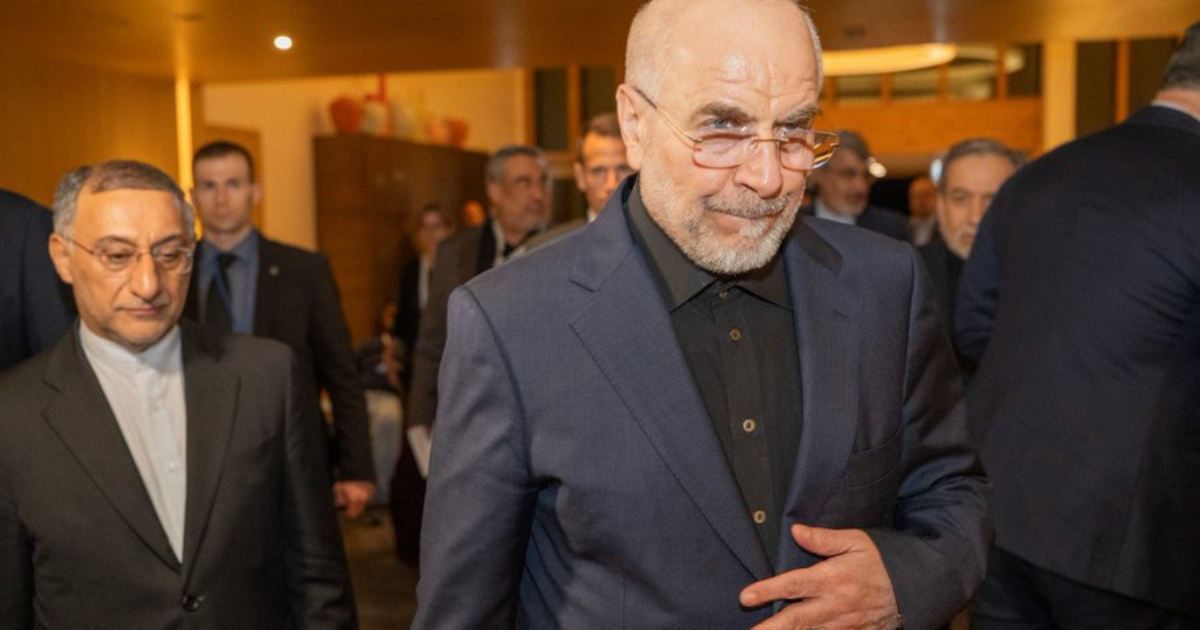
High-level negotiations between United States and Iranian officials have started at the Bürgenstock resort in Switzerland. It is a crucial meeting that will be the first in-person diplomatic dialogue between the two countries after the previous talks in Islamabad.
The main goal of the Lake Lucerne Summit is to open a period of intensive nuclear talks between Tehran and P5+1 nations that will last 60 days, beginning from now, and have a structured approach to curb Iran’s nuclear program. Despite the backdrop of high tensions in the region, the talks are progressing as Iran issued a statement recently on the possibility of closing the key Strait of Hormuz.
Breakthrough Diplomacy and the 60-Day Nuclear Roadmap
The first diplomatic meeting was held with the help of international mediators, including the highest-ranking officials of the Government of Pakistan and the Ministry of Foreign Affairs of Qatar. The mediators convened preliminary discussions with the two parties separately, and then convened them in a formal trilateral meeting.
U.S. Vice President J.D. Vance, representing the U.S. delegation, along with U.S. envoys from the White House, met Iranian Speaker of Parliament Mohammad Bagher Ghalibaf and his Iranian counterpart, Foreign Minister Abbas Araghchi. Vance called the gathering “historic”, noting an overall objective of change in long-term bilateral relations in the Middle East, rather than “merely” crisis management.
The high-stakes meeting briefly was marred by a diplomatic spat over a press photo-op. Iranian state media claimed the U.S. side had refused to meet with the media. American officials, on the other hand, explained that the Iranian delegation, after noticing the high number of international journalists at the venue, decided to leave the venue on a hasty note and then spread out an incorrect narrative of the incident.
One of the immediate challenges for the U.S. in its primary mission is to get Iran to sign a declaration that allows for a return of international inspectors to its nuclear facilities, which it has faced specific military attacks and which Iran contends are in good working order. This would be the first official monitoring visit to these sensitive areas since the last monitoring visit was made under the auspices of the United Nations.
Washington is willing to let Tehran temporarily release frozen financial assets in return for letting inspectors from the International Atomic Energy Agency (IAEA) return. This formula is based on a $6 billion account that is in Qatar in place and would be dedicated in a manner that would be strictly humanitarian goods that are necessary in their purchase.
The talks are being conducted amid heightened regional uncertainties and would be part of a public discourse that is increasingly polarized. Meanwhile, U.S. President Donald Trump gave a warning on social media regarding possible direct military action against Iran over the compliance of its regional ally forces to active ceasefire obligations in Lebanon.
Iran’s top negotiator, Mohammad Bagher Ghalibaf, openly brushed aside the threat, saying Iran’s military was ready to respond “in another way” to any external threat. The verbal dialogue is part of a bid to bring a fragile ceasefire agreement into a state of equilibrium, after it broke down soon after its first application between Israel and Hezbollah.