Three social media platforms have been ordered to block access to 14 posts which “target the Indian community and undermine Singapore’s model of multiculturalism”, the Ministry of Home Affairs (MHA) said on 6th June.
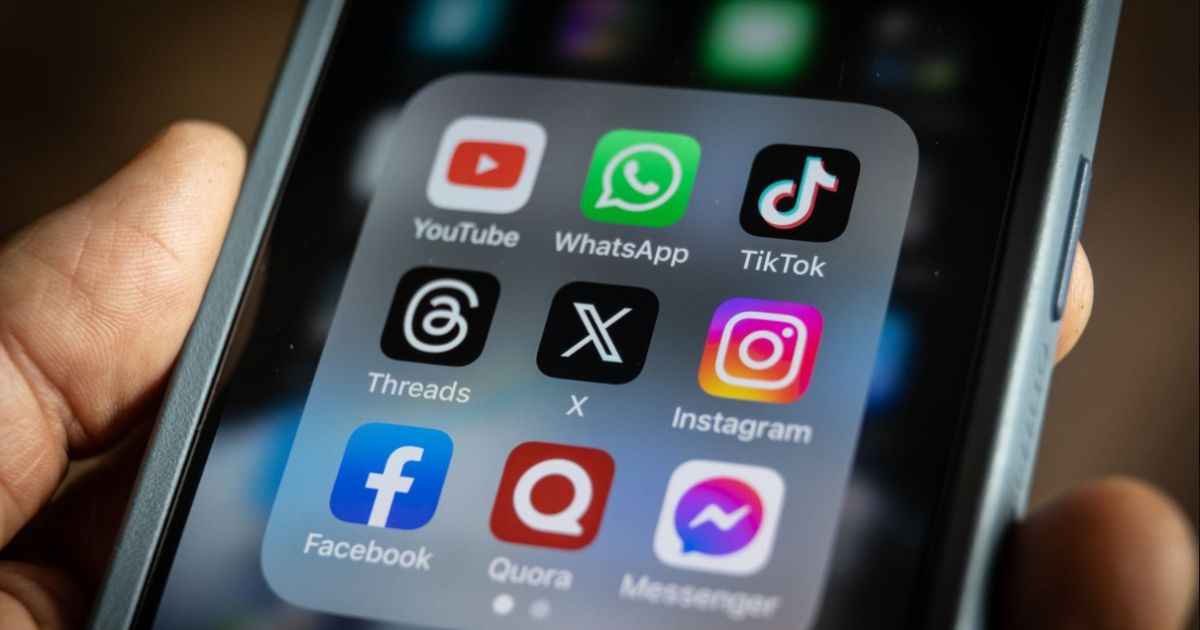
Police have issued directions under the Online Criminal Harms Act prohibiting access to the posts on the three platforms – YouTube, Facebook and X (formerly Twitter), MHA said in a statement.
The direction required the platforms to “take all reasonable steps to disable access by Singapore users to these posts”, it added.
The content was from overseas, said Second Minister for Home Affairs Edwin Tong at Siglap South Community Centre on Saturday.
Investigations into the problematic content in these posts had shown that it was probably from a platform based in China, which was then passed on by other platforms and websites.
These videos challenge our multi-racial society, and they attempt to pave a divide between races; but Singapore is not a race-based society, and everyone has an equal place in every community here.
“These videos hit right at the heart of how Singapore is a home for us all and at the core of our society.”
The government would not allow any stories to circulate that would challenge Singapore’s racial harmony, “particularly when by foreigners”, Tong added.
MHA in its statement firmly condemned “nativism and xenophobia”.
“It refused to be “hawked” against other communities here,” it said. “These attacks coming from a foreign source are doubly unacceptable.”
“There was no evidence yet to show that this was a coordinated campaign by any government,” Tong said. Investigations revealed that the content was most probably created organically by different foreign netizens, he added.
“Let me say this: any country that wants to do something to protect the social cohesion of the State will say it’s intolerable, and they’d take a similar attitude to protect their societies.”
The posts on social media, which are in the form of videos, depict Singapore’s concerns about its culture and ethnic politics.
‘Inflammatory narratives’
These stories began to proliferate in the Chinese info-space in May, MHA said. Soon after, inflammatory narratives and claims appeared in online content that suggested that Singapore was being “overrun” by Indians and were critical of the cultural diversity in Singapore.
These pieces of social media content suggested that the multiracial policy in the country was a “facade” to “Western values”, and that Singapore’s stability was not because of the policy, but because of the majority Chinese population.
The material in these posts also alleges the presence of an increasing number of ethnic Indian politicians in Singapore who would work in favour of the Indian immigrants.
It has also alleged that Singapore’s culture was essentially Chinese; that the government’s “decoupling strategy” from China would have adverse effects, despite the lack of any serious considerations about the threat of an expanding Indian population.
Selective use of images and footage of crowded streets along Little India (probably on a weekend when migrant workers were on their day off) and Indian devotees during a religious festival along Pagoda Street were used to support claims of “overcrowding” with Indians in Singapore.
“Their use of derogatory and demeaning language against the Indian community in Singapore, such as likening growth in the number of Indians to ‘concentration of curry’, also was noted,” MHA added.
“Deliberate efforts to introduce more of such content” were seen in Singapore’s local information space,” said MHA.
These are attempts to generate disunity, hatred and hostility toward the Indian community in the country.
This involves Indian migrant workers engaged in activities including construction and other sectors working to make a living, it added. They are believed to benefit Singapore’s growth and development, and are cherished members of society.
The problematic content likely breaches Section 298A of the Penal Code for knowingly promoting feelings of enmity, hatred or ill will between different groups on grounds of race, or committing an act prejudicial to the maintenance of harmony between different racial groups in Singapore, said the ministry.
Offence punishable by up to 3 years’ jail and a fine.
MHA noted that the Singapore government has taken the threats to the nation’s social cohesion and racial harmony, whether from foreign actors and sources, seriously, and will respond decisively to them.
The government would continue to keep a close watch on the sites and would move on if it “cannot be helped” that they are not in Singapore’s interests, Tong said.
“More importantly, I think Singaporeans should also be careful and discerning of what they’re consuming online, and also ask what it is, what its intent is, is it a good video that helps promote our social norms or is it a video that is detrimental to our social norms? And don’t share if it’s bad for our social norms.”