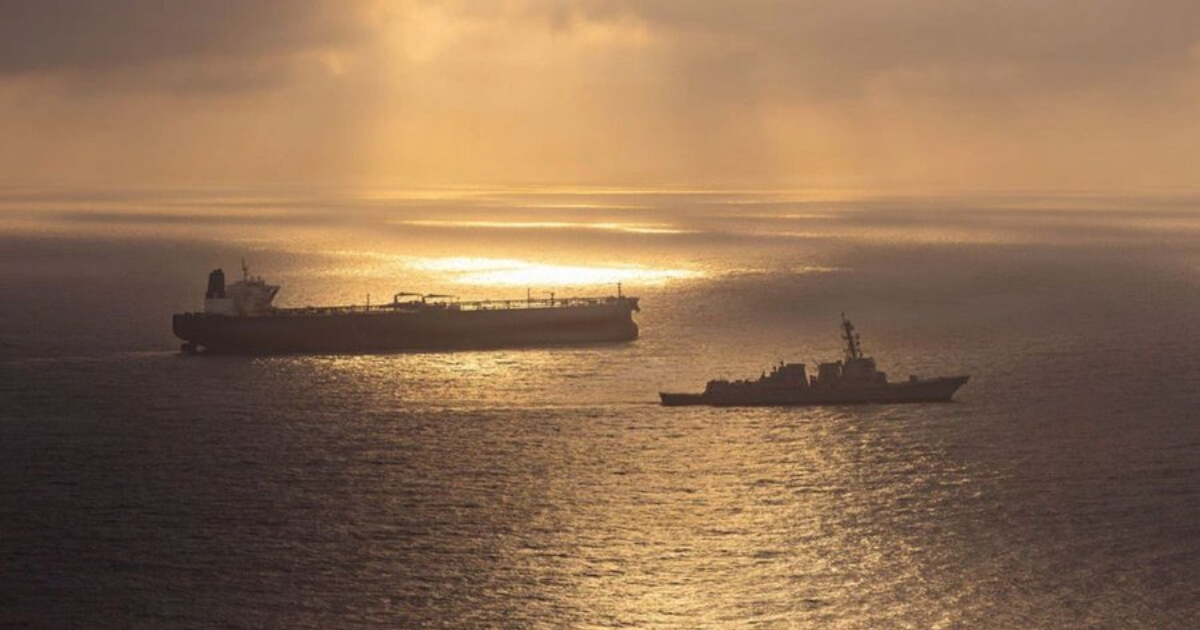
The U.S. and Iran have reportedly agreed to extend their current ceasefire for another 60 days. If it is completed, the agreement would remove the limitations on Strait of Hormuz shipping, though it would leave negotiators to discuss other long-term problems, such as Iran’s nuclear program.
This agreement, however, is not official yet. It should be signed by the White House President, Donald Trump, and in the same breath, get approved by the Iranian leadership. The agreement is not a finished thing yet, still, U.S. Vice President JD Vance said the two sides are “ very close ”. Iran’s state news agency has also ignored the reports and pointed out that the text has not been confirmed.
The proposed deal would see the U.S. end its blockade of Iranian ports and ease some of its sanctions on Iranian oil exports, enabling normal commercial shipping. The initial news of the possible deal sparked global oil price declines since a fifth of the world’s oil and liquefied natural gas flows through the Strait of Hormuz.
Fragile Negotiations Persist Amid Regional Flare-Ups
The progress in the diplomatic efforts follows some recent military confrontations, which could derail the truce. U.S. Central Command (CENTCOM) earlier in the week said it had downed five Iranian attack drones and hit a ground control station in Bandar Abbas. One of Iran’s Islamic Revolutionary Guard Corps then fired a ballistic missile towards a U.S. base in Kuwait as a response, which was instantly condemned by the officials in Kuwait.
While the fighting has escalated again, there is still this diplomatic process going on, sort of stalled, but not totally dead, ykno. The Ministry of Foreign Affairs said Foreign Affairs Minister Ishaq Dar is likely to visit Washington to sit down with US Secretary of State Marco Rubio, and keep pushing for a negotiated deal.
Still, there are a bunch of obstacles to handle before a lasting peace can actually happen. Washington wants to dismantle all of Tehran’s nuclear program. But Iran is pushing for the full removal of sanctions, the unfreezing of its overseas funds, and the rollback of U.S. measures. Even with all that, there are a lot of hoops to jump through before a durable peace can be realized. The volatile geopolitical climate has also kind of dragged in a few nearby countries, and it feels almost spontaneous, in a way.
The volatile geopolitical context has also drawn in some neighboring states. In a recent warning to Oman, the U.S. accused Iran of trying to set up a transit fee in the Strait of Hormuz with Oman, which led the U.S. president to warn about a bombing threat in the region. Then the heat kinda cooled off, because the U.S., meanwhile, said that Scott Bessent, the Department of the Treasury’s treasury secretary, noted that Omani officials are not looking to do a toll.