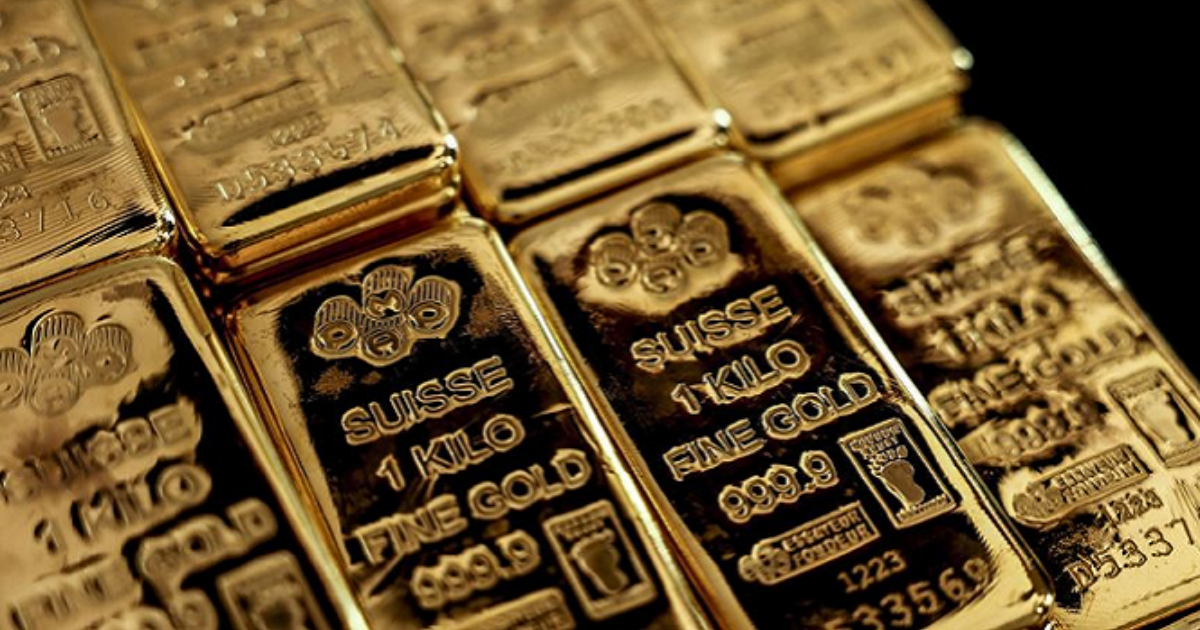
Gold reversed a loss on Thursday after the release of eagerly awaited April U.S. consumer and wholesale price data. But bullion prices posted their third straight losing session even after a slight recovery, with a continued lack of optimism about a U.S.-Iran diplomatic agreement still casting doubt on long-term interest rates.
Gold futures rose 0.6% to $4,428.69 an ounce, recovering from a low earlier in the session, after touching its lowest level since the end of March. Meanwhile, U.S. gold futures fell 0.5% to $4,426.20.
Inflation Data and Geopolitical Risks Reshape Market Expectations
The U.S. Bureau of Economic Analysis (BEA) has just published the latest data on the Personal Consumption Expenditures (PCE) price index, which was unchanged from consensus expectations at 3.8% on a 12-month basis through April. The core inflation gauge ticked up 0.4% on a monthly basis, from 0.7% in March.
This data gave the metal a brief respite, according to TD Securities global head of commodity strategy Bart Melek. The line graphs suggest the Fed might not move immediately to tighter policy, and could keep rates steady. But gold may continue to suffer from heavy selling pressure unless there is a major peace deal and even if there is a ceasefire, energy costs may stay high, Melek said. This is a heads-up that echoes minutes from the Fed’s meeting late in April, which indicated a growing number of policymakers are ready for additional rate hikes.
Overlapping macroeconomic influences add to the overall market condition. City Index‘s market analyst Fawad Razaqzada said that geopolitical turmoil is no longer working alone. Instead, rising energy prices are helping to fuel rising inflation concerns, which in turn pushed up Treasury yields and strengthened the U.S. dollar.
This is a financial squeeze at a time of heightened geopolitical tensions being tracked by U.S. Central Command. In a recent development, Tehran recently attacked an American airbase after the U.S. military thwarted an Iranian drone attack near the sensitive Strait of Hormuz. Any attempt to negotiate a deal with Iranian officials was further put on hold when President Donald Trump reportedly refused a compromise that would have been a first step toward a deal.
The precious metals sector in general followed gold’s downward trend. Spot silver fell 1.2% to $73.69 per ounce, while platinum gave up 1.6% to stand at $1,887.75. The biggest losses of the day were in palladium, which fell 3.1% to $1,347.31 a share.