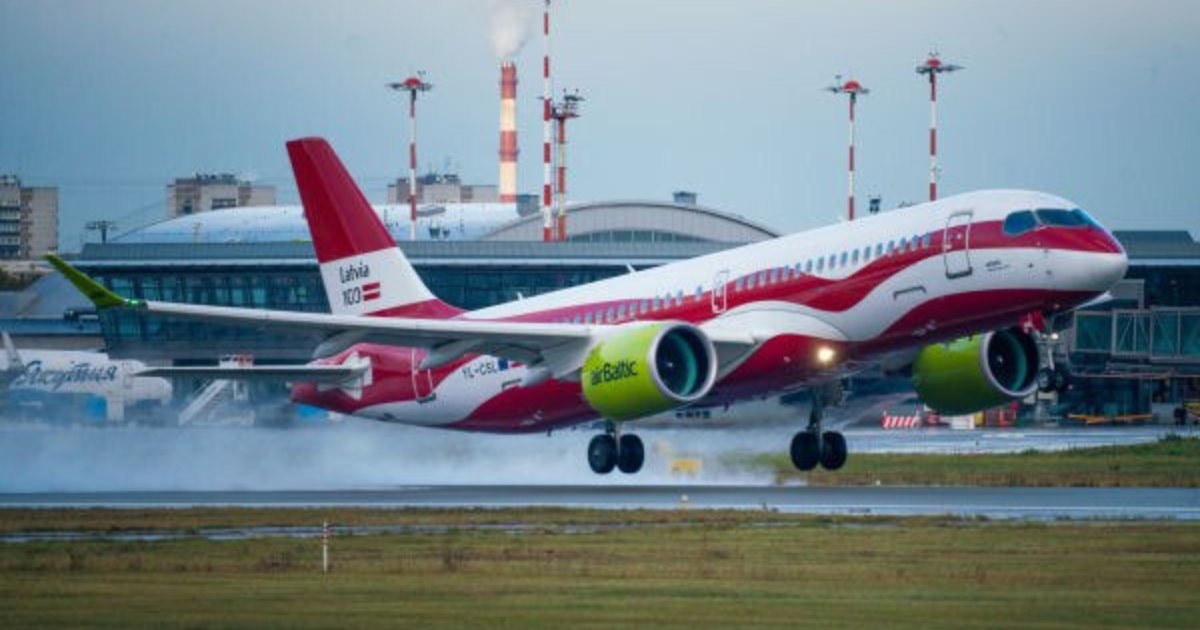
European countries are experiencing a severe jet fuel shortage because of the ongoing Middle East crisis, which occurs during the upcoming peak travel season. The shutdown of the Strait of Hormuz has caused major disruptions to international oil shipments, which will lead to vacation disruptions for millions of people and create considerable financial pressure on the airline sector.
The Mounting Energy Crisis and Supply Chain Disruption
The International Energy Agency (IEA) president Fatih Birol has advised European governments to begin their search for new energy sources without delay. Middle Eastern refineries have historically provided approximately 75 percent of Europe’s jet fuel supply but their current output has stopped functioning at complete capacity. European countries depend on fuel imports which makes them more vulnerable to supply disruptions that affect their energy resources than it does to their American counterparts.
As summer approaches the situation requires immediate attention. Jet fuel demand typically surges by about 40% in August compared to March. Birol explained that Europe needs to establish successful fuel imports from nations such as the United States and Nigeria to avoid facing major operational challenges. Some analysts have echoed these concerns, warning that European supplies could run dry in a matter of weeks.
The whole economy is under threat from developments of this nature. ACI Europe reports that air connectivity generates €851 billion in GDP for Europe while creating 14 million job opportunities on the continent. Extended disruptions would destroy economies of nations that depend on summer tourist activity for economic development.
Airline Responses and the Impact on Summer Travelers
The supply shortage has resulted in dramatically increased aviation expenses. The International Air Transport Association (IATA) reported a 103% increase in jet fuel prices by the end of March. The price increases result in operational losses for many airlines because fuel expenses range between 20% and 40% of their total revenue. Airlines must implement cost reductions and capacity cuts while increasing ticket prices to maintain their profit margins.
European airlines have begun implementing severe operational changes. Lufthansa will operate 20,000 fewer short-haul flights until October while it plans to shut down its unprofitable Lufthansa Cityline subsidiary which will save 40,000 metric tons of fuel. Scandinavian airline SAS and Dutch carrier KLM have canceled hundreds of flights to offset rising kerosene costs and retire less fuel-efficient aircraft early.
Budget airlines are also feeling the pressure. EasyJet reported significant headline losses for the six months leading up to March which resulted in £25 million additional fuel expenses. The airline announced that its future bookings will decline because consumers are currently postponing their purchase of expensive tickets despite having hedged 70% of its summer fuel costs at fixed prices. European travelers will need to adapt because airlines are cutting back on their most common routes which will result in decreased flight options that will force them to select shorter trips to nearby countries such as Spain Portugal and France instead of extended travel to distant locations.