Estonia shows a completely different approach to digital access for young people which governments around the world currently try to restrict. The Baltic nation announced its opposition to complete social media bans for children because it believes these laws need better solutions to solve the actual problem.
The Complex Reality of Digital Well-being
Tech companies downplay risks of technology yet studies demonstrate that dangerous social media behavior results in serious harm to young people. The research supported by National Institutes of Health (NIH) and other health organizations shows that digital platforms present children with extreme dangers which include:
Mental Health Struggles: Increased rates of anxiety and depression.
Physical Health Risks: Sleep deprivation and obesity, which result from targeted junk food marketing.
Social media exists as a dangerous platform which causes actual harm to users yet it serves as an essential platform where teenagers establish social connections and receive support from their friends. The Australian Government and UK and Spain and Denmark policymakers have formed a growing international coalition which supports establishing strict age-based bans as the most effective method for protecting minors.
Regulating Corporations Over Restricting Kids
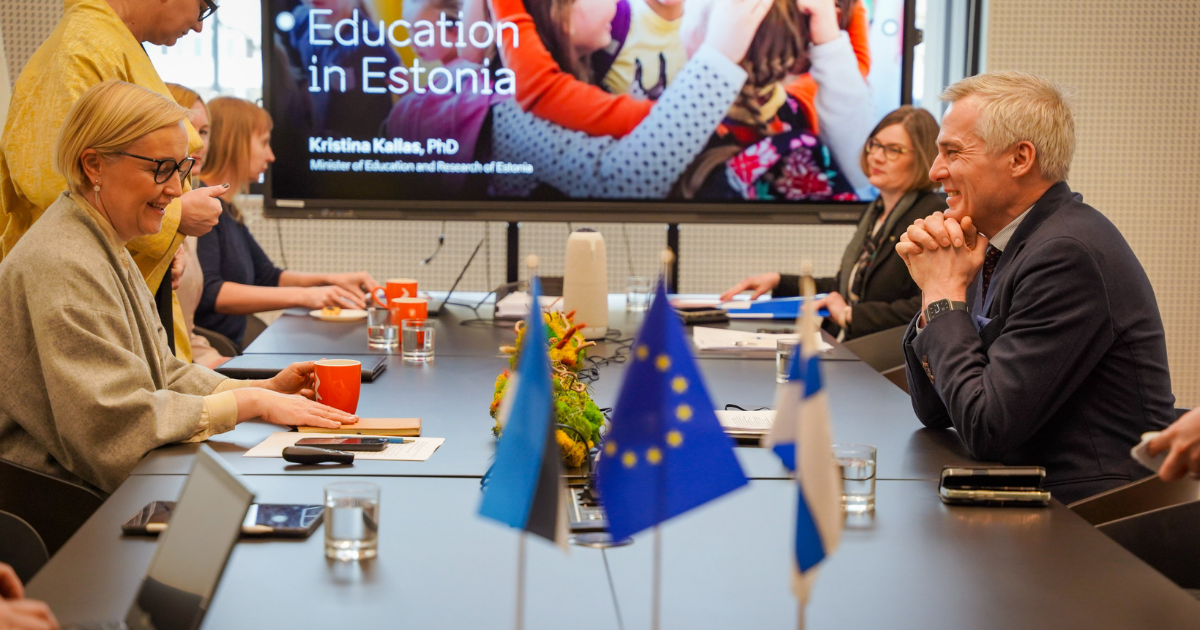
Estonia’s leaders believe that these control measures do not provide effective ways to implement their strategic plans. Kristina Kallas, who represents the Estonian Ministry of Education and Research, stated that restrictive laws create an unfair burden which children must carry. She predicted that children with technology skills would create effective methods to navigate these limitations.
Kallas argues that governments and the tech industry must take responsibility for regulating their platforms instead of requiring minors to self-regulate. She challenged the European Commission to stop acting powerless and to aggressively regulate massive international corporations directly.
The bans face critics who point out that they create a dangerous situation which threatens digital privacy rights. The enforcement of these bans needs to implement comprehensive monitoring systems. The French Government deliberated that implementing VPN restrictions would serve as the next necessary step to enforce social media bans for users younger than 15, which creates critical dangers to fundamental internet rights. Estonia’s position proceeds to establish accountability measures for tech companies instead of developing systems to monitor children’s online activities.