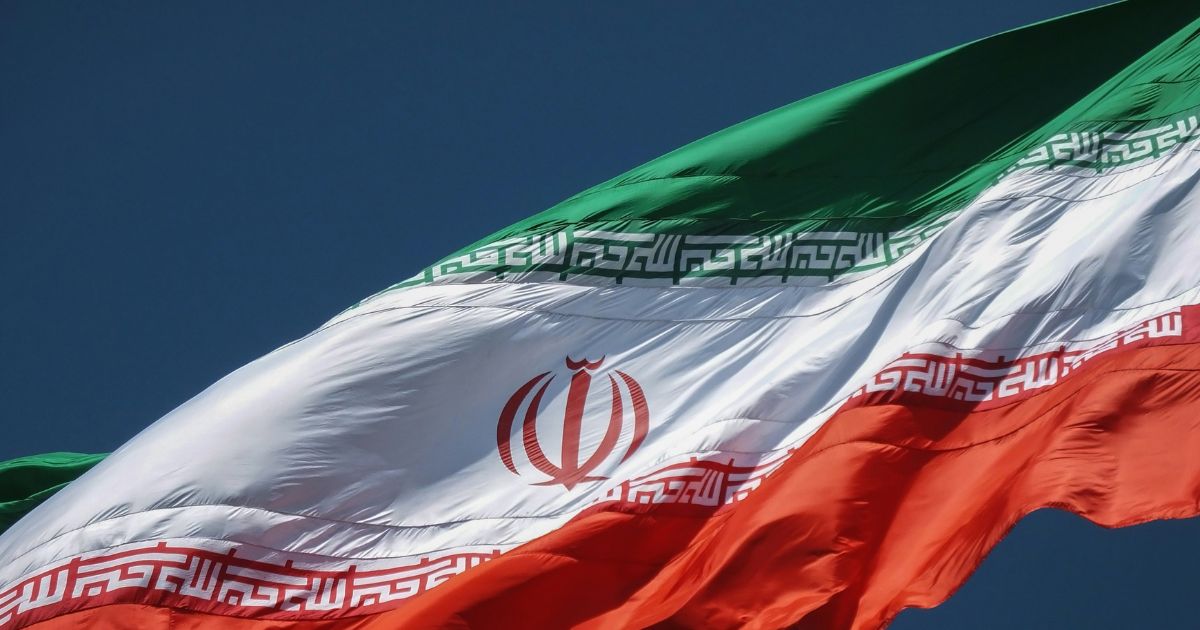
Iran stated on 28th February that the US and Israel were being militarily aggressive and the attacks were a violation of its sovereignty and a breach of Article 2(4) of the UN Charter.
According to a statement of the Foreign Ministry, the attacks were directed at defence installations and civilian objects in several cities and were carried out at a time when the diplomatic process between Tehran and Washington was in progress.
It emphasised that Iran had already made diplomacy a priority to avoid war, but now it was “time to protect the homeland,” and the “armed forces would retaliate decisively and powerfully.”
Tehran claimed that it had the right to self-defence in case of Article 51 of the UN Charter and urged the UN Security Council and the international community to condemn the joint US-Israeli assault and take immediate action, self-defence.
The Israeli and US attack on Iran early Saturday was a joint attack, which claimed that it was intended to eliminate so-called threats by the “Iranian regime.”
Iran counters with retaliatory attacks
Iran has already made retaliatory missile attacks against the American military bases in the Middle East, with the shot being the most direct attack recorded to have been made against the 5th Fleet headquarters of the US Navy in Bahrain.
Iran has used ballistic missiles to attack Israel, and Israel’s defence agencies have reported it.
The attack, in direct retaliation to Israeli morning attacks against Tehran and other targets in Iran, is promptly followed by the US forces under “operation Epic Fury,” as declared by the Department of Defence.
Iranian leaders had made numerous threats that any strike on their territories would result in the US bases in the other neighbouring nations being retaliated against.
Further expanding, Iranian missiles were aimed at other locations of the US-hosted regions.