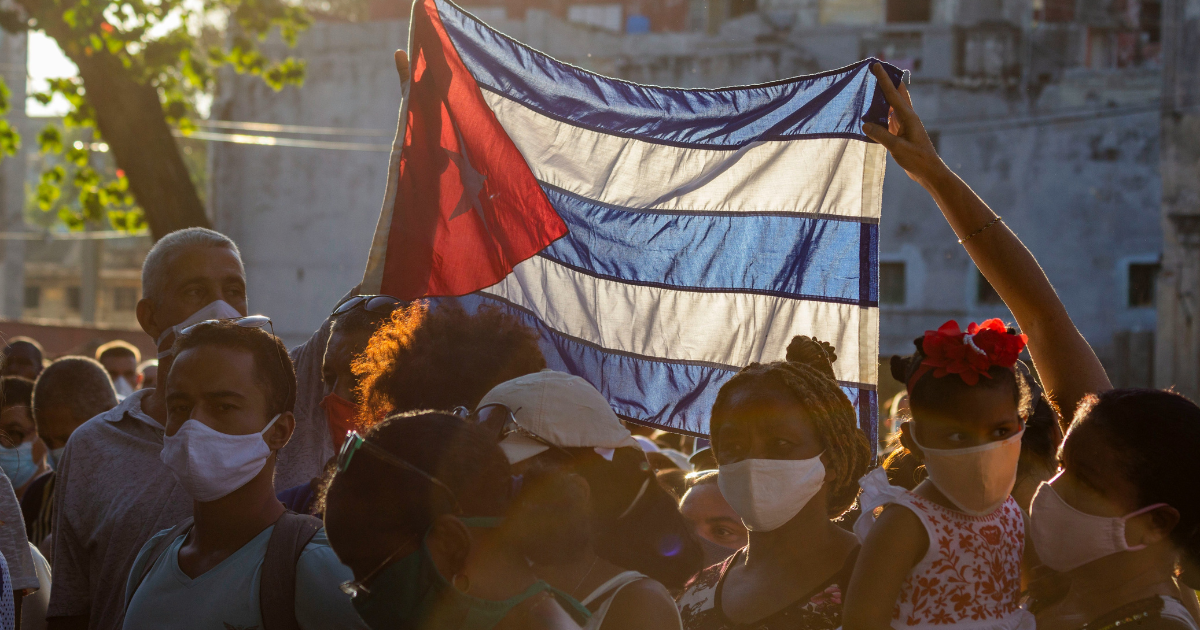
The world community of health is creating an alarm on the ever-worsening medical and humanitarian condition in Cuba. A warning was given by the head of the World Health Organization (WHO) on Wednesday, which was very stark and he said that the current health turmoil on the island was extremely worrying.
The extremely acute energy deficit in the country has contributed greatly to the gravity of this crisis and is closely connected with the current geopolitical crises and the long-standing fuel blockade by the United States. With the extensive power cuts that have struck the Caribbean country, the very essence of delivering safe and effective medical services has been crippled and is attracting instant international attention and intervention demands.
The Impact of Energy Blockades on Medical Care
Cuba is already experiencing one of the worst economic and energy crises in decades. Frequent and extended blackouts have been witnessed in the power grid of the island with critical infrastructure, such as major hospitals and local neighborhood clinics being left incredibly vulnerable. Inability to sustain a steady power supply is a direct menace to life-saving machinery, medical refrigeration of vital medicines and routine surgeries.
It has been a long-standing argument of the Pan American Health Organization and other health monitors in the region that a working public health system is a hard and fast requirement based on stable infrastructure. Nevertheless, the current fuel blockade and strict economical sanctions imposed by the U.S. Department of State have harshly restricted access of Cuba to essential energy sources and world markets.
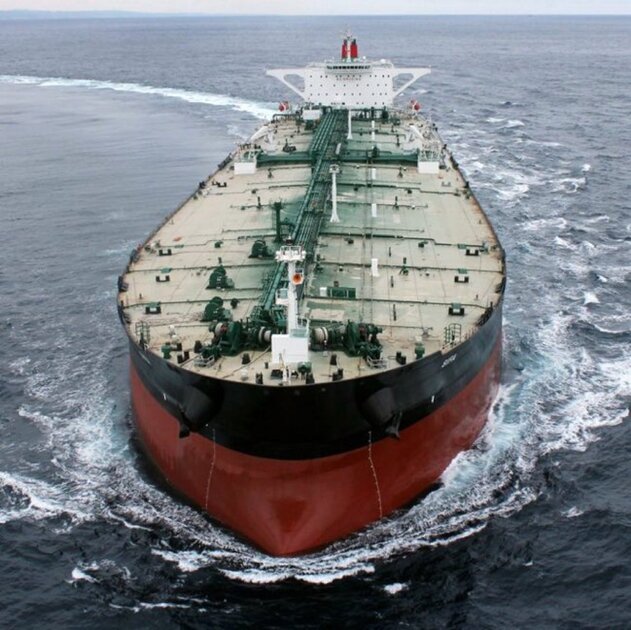
These shipping bans actively stop importation of fuel needed, modern medicine supplies, and those few spares needed to keep the national electrical grid on track. As a result, the medical personnel are regularly pushed to work in highly dangerous and unpredictable circumstances. Not only does the evidence of no electricity interfere with direct patient care, but it also undermines the massive water sanitation, causing the civilian population to be exposed to secondary threats to their health immediately.
A Global Call to Protect Human Lives Over Geopolitics
To address these mounting conditions, WHO Director-General Tedros Adhanom Ghebreyesus has recently resorted to social media to call on world leaders to sever humanitarian demands and political conflict. He highly stressed that human health should be defended at any cost and it should never be allowed to be at the mercy of the geopolitics, energy blockades, or massive power outages.
His words represent a far wider humanitarian value that the United Nations upholds and argues about the universal right to health without regard to geopolitical position of a country. The tactic of diplomatic pressure of using essential civilian services nearly always impacts the most vulnerable demographics disproportionately, such as the elderly, infants, and people struggling with chronic diseases.
Political embargoes, international humanitarian organizations, such as the International Committee of the Red Cross, insistently reiterate that humanitarian exemptions in political embargoes should be highly functional. Although theoretically they exist in regard to medical supplies, the general financial restrictions posed by the fuel blockade make them mostly ineffective in practice. The appeal by the WHO is an essential wakeup call to the fact that global health equity is impossible when political struggles destroy the basic health care infrastructure.