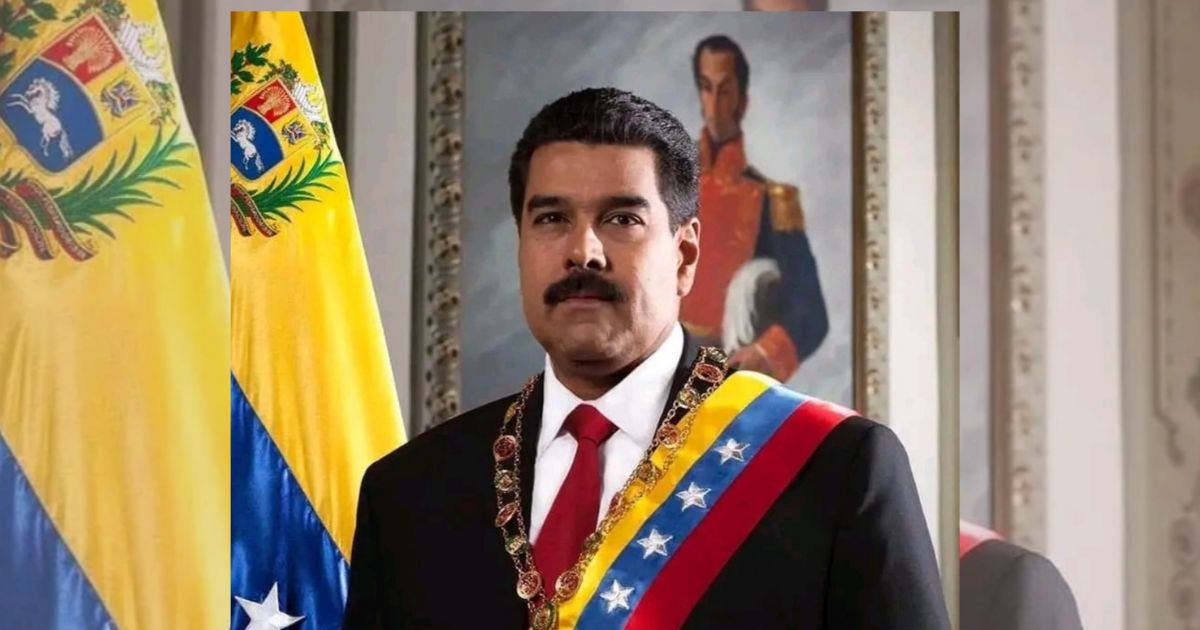
Venezuela has declared a significant, national-scale military operation to resist the US naval presence in its waters.
On Tuesday, the defence ministry of the country made an announcement of the large-scale deployment of land, sea, air, river, and missile forces and the civilian militia.
The state television, called VTV, showed videos of the speeches of military leaders in different states.
Washington is conducting a military operation in the Caribbean and the eastern Pacific, sending forces on the sea and in the air, which it says are intended to curb drug smuggling.
Nevertheless, the operation has created fear in Caracas that the US intends to remove Venezuelan President Nicolas Maduro in the very end.
The US reports that Washington forces have already launched attacks on at least 20 ships in international waters, resulting in the killing of at least 76 individuals since the beginning of September.
The United States, however, has not provided proof that the ships were being utilized in smuggling drugs or presenting a danger to the nation.
However, last week, the US President Donald Trump downplayed the chances of war with Venezuela, but he said that the days of Maduro were numbered.
The United States has also deployed the USS Gerald R. Ford carrier strike group to Latin America, placed F-35 stealth warplanes in Puerto Rico, and now has six US Navy ships in the Caribbean, claiming counter-narcotics operations.
According to sources with access to the efforts and planning documents obtained by the Reuters news agency, Venezuela is already arming and preparing to engage in a guerrilla-style war or unleash havoc in the event of a US aerial attack on it.
The US military is a giant compared to Venezuela, which is crippled by the absence of training, low pay, and failing gear, 6 sources who have experience with the power of the military in Venezuela told.
Even some of the commanders of the units have been compelled to strike a deal with the local food manufacturers to supply their units with food since the government allocations are not enough to sustain them, according to two sources privy to the state security forces, as quoted in Reuters.
Such reality has made the government of Maduro bet on two possible courses of action, one of which is a guerrilla-like response mentioned publicly but not described in any detail by high-ranking officials, and another one that the officials have not mentioned at all.
The guerrilla-type defence that the government has dubbed as protracted resistance and stated in broadcasts on state television would comprise small military units at over 280 sites executing sabotage and other guerrilla actions, as per the sources and several years-old plans on the strategy that Reuters viewed.
The second measure was dubbed “anarchisation” and involved the use of the intelligence services and armed ruling-party supporters to put the streets of capital Caracas in chaos and render Venezuela uncontrollable to the outside world, according to one source who has an understanding of defense operations and another who has a close connection with the opposition.
It was not clear at what point the government could use each of the strategies, which, according to the sources, are complementary, in the event of a US attack.
Threats by the US military have been publicly ignored by government officials.
“They believe that a bombing will put it all to an end. Here in this country?” scoffed Interior Minister Diosdado Cabello on state television in early November, and Maduro has several times lauded the soldiers in the homeland known as soldiers of the homeland as descendants of the independence fighter, Simon Bolivar.
The military has been very loyal to Maduro because he has been emulating his predecessor, Hugo Chavez, who also appointed the officers to government positions as ministers or heads of government-owned corporations to ensure they become loyal.
Maduro has indicated that 8 million civilians are training in militias to defend Venezuela, and some civilians have, in the past months, stated to Reuters that they are prepared and willing to give up their lives in order to protect their country against a foreign power.
In the meantime, the number of Army and National Guard members that the government would send to wage its guerrilla-style war of resistance is only about 60,000, the source reported to Reuters.