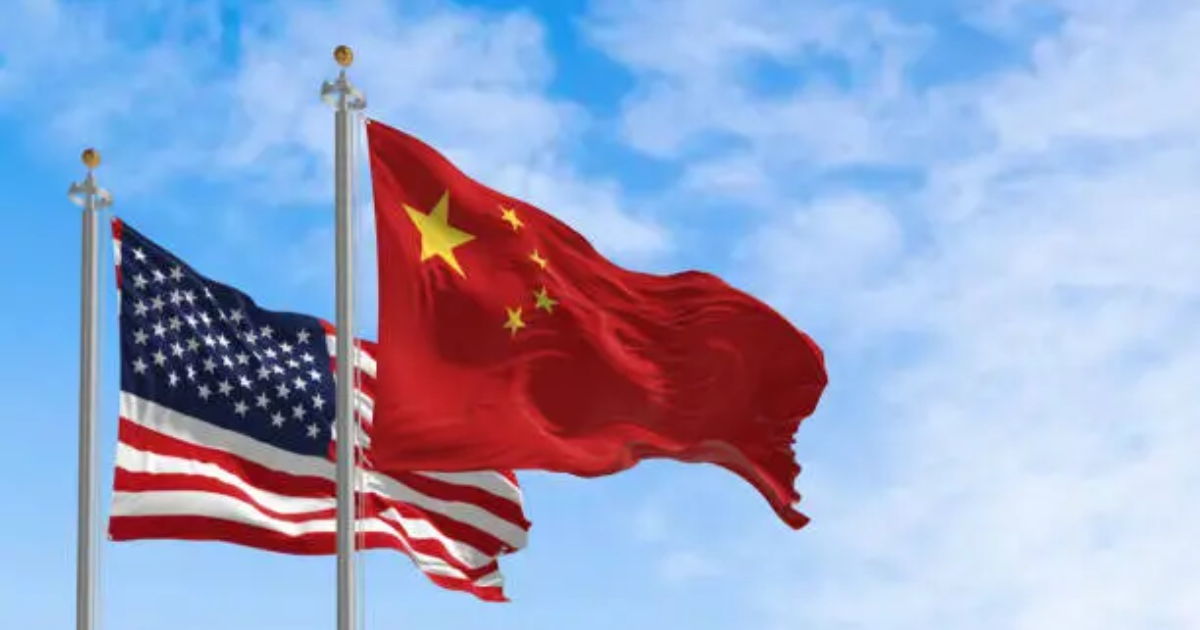
Chinese President Xi Jinping has asked US President Donald Trump to be careful about sending weapons to Taiwan.
The two leaders spoke on the phone for the first time since November. According to China’s foreign ministry, Xi said that Taiwan is the most sensitive issue between China and the United States. He said China will protect its land and will never allow Taiwan to separate. He also told the US to handle any arms sales to Taiwan with caution.
Soon after the call, Taiwan’s President Lai Ching-te said that Taiwan’s relationship with the US is strong. He said cooperation between Taiwan and the US will continue without any problem.
Taiwan is a self-ruled democracy. However, China says Taiwan is part of its territory. Beijing has said it could take control of Taiwan by force if needed. China also does not allow countries that have official ties with it, including the US, to have formal relations with Taiwan.
In December, the US announced a new arms package for Taiwan worth more than $11 billion. The deal includes missiles, artillery systems and drones. It still needs approval from Congress.
China reacted strongly against this plan. It carried out two days of military drills around Taiwan, sending navy ships, aircraft and missile units near the island.
The arms deal has also created debate inside Taiwan. The opposition party, the Kuomintang (KMT), and some people in Taiwan have raised concerns. There is also disagreement about increasing defense spending to 3.3% of the country’s economy.
Taiwan’s parliament, which is controlled by the opposition, has blocked President Lai’s proposed $40 billion special defense budget. Lawmakers have suggested a smaller defense plan instead.
After the call, Trump said the conversation was “excellent” and “thorough.” He said they also talked about Russia’s war in Ukraine, the situation in Iran, and trade between the two countries.
Trump added that he plans to visit China in April. He also said China may buy more US soybeans this year, increasing the amount from 12 million tons to 20 million tons.