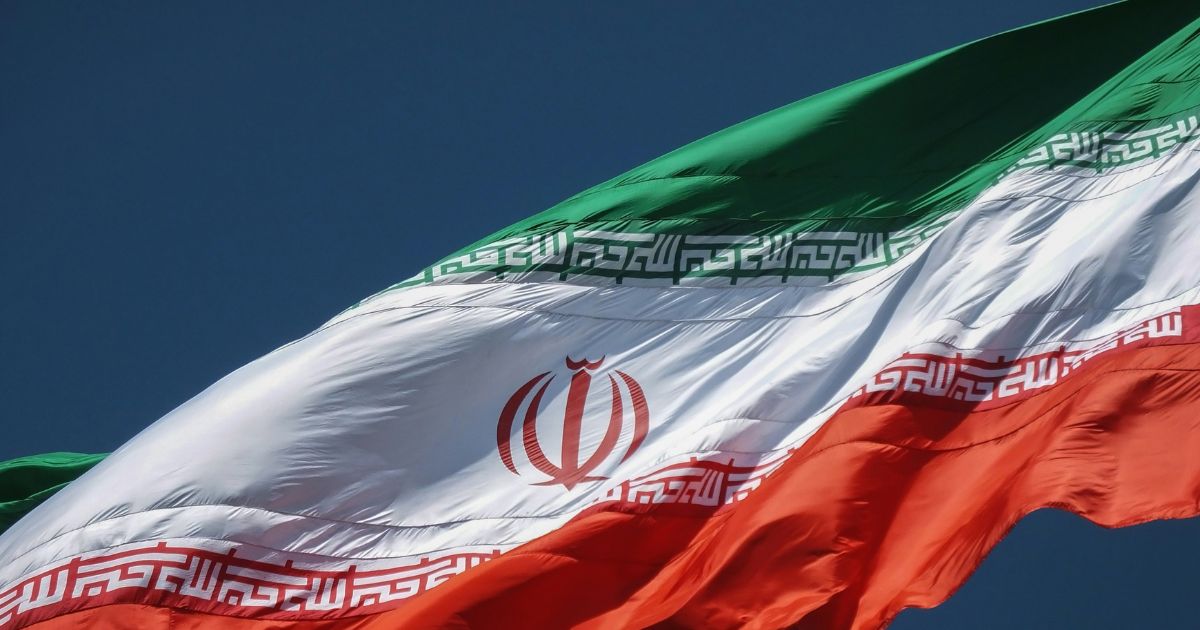
Iran declared the Strait of Hormuz closed to live fire military exercises on 17th February, the first dramatic declaration of force in a long time, as indirect nuclear negotiations between Iran and the United States were re-established in Geneva. The geo-strategic waterway along which about a fifth of all the world’s oil flows has been a source of regional conflicts.
URGENT 🚨
Iran shuts parts of Strait of Hormuz for hours amid IRGC live-fire naval drills (“Smart Control” exercise).20% of global oil flow at stake in key chokepoint — as US-Iran nuclear negotiations resume in Geneva today.
Geopolitical heat rising fast‼️ pic.twitter.com/hBmTfwvcQ8— Megh Updates 🚨™ (@MeghUpdates) February 17, 2026
According to state media, the Iranian forces shot live missiles into the strait and would close it for a few hours because of “safety and marine reasons.” It became the first declaration of such a closure in Tehran since Washington raised military pressure and deployed additional assets to the region. Although it was not directly obvious that shipping had been completely paralysed, the notice of the danger of escalation was issued in a manner that is especially dangerous at a time when diplomacy is still weak.
Supreme Leader Ayatollah Ali Khamenei gave a harsh warning, saying that “even the strongest army in the world would occasionally get such a slap that it would not be able to rise on its feet.” The comments seemed to target the United States, which has threatened to take military action in case of a failure in negotiations.
However, Iran’s foreign minister sounded in a more conciliatory tone. Abbas Araghchi, who was addressing a UN disarmament conference following a visit as head of the Tehran delegation to Geneva, added that “a new window has now opened” to a negotiated settlement. He said that he hoped that there would be a sustainable deal that would benefit regional interests, but added that Iran would protect itself against any form of aggression. What he did not mention directly was the drills and the closure of the strait.
US President Donald Trump, who had cancelled a past nuclear agreement in his first term in office, has often threatened to use force to contain the Iranian nuclear program. Iran has threatened to retaliate against any attack. The American delegation was headed by Trump envoys, Steve Witkoff and Jared Kushner, in the indirect negotiations at the house of the Omani envoy. Oman has been a mediator since time immemorial.
One of the US officials has described the discussions as having some form of progress, but there are still major issues that are outstanding. Iran will make more elaborate proposals within the next few weeks. Vice President JD Vance responded that there was a mixed reaction, with some “red lines” still to be met by Tehran on the presidential side.
The warlike moves provided a combustible background. The Revolutionary Guard of Iran had been conducting drills in the previous week in the Strait of Hormuz, the Persian Gulf and the Gulf of Oman, which are vital shipping routes. It was observed by analysts that Iran often carries out drills in the region, but it was quite rare to declare a closure. Iran blocked the maritime traffic with warfare in the 1980s, during the war with Iraq, and the mining of the strait.
Oil markets responded with restraint. The result of the talks was a fall in prices, with the US crude price going down to approximately 62 barrels and Brent crude going down to approximately 67 barrels. Traders were seen to place a bet that diplomacy would provide relief in the event of success.
In the meantime, Washington has strengthened the military presence. The USS Gerald R. Ford and USS Abraham Lincoln aircraft carriers have been sent in the direction of the region where there are guided-missile destroyers. An official of the Navy assured that the Ford and its escorts are in the mid-Atlantic and over a week off Iranian waters. The possibility of confrontation was also recently underscored by the US forces shooting down an Iranian drone that was flying towards the Lincoln.
According to the Gulf Arab states, any form of conflict could spark a larger regional war, and this is mainly because the Middle East is still battling with the shocks of the Israel-Hamas conflict.
The Trump administration wants a compromise that would curb the Iranian nuclear activities and not allow it to make nuclear bombs. Tehran has stipulated that its program is peaceful and has opposed the calls to disarm the uranium enrichment or relinquish its highly enriched uranium.
A 12-day war in June between Iran and Israel killed off earlier plans of negotiations as the US bombed Iranian nuclear facilities and Israel targeted air weapons defence and missiles. Prior to that war, Iran had enriched uranium to a level of 60% purity or slightly below weapons-grade.
As military operations deepen and diplomatic relations are on hold, the recent actions of the Strait of Hormuz show how easy it is to push the situation towards the possibility of confrontation, or, perhaps, a new agreement.