As tension between Tokyo and Beijing increased, the Japanese defence ministry on 9th December said that jets have been scrambled by the Japanese to keep track of Russian and Chinese aircraft that have been making joint patrols of the Japanese territory.
The ministry said that two Russian Tu-95 nuclear-tipped strategic bombers flew off the Sea of Japan to the East China Sea, to meet with two Chinese H-6 bombers, and conduct a long-range joint flight in the Pacific.
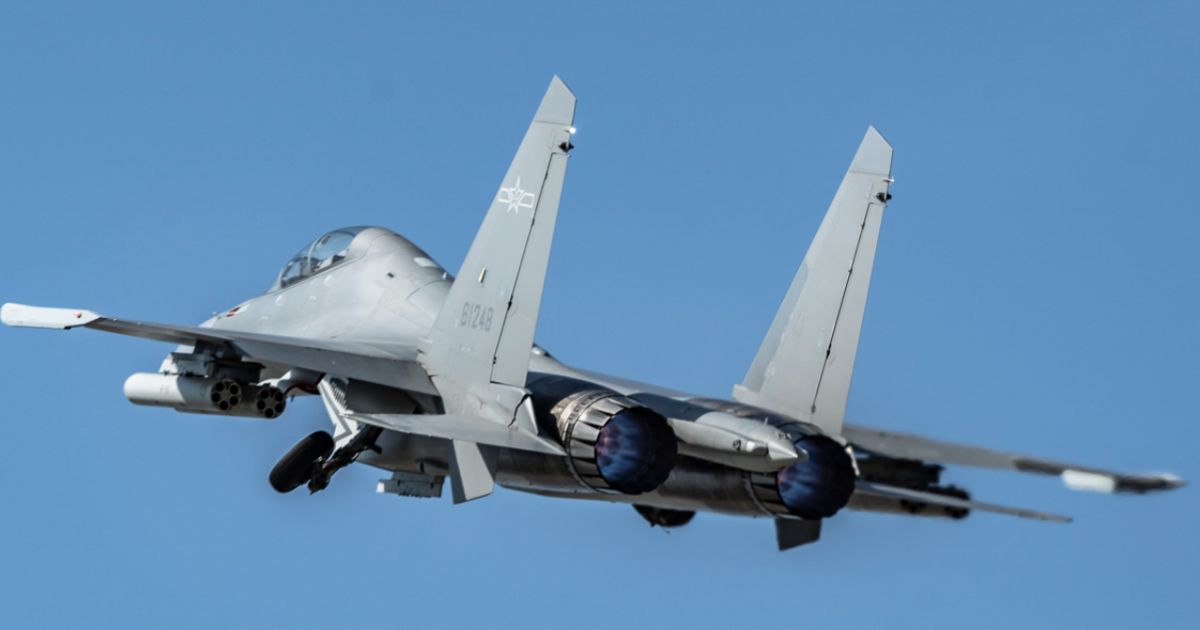
It added four Chinese J-16 fighter jets to the bombers, and they completed the round-trip flight flying between Okinawa and Miyako islands in Japan. The Miyako Strait, which is situated between the two islands, is deemed international waters.
The ministry also reported that Japan spotted an overlapping Russian aerial deployment in the Sea of Japan, which included one early-warning plane, an A-50, and two Su-30 fighters.
On Wednesday, Japanese Defence Minister Shinjiro Koizumi posted on X that the Russian and Chinese combined drills were obviously done to intimidate our country, and this posed a very great threat to our national security.
Koizumi added that the fighter jets of Japan imposed air defense identification strictly.
According to the Russian news agencies, the Russian-Chinese joint flight over Japan took eight hours, and this was based on what the defence ministry of Moscow reported.
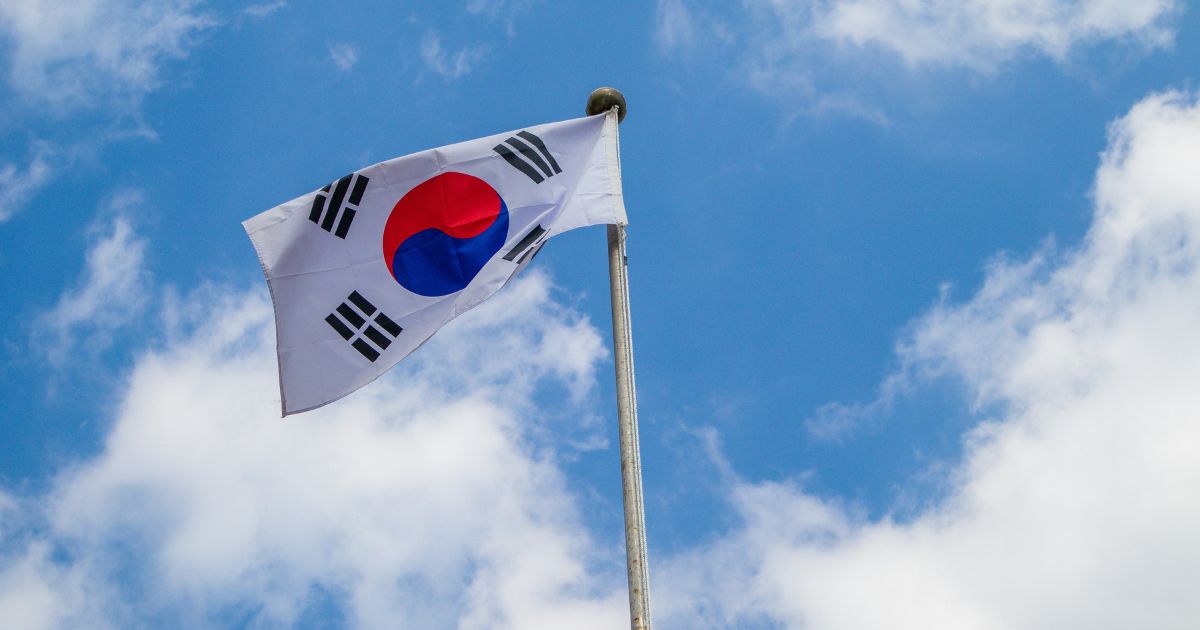
On Tuesday, the military of South Korea also reported that seven Russian planes and two Chinese planes had flown into its air defence space.
On Sunday, Japan reported that fighter jets launched by the Chinese carriers targeted Japanese aircraft radar a day before, a claim refuted by Beijing.
These escalating military moves by Beijing are the result of the remarks made by the Japanese Prime Minister Sanae Takaichi last month that Tokyo may retaliate against any Chinese military action directed towards Taiwan that also poses a threat to the national security of Japan.
Efforts to strengthen military collaboration between China and Russia in other regions have been on the increase in recent years, with such activities as anti-missile training in Russia and live-firing naval drills in the South China Sea.