Rio de Janeiro is seeing record numbers of tourists, but many visitors are now skipping the usual postcard sights. Instead of only visiting Copacabana, Christ the Redeemer, or Sugarloaf Mountain, they are heading into the city’s favelas to experience everyday life, culture, and art.
This new trend is giving new opportunities to locals to create a living, and many are becoming tourist guides. According to AP News, one of them is Vitor Oliveira, a former motorcycle taxi driver from Rocinha, Rio’s largest favela. As more foreign tourists began arriving, Oliveira decided to start guiding tours. Today, tourism is his main source of income.
According to the Rio City Hall, the city welcomed 12.5 million tourists in 2025. Around 2.1 million were international visitors. This marked a nearly 45% rise from the previous year and brought in about 7.8 billion reais for the local economy.
On a busy weekday in January, Rocinha was filled with visitors from countries like Chile and France. Oliveira led small groups through narrow streets, sharing stories about daily life and local history.
“If you only visit the famous beaches and landmarks, you don’t really see Rio,” Oliveira said. “The soul of the city comes from the favelas.”
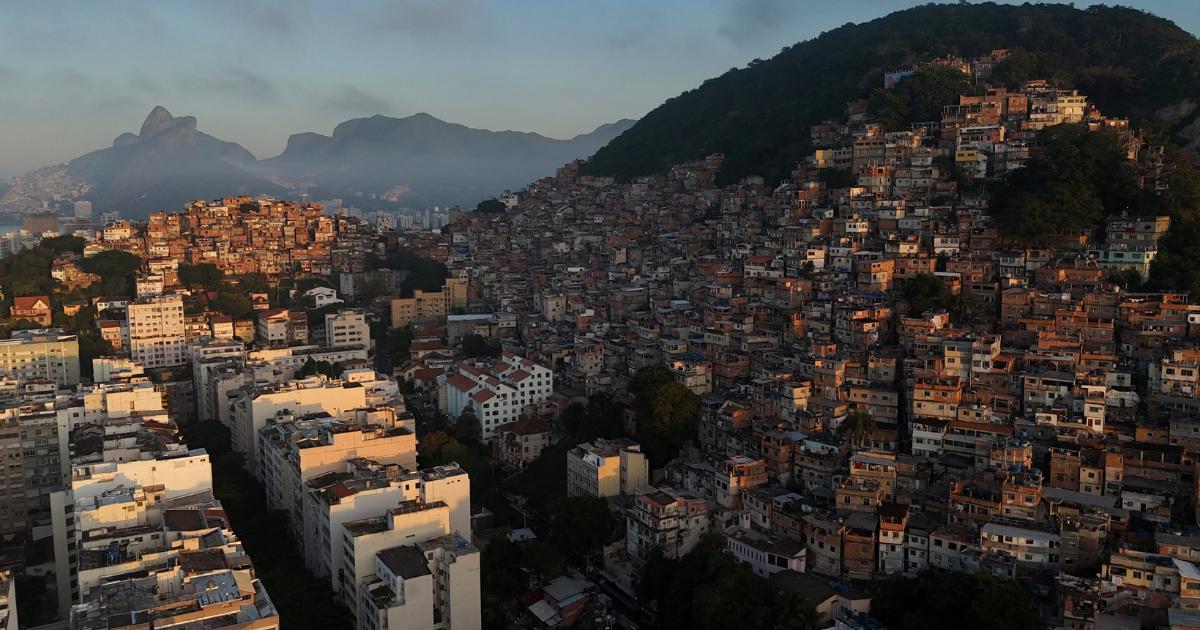
Rocinha spreads across a hillside with views of many of Rio’s best-known spots. Tours often begin at lookout points and move on to cultural spaces, including capoeira performances and local art studios. Some visitors even end their tour with a home-style Brazilian barbecue on a resident’s balcony.
Tourism experts say travelers are increasingly searching for authentic experiences. Caroline Martins de Melo Bottino, a tourism professor at Rio de Janeiro State University, says favelas offer exactly what many visitors want a closer look at real life in the city.
As tourism grows, new bars, viewing decks, and open homes have appeared. Some offer selfie spots or drone videos showing the favela from above. Influencers have helped fuel the trend, with viral videos bringing global attention to these neighborhoods.
Oliveira said his business grew quickly after he appeared in a popular YouTube video made by a Spanish traveler. Soon after, tourists from around the world began contacting him.
One of them was Paraguayan visitor Oscar Jara. He said online videos helped him feel comfortable visiting Rocinha. “It doesn’t feel staged,” he said. “You see things as they really are.”
The favela experience has even drawn famous faces. International pop star Rosalía visited Rocinha during her stay in Rio in late 2025 and was seen learning the popular passinho dance.
Local guide Cosme Felippsen, who works in both Rocinha and Morro da Providência, says favela tours are about much more than sightseeing.
“We want people to understand our history,” he said. “The story should be told by the people who live here.”